
Dangote Unveils Plan to Expand into Steel, Power, Ports
By Patience Ikpeme

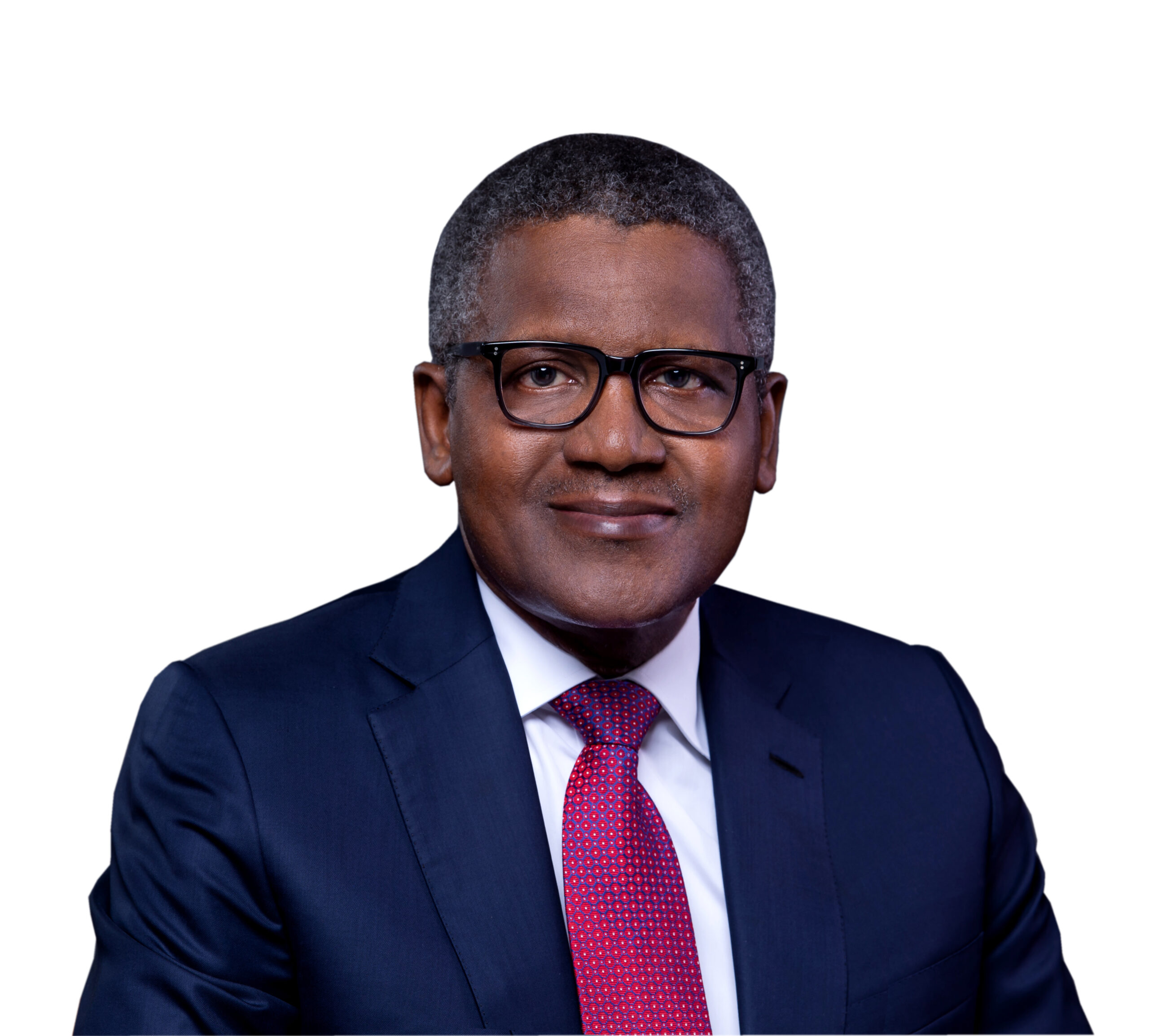
President of the Dangote Group, Aliko Dangote, has announced plans to expand the company’s operations into steel production, electricity generation and port development as part of a broader strategy aimed at accelerating industrialisation across Africa.
Dangote disclosed the plan during a recent interview with The New York Times, where he spoke about his long-term vision to deepen Africa’s manufacturing capacity and reduce dependence on imports.
The business leader, whose conglomerate already operates in sectors such as cement, sugar, salt, fertiliser and petrochemicals, said the next phase of the group’s growth would focus on building industries that support large-scale manufacturing and economic development.
According to him, Africa must move beyond exporting raw materials and focus on building strong industrial capacity that can compete globally.
“We have to industrialise Africa,” Dangote said, explaining that the next focus areas for the group include the steel industry, improved electricity supply and new port infrastructure to support manufacturing and trade.
The expansion plans come on the back of the group’s latest flagship investment, the Dangote Petroleum Refinery, which is now operational and producing refined petroleum products.
Dangote said the refinery currently produces about 650,000 barrels of refined products daily.
He added that the company is already working on expansion plans that could significantly increase output in the coming years.
“Output is expected to double within the next three years as expansion plans progress,” he said.
Dangote explained that while the refinery project has attracted global attention, it represents only one part of a much broader plan to transform industrial production in Africa.
According to him, developing industries such as steel manufacturing will be crucial for supporting infrastructure development, housing construction and heavy industry across the continent.
Industry analysts say entry into the steel sector would place the Dangote Group in a key area of economic activity because steel is widely used in construction, transportation and manufacturing.
Analysts also say that investments in electricity generation and port infrastructure could help address two of Nigeria’s major obstacles to economic growth, including unreliable power supply and logistical challenges in moving goods.
Dangote said his expansion strategy is inspired in part by the diversified industrial model developed by the Tata Group in India.
According to him, the Indian conglomerate’s presence in multiple sectors demonstrates how large-scale industrial investment can transform emerging economies.
Dangote said he believes Africa can achieve similar progress if local investors commit to building large industrial projects.
Beyond expansion into new sectors, he said job creation remains at the centre of the group’s long-term strategy.
With Nigeria’s population growing rapidly, Dangote said the country will need between 40 million and 50 million new jobs by the year 2030.
He argued that large-scale industrial projects are among the most effective ways of creating employment opportunities for young people entering the labour market.
The refinery project alone currently employs about 30,000 workers, with Nigerians accounting for roughly 80 per cent of the workforce.
Dangote said the group’s expansion into new industries could significantly increase employment levels across its operations.
According to him, total employment within the Dangote Group is expected to rise to about 65,000 as new projects come on stream.
Dangote also revealed that the company plans to list shares of the refinery on the Nigerian stock market, a move that would allow more Nigerians to invest in the project.
Listing the refinery would also broaden local participation in one of the largest industrial investments ever undertaken in the country.
Despite the progress made so far, Dangote acknowledged that challenges remain within Nigeria’s industrial environment.
He said infrastructure gaps and difficulties in securing a steady supply of crude oil have created operational challenges for the refinery.
Dangote has previously raised concerns about logistics bottlenecks and inefficiencies within the oil value chain that can complicate feedstock supply to refining facilities.
However, he said these challenges will not slow the group’s commitment to expanding industrial production across Africa.
According to him, the Dangote Group will continue to invest in sectors that help reduce import dependence and ensure that more economic value is created within the continent.
“Nobody dared to do it, so we did it,” Dangote said, referring to the scale of the refinery project and the determination required to complete it.
With cement plants already operating across several African countries and the refinery now reshaping Nigeria’s downstream oil sector, the group’s proposed expansion into steel, electricity generation and port development signals a new phase in Dangote’s ambition to build large-scale industrial capacity across Africa.