


SEC Unveils Framework for Banking Sector Capitalisation Programme
By Patience Ikpeme
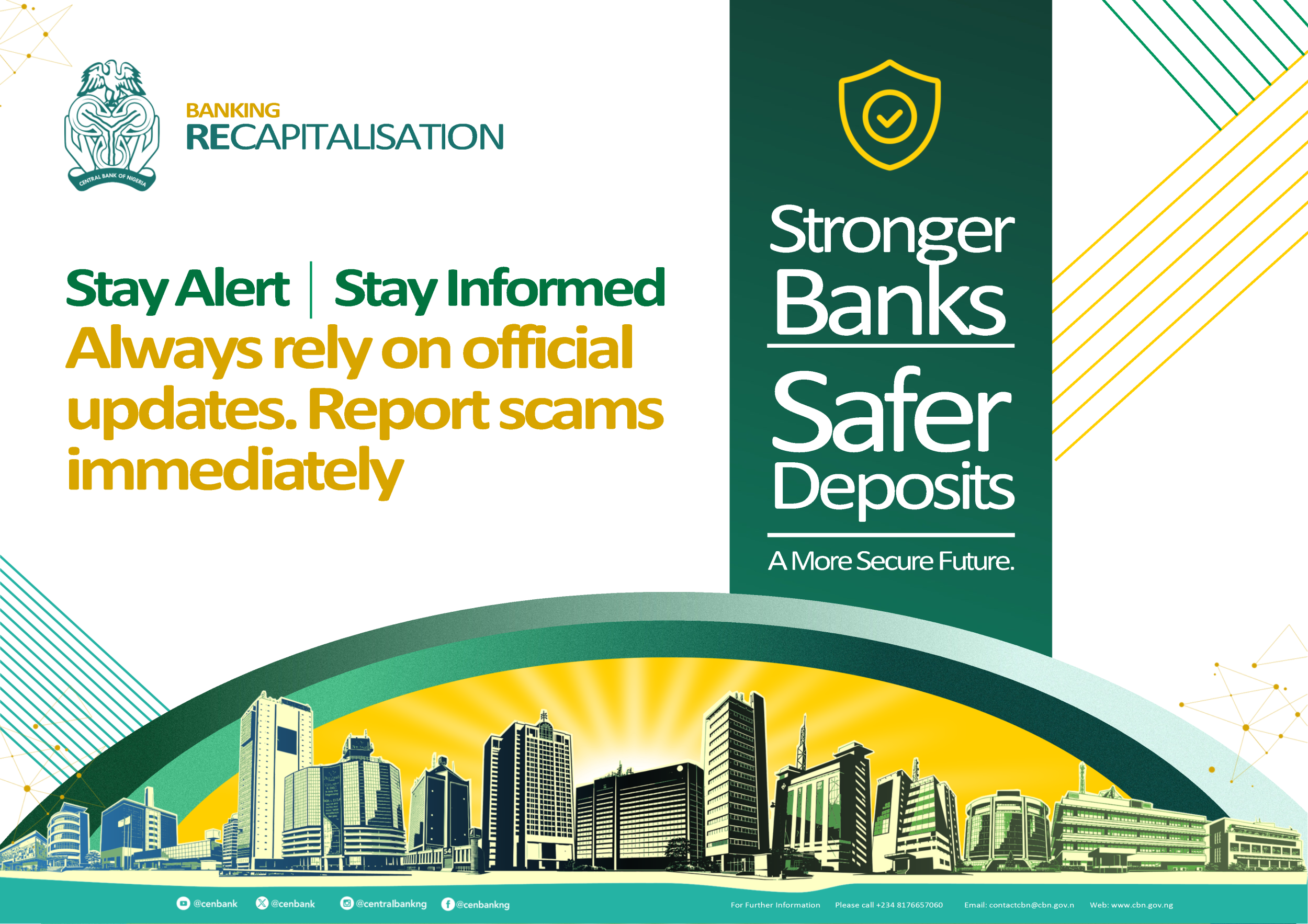
In an effort to bolster the Central Bank of Nigeria’s (CBN) recapitalisation initiative, the Securities and Exchange Commission (SEC) has unveiled its comprehensive Framework on Banking Sector Capitalisation Programme. This framework, now available on the SEC’s website, aims to guide banks, holding companies, and market participants through the recapitalisation process with clarity and efficiency.
The newly released framework is designed to ensure that capital raising activities are conducted transparently and efficiently, safeguarding the interests of all stakeholders. It provides detailed guidance for banks and holding companies, as well as capital market operators, on filing applications for capital raises and mergers and acquisitions.
A core aim is to ensure full disclosure of material facts in compliance with the Investments and Securities Act of 2007, SEC rules and regulations, and other relevant laws. The framework also seeks to facilitate proper and timely review of these transactions.
The SEC highlighted that the recapitalisation mandate stems from the prevailing macroeconomic challenges and headwinds caused by both external and domestic shocks. The CBN has required this programme to strengthen banks’ asset bases and support the federal government’s ambitious target of achieving a $1 trillion economy by 2030.
According to the SEC, “The capital market has a significant role to play in facilitating the recapitalisation programme as the banks are expected to leverage the market to raise the needed funds and/or engage in various forms of business combinations.”
As the regulatory authority overseeing the Nigerian capital market, the SEC is tasked with ensuring a smooth, transparent, and efficient capital raise process. The framework outlines the procedures banks must follow to raise capital through rights issuances, private placements, or other approved methods during the 2024-2026 recapitalisation period.
Applications and supporting documents are to be filed electronically via the email offerapplications@sec.gov.ng. The SEC will review these documents and communicate any deficiencies electronically. In cases where deficiencies are identified, the review timeline resets, and in the absence of deficiencies, approvals will be promptly granted and communicated.
The framework includes penalties for incomplete applications. If an application is returned due to incompleteness, a penalty of N1,000,000 and a re-filing fee of N100,000 will apply, payable by the issuing house without recourse to the issuer or the issue proceeds.
The SEC stated that the framework should be read in conjunction with the Investment and Securities Act of 2007 and the SEC’s rules and regulations. It also noted that the Commission might require additional documents or information as necessary. Banks and holding companies that have previously filed necessary documents with the SEC, such as Memoranda and Articles of Association or certificates of incorporation, need not refile these documents for subsequent transactions, provided they confirm no changes have occurred since the last filing.
Affected banks and holding companies must ensure their corporate information is up-to-date with the Corporate Affairs Commission (CAC) before filing an application with the SEC.
The CBN’s new capital requirements specify that international banks must raise their capital base to N500 billion, national banks to N200 billion, and regional banks to N50 billion. This directive underscores the critical need for the banking sector to enhance its financial stability and support the country’s economic growth goals.
For further inquiries or clarification, banks and stakeholders are encouraged to contact the SEC’s dedicated offer application email: offerapplications@sec.gov.ng.
The SEC’s framework represents a pivotal step in strengthening Nigeria’s banking sector, ensuring it is well-capitalised to meet future economic challenges and opportunities.