

RMAFC Initiates Review of Salaries for Political and Public Office Holders
By Patience Ikpeme

The Revenue Mobilisation Allocation and Fiscal Commission (RMAFC) has officially commenced the process of reviewing the remuneration packages for political and public office holders across Nigeria.
The initiative marks a significant step towards fulfilling one of RMAFC’s core mandates aimed at ensuring fair and sustainable pay structures in governance.
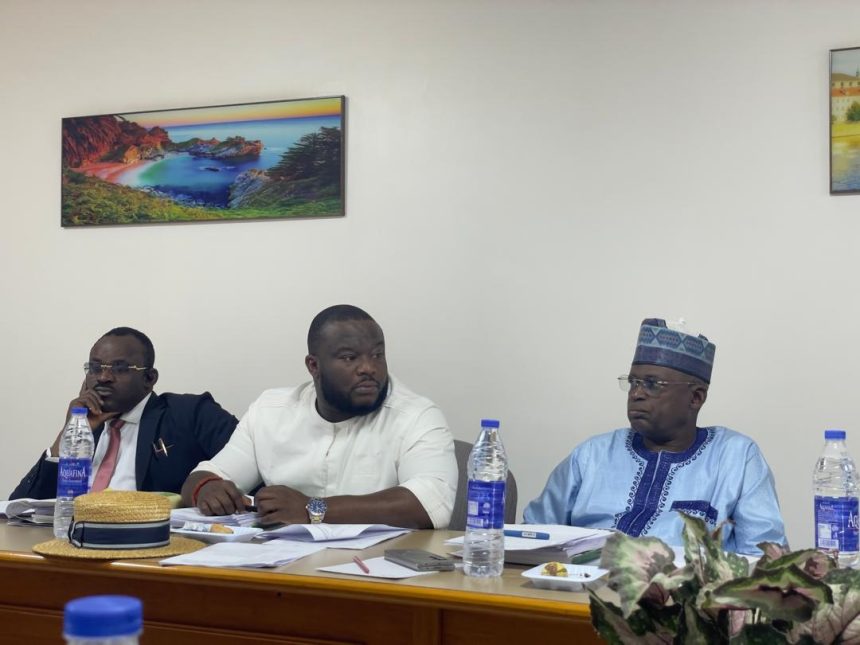
Prior to an official announcement, the Commission is conducting a strategic retreat in Kano to consolidate various reports ahead of finalizing and publishing the updated salary structure.
Opening the retreat, Hon. Mohammed Kabeer Usman, Chairman of the RMAFC Remuneration and Monetisation Committee and representative of Gombe State, emphasized the importance of this task in promoting stability and enhancing governance in Nigeria.
Usman noted that the Committee’s mandate is to merge previous reports with new submissions into a unified, comprehensive framework to guide implementation.
“The Commission has thoroughly reviewed diverse inputs, including memoranda from stakeholders, outcomes from public hearings, ministerial contributions, as well as economic indicators and remuneration standards from other countries,” he said.
He further stated that the review goes beyond adjusting numbers; it involves evaluating the long-term viability of the proposed changes. “The Commission also considered the government’s capacity to implement these recommendations, ensuring they are fair, practical, and sustainable,” he added.
Usman reminded attendees that the 1999 Constitution (as amended) empowers RMAFC to determine appropriate remuneration for political, public, and judicial office holders at all government levels.
He urged retreat participants to work towards balanced and beneficial outcomes for Nigeria’s governance. “I encourage everyone to actively contribute, leveraging our collective knowledge and experience, to fulfill the purpose of our meeting,” he said.
The retreat is expected to lay the groundwork for a framework that will guide future remuneration policies for political and public office holders nationwide.