
Presidential Committee Proposes Daily Disbursements from Federation Account
By Patience Ikpeme

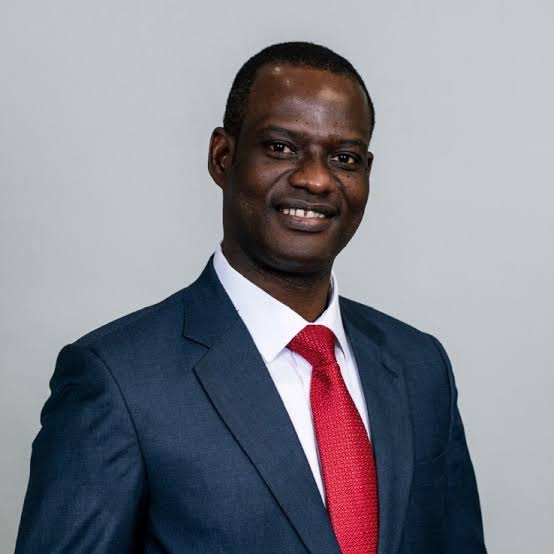
The Chairman of the Presidential Fiscal Policy and Tax Reform Committee, Mr. Taiwo Oyedele, has announced a groundbreaking proposal to change the disbursement process of the Federation Account Allocation Committee (FAAC).
Currently, FAAC meetings are held monthly, and disbursements to the three tiers of government are made thereafter. However, the committee suggests that disbursements should be done on a daily basis.
According to Mr. Oyedele, the traditional monthly disbursement model is outdated and reminiscent of a bygone era. The committee believes that the system can be reconfigured to credit the accounts of local governments, states, and the federal government every day.
This shift will transform FAAC meetings into national fiscal gatherings focused on discussing fiscal strategies, while the reconciliation of accounts can be handled by junior accountants. This will save time for commissioners and governors and address concerns about sudden increases in foreign exchange rates due to a surplus of funds.
In addition to proposing daily disbursements, the committee aims to reduce the cost of revenue collection to 1%, in line with international benchmarks. Currently, collection costs in Nigeria vary from 4% to over 30%. The committee emphasized that government agencies should focus on their primary mandates, and if they are not suited for tax collection, they should not be involved in it. By streamlining revenue collection, the committee believes that efficiency and competency will be enhanced.
Another significant issue addressed by the committee is the collection of Value Added Tax (VAT) and the attendant dispute between federal and state governments. Several states have taken the matter to court and have emerged victorious. To resolve this issue, the committee suggests a political rather than a legal solution. It recommends that VAT be placed under the exclusive list, ensuring centralized collection while allocating 90% of the revenue to the states. This proposal is expected to increase the percentage derivation that states receive.
Regarding corporate income tax (CIT), the committee plans to lower the rate from the current 30% to 25%. The reduction will be phased in over time, with a decrease to 27.5% in 2025 and a further reduction to 25% in 2026. This gradual approach aims to minimize the sudden drop in government revenue. The committee acknowledges the importance of proper planning and believes that overhauling tax laws should be done with careful consideration and adequate time frames.
The committee also expressed concerns about the yearly introduction of the finance act. While acknowledging its good intentions, the committee argues that the act has been “abused”, leading to investment losses. To rectify this, the committee suggests making the finance act a once-in-five-years conversation rather than an annual occurrence.
Furthermore, the committee addresses the issue of tax exemptions granted to companies by the Nigerian Investment Promotion Commission (NIPC). The committee assures that any exemptions granted before the enactment of new laws will be respected. However, fresh exemptions will not be available once the initial ones expire. The committee works closely with the NIPC and trusts that they will carry out their responsibilities diligently.
In conclusion, the committee is finalizing its proposals and engaging with stakeholders, including the Minister of Finance, state finance commissioners, and various governmental bodies. Mr. Oyedele stressed that every party will have the opportunity to agree or disagree before the final decisions are made. The committee aims to create the best possible solutions for Nigeria’s fiscal policy and tax reform, ensuring long-term benefits for the nation.