
No Going Back on Reforms, Oyedele Tells Investors
By Patience Ikpeme

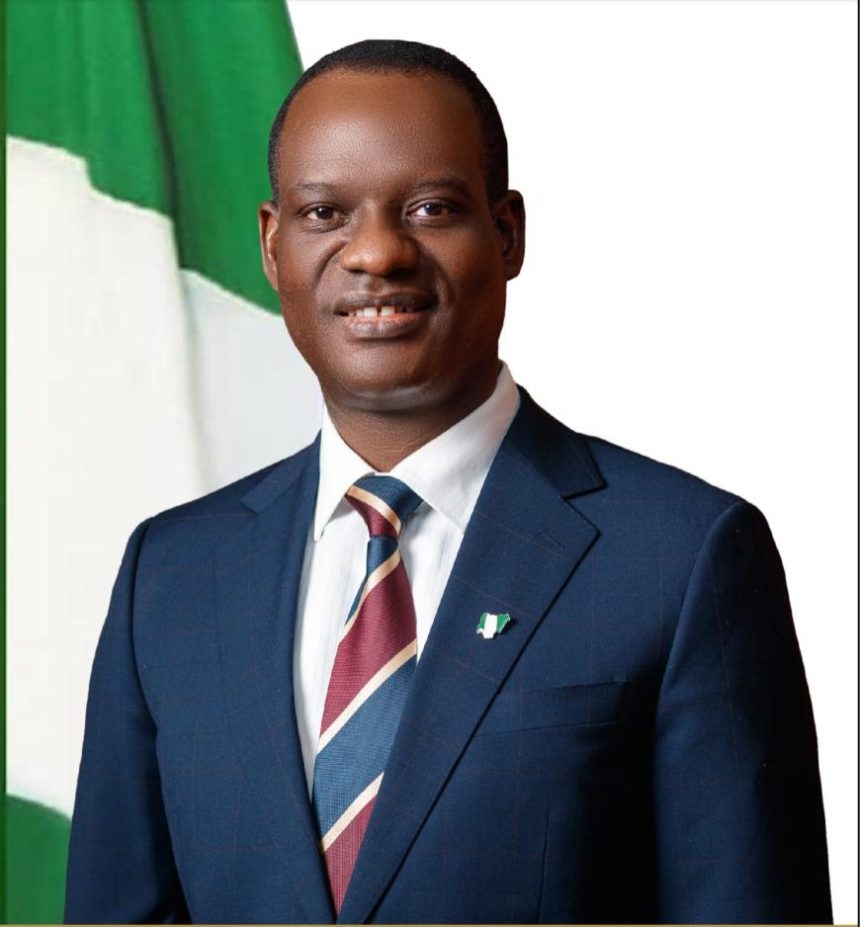
Nigeria’s Minister of Finance and Coordinating Minister of the Economy, Taiwo Oyedele, has assured the global and local investment community that the Federal Government will maintain its current economic trajectory, stating clearly that policy reversals are not on the table.
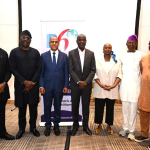
Speaking in Lagos on Thursday during the launch of the Nigerian Economic Summit Group (NESG) Private Sector Outlook 2026, the Minister made his first major public appearance just 48 hours after assuming office following the departure of Wale Edun from the Federal Executive Council.
He noted that the administration is now transitioning from a period of stabilization to one of measurable growth, where the success of government actions will be evaluated by their results rather than their intentions.
“We are not looking back,” Oyedele said, pointing out that maintaining a steady policy direction is vital for building investor confidence. He cautioned that sending mixed signals or making sudden changes to regulations could hinder national progress. “Businesses need to know that today’s decisions will still hold tomorrow,” he added.
The Minister observed that while there are initial signs of macroeconomic stability, such as a more aligned exchange rate and better revenue collection, these improvements must lead to concrete benefits. He stated that the government’s focus is to turn these gains into job creation, higher productivity, and improved living conditions for all Nigerians.
To attract more investment, the Minister listed four central priorities: maintaining policy consistency, ensuring predictability in fiscal and regulatory environments, lowering the cost of doing business, and widening access to capital. He explained that the government is currently working to increase credit availability across the economy, supporting everything from individual consumer loans to large-scale industrial financing through partners like the Bank of Industry.
According to the Minister, Nigeria must achieve stronger real GDP per capita growth to effectively reduce poverty, noting that small growth percentages are not enough to keep pace with the country’s growing population. He described the current phase of the economic journey as a decisive one where the primary challenge is no longer planning, but doing.
“Reforms on their own do not create growth. We need investment at scale,” he said. He remarked that investors are drawn to stable and predictable environments, not just government announcements.
On the subject of national output, the Minister said Nigeria needs to move away from growth driven by consumption and instead concentrate on becoming more competitive in sectors like agriculture, manufacturing, energy, and the digital economy. He suggested that public policy alone cannot fix the economy and called for a closer working relationship with the private sector.
As the country moves into what he described as a “consolidation phase,” the Minister said the government will continue to refine reforms, manage public finances more strictly, and ensure better cooperation between federal, state, and local governments.
While he admitted there are significant risks—such as reform fatigue, global inflation, and political tensions leading up to the election cycle—he expressed confidence that these obstacles can be overcome through discipline and teamwork.
“Our task now is execution,” Oyedele said. “This phase demands focus, consistency and accountability. That is the direction we are pursuing.”