Nigeria Tells UN: Africa Needs Cheaper, Fairer Access to Development Capital
By Patience Ikpeme

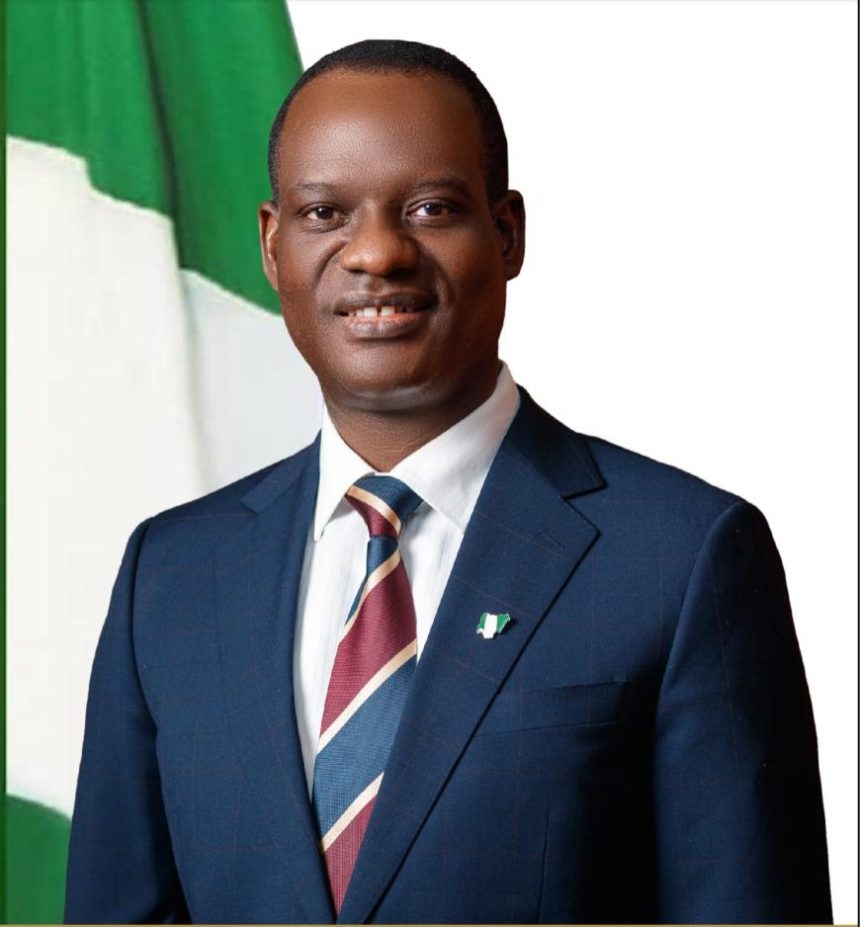
Nigeria’s Minister of Finance and Coordinating Minister of the Economy, Taiwo Oyedele, has called on the international community to make more affordable capital available to fund infrastructure and development projects across Africa, warning that the continent continues to pay far more than it should to raise money for critical needs like energy.
The Minister made the call while speaking at the United Nations Dialogue on Solutions to Climate Finance, held on the sidelines of the 81st Session of the United Nations General Assembly in New York. A statement issued by the Ministry of Finance on Wednesday, signed by the Head of Information and Public Relations, Mrs Efe Ovuakporie, gave details of his remarks.
According to the statement, Oyedele told the gathering that Africa’s development ambitions, particularly its efforts to expand access to energy, continue to be held back by high financing costs, the risk of currency depreciation, and limited access to long-term capital that African countries can afford to borrow. In simple terms, when African governments or companies try to raise money from international lenders to build power plants, roads or other infrastructure, they are often charged much higher interest rates than countries in other parts of the world, even when the actual risk of the project failing may not be significantly different. This makes it more expensive for African nations to finance the same kind of development that wealthier regions can access more cheaply.
One of the more striking points the Minister raised was around what he described as unfair treatment in global financial markets. Despite Africa contributing very little to the carbon emissions blamed for climate change worldwide, the continent still faces what he called a “prejudice premium” and a “narrative cost” when trying to raise financing for essential infrastructure. These terms point to a situation where African countries are charged more not necessarily because of their actual economic fundamentals, but because of how international investors perceive the region, often based on outdated assumptions or generalised risk ratings that do not reflect the real conditions on the ground in individual countries.
The Minister also spoke about currency risk, which refers to the danger that a country’s local currency could lose significant value against the dollar or other major currencies before a loan is repaid, making the debt more expensive in real terms than it was when first borrowed. Alongside this, he pointed to what he termed a “stereotype tax,” an additional and largely avoidable cost that African countries face when seeking capital for energy projects and other development assets, driven again by broad assumptions about the continent rather than the specific realities of individual economies or projects.
Given these challenges, Oyedele called for a change in how climate finance is structured and delivered to developing countries. Climate finance refers to money set aside globally, often by wealthier nations and international institutions, to help poorer countries adapt to the effects of climate change and transition toward cleaner sources of energy. The Minister argued that developing countries need simpler and more direct access to affordable capital, along with financing arrangements that better reflect the actual development realities these countries face, rather than one-size-fits-all terms designed around the circumstances of wealthier economies.
He also used the platform to press for greater global investment in gas and other transition energy sources, particularly on the African continent. Transition energy sources are fuels, such as natural gas, that are seen as a practical bridge between heavily polluting fuels like coal and fully renewable sources like solar or wind, which many developing countries are not yet able to rely on entirely due to cost and infrastructure limitations. According to the Minister, greater investment in these sources would help expand access to reliable and affordable electricity across Africa, where a large share of the population still lacks consistent power supply, a problem often referred to internationally as energy poverty.
Beyond the direct benefits to Africa, Oyedele suggested that increased investment in the continent’s energy sector would also serve a wider global purpose. He said it would help diversify the world’s energy supply and reduce what he called concentration risk, a term describing the danger of the global economy relying too heavily on energy production from any single region. He specifically pointed to ongoing disruptions affecting the Gulf region as an example of why spreading out global energy production, including through greater investment in Africa, would make the world’s overall energy supply more stable and less vulnerable to shocks in any one part of the globe.
At the same time, the Minister was careful to frame Africa’s energy transition in a way that accounts for the continent’s particular circumstances. He noted that any push toward cleaner energy must take into account the significant gap that still exists between how much energy African countries produce and how much their populations actually need, a gap often referred to as the energy-access deficit. In his view, addressing this deficit requires substantially more investment, allowing African countries to meet the basic development needs of their citizens while still working toward a cleaner energy future, rather than being forced to choose between economic growth and environmental responsibility.
Turning to Nigeria specifically, Oyedele said the country’s most immediate priority is to design and carry out policies and programmes capable of reducing poverty, expanding economic opportunities for citizens, and speeding up the spread of shared prosperity across the population. He said meeting these goals would depend heavily on stronger cooperation between Nigeria and the international community, along with a financing framework that genuinely enables developing countries like Nigeria to raise the capital needed to build infrastructure and improve everyday living conditions for their people.
Taken together, the Minister’s remarks in New York place Nigeria firmly among the voices pushing wealthier nations and global financial institutions to rethink how they price risk and structure lending to African countries. The argument, in essence, is that fairer and cheaper access to capital would not only benefit individual African economies but would also serve the broader global interest of a more balanced, resilient and diversified energy system.