

Nigeria Targets 10bn Cubic Feet of Gas Production by 2030
By Patience Ikpeme

The federal government has set an ambitious target to increase Nigeria’s gas production to 10 billion standard cubic feet per day (BSCFD) by 2030.
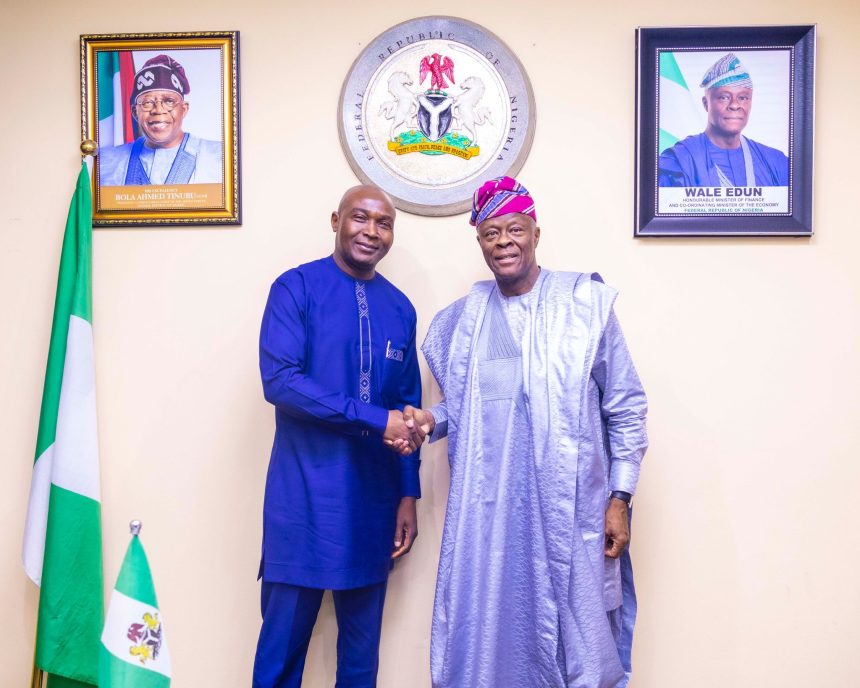
The Minister of Finance and Coordinating Minister of the Economy, Mr. Wale Edun, announced the goal on Thursday, citing recent agreements, including the deepwater deal with TotalEnergies, as an indicator of a more competitive and investor-friendly environment.
According to data from the Nigerian Upstream Petroleum Regulatory Commission (NUPRC), Nigeria’s gas production averaged 7.59 billion standard cubic feet per day in July 2025, which means a significant increase is needed to meet the new target.
The minister’s statement came during a strategic meeting with the management of Nigeria LNG Limited (NLNG) in Abuja. Edun said the current administration has stabilized the economy and created new opportunities in manufacturing and energy. “As we implement comprehensive tax reforms, your input will be vital in shaping a more attractive business landscape,” he told the NLNG management.
Edun also assured stakeholders that a new wave of reforms, including the rollout of digital trade systems, will streamline oversight, eliminate inefficiencies, and ensure fairness. “We want a transparent, technology-driven environment where investors can operate with confidence,” he stated.
The NLNG CEO, Dr. Philip Mshelbila, provided an update on the company’s operations, reporting stronger gas supply, improved security on the Trans-Niger pipeline, and a rise in capacity utilization to over 70%.
On the infrastructure front, Dr. Mshelbila spoke about the progress on the Bodo-Bonny Road, a key project for the company, and called for its extension to the East-West highway through the government’s tax credit scheme. The Bodo-Bonny Road is a 38-kilometer project that will connect the mainland of Rivers State to Bonny Island, where the NLNG plant is located.
The meeting, which brought together key players in the gas industry, was a critical step in Nigeria’s journey towards unlocking its energy potential and driving economic growth in line with the government’s “Renewed Hope Agenda.”