
Nigeria Seeks $500mn World Bank Credit to Expand Poverty Alleviation Programme
By Patience Ikpeme
State governments in Nigeria, working through the Federal Government, have requested an Additional Financing (AF) of $500 million from the World Bank.
This new funding is intended to strengthen the Nigeria Community Action for Resilience and Economic Stimulus (NG-CARES) Programme, empowering individuals and households to better withstand economic shocks that could otherwise lead to extreme poverty.
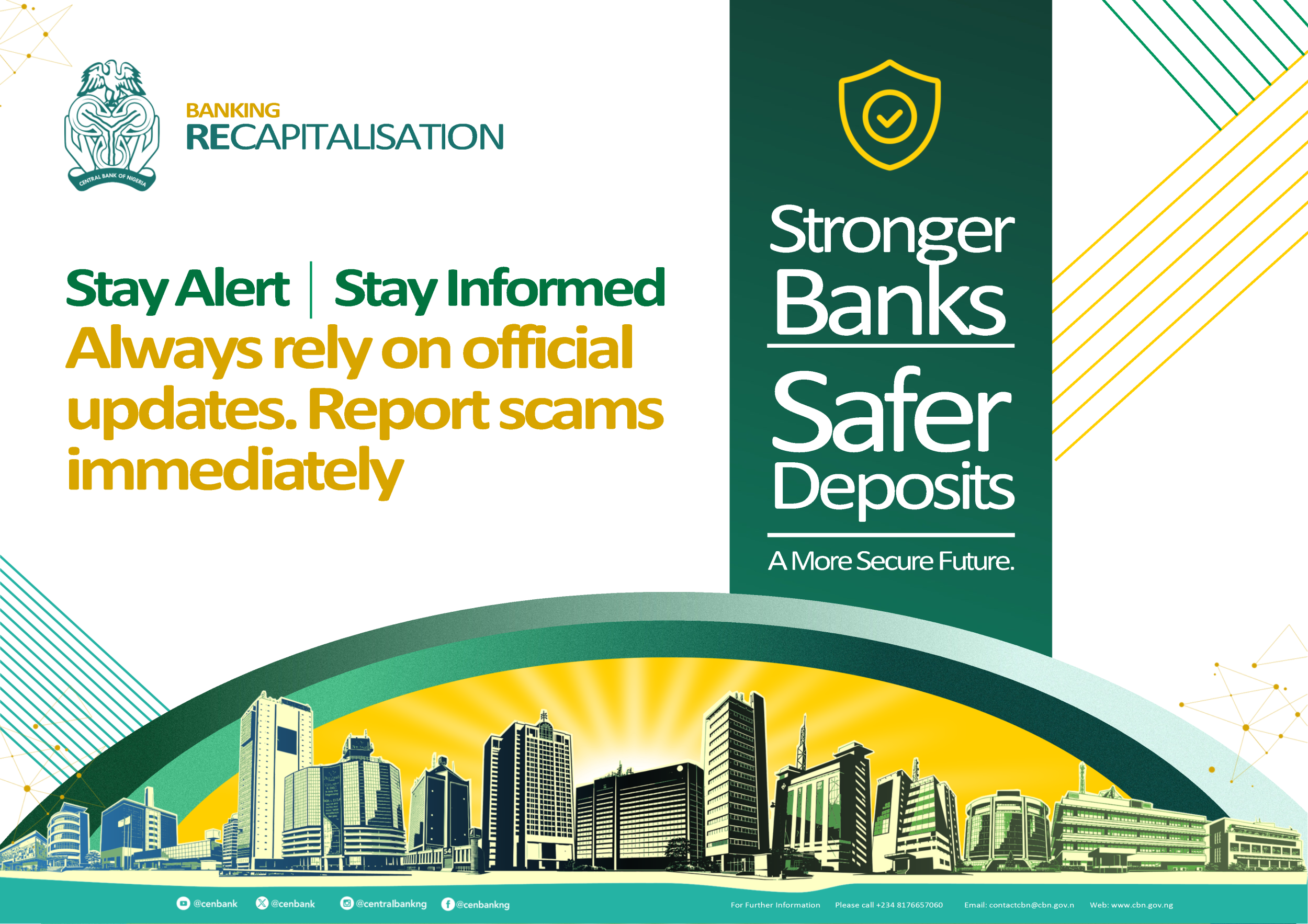
Senator Abubakar Bagudu, the Minister of Budget and Economic Planning, confirmed this development in Abuja during a stakeholders’ meeting for the NG-CARES Programme Additional Financing.
He stated that the World Bank Board and the Federal Executive Council have already approved the credit, with final approval from the National Assembly now awaited for its targeted activities.
Bagudu conveyed President Bola Tinubu’s firm commitment to restoring the livelihoods of impoverished and vulnerable Nigerians, a key objective within his administration’s Renewed Hope Agenda. The Minister explained that the President intends to support vulnerable populations by ensuring food security and aiding the recovery of micro and small enterprises (MSEs).
“President Bola Tinubu’s visionary leadership and Renewed Hope Agenda have created a favorable macroeconomic environment, leading to the proliferation of highly impactful programmes aimed at vulnerable and underprivileged groups,” he told the stakeholders, which included Commissioners of Finance, Budget, and Economic Planning from all 36 states and the Federal Capital Territory (FCT).
The NG-CARES program was initially designed to ease the adverse effects of various crises stemming from climate change, civil strife, natural disasters, and their resulting socio-economic impacts on vulnerable populations, particularly in the aftermath of the COVID-19 pandemic.
To implement the initial Nigeria COVID-19 Action Recovery and Economic Stimulus Programme (later renamed NG-CARES), the Federal Government secured a $750 million World Bank credit through the International Development Agency (IDA) on behalf of the States and FCT in June 2021. This facility has since assisted state governments in executing programs to prevent poverty and vulnerability among Nigerians while stimulating local economic growth.
As a “Programme for Results” (PforR), its implementation has delivered significant outcomes, directly benefiting over 16 million people across the states and the FCT.
The stakeholder meeting served to improve participants’ understanding of the design, approach, and institutional arrangements necessary for the successful implementation of the NG-CARES Additional Financing. “It will also foster collaboration and synergy among the Ministries of Finance and Budget & Planning at the subnational level,” Bagudu stated.
He explained that continuing the NG-CARES AF is crucial, given the intervention’s focus on aiding the poor and vulnerable, adding that, as Africa’s largest economy, Nigeria cannot afford to sustain high levels of poverty. “Therefore, sustaining the livelihoods of over 200 million people is crucial to everything we do,” he said.
Bagudu explained that the NG-CARES AF would progressively scale up the achievements of the existing program, foster stronger coordination between federal and state governments, strengthen service delivery platforms at all levels, and accelerate the implementation of programs to address the current crisis, among other benefits.
He assured stakeholders that the Tinubu administration will continue to ensure adequate quality assurance, monitoring, capacity-building, and oversight of program activities and results. The Federal Government, he promised, will provide coordinated institutional strengthening and technical support to the states through federal entities, ensuring proper program oversight, overall guidance, coordination, strategic direction, review, and support.