

CBN Pushes Financial Inclusion, Invites Public Feedback on Policies
By Patience Ikpeme
The Central Bank of Nigeria (CBN) has said that economic growth will mean little unless ordinary Nigerians, especially those who are poor or outside the banking system, can enjoy better access to financial services.
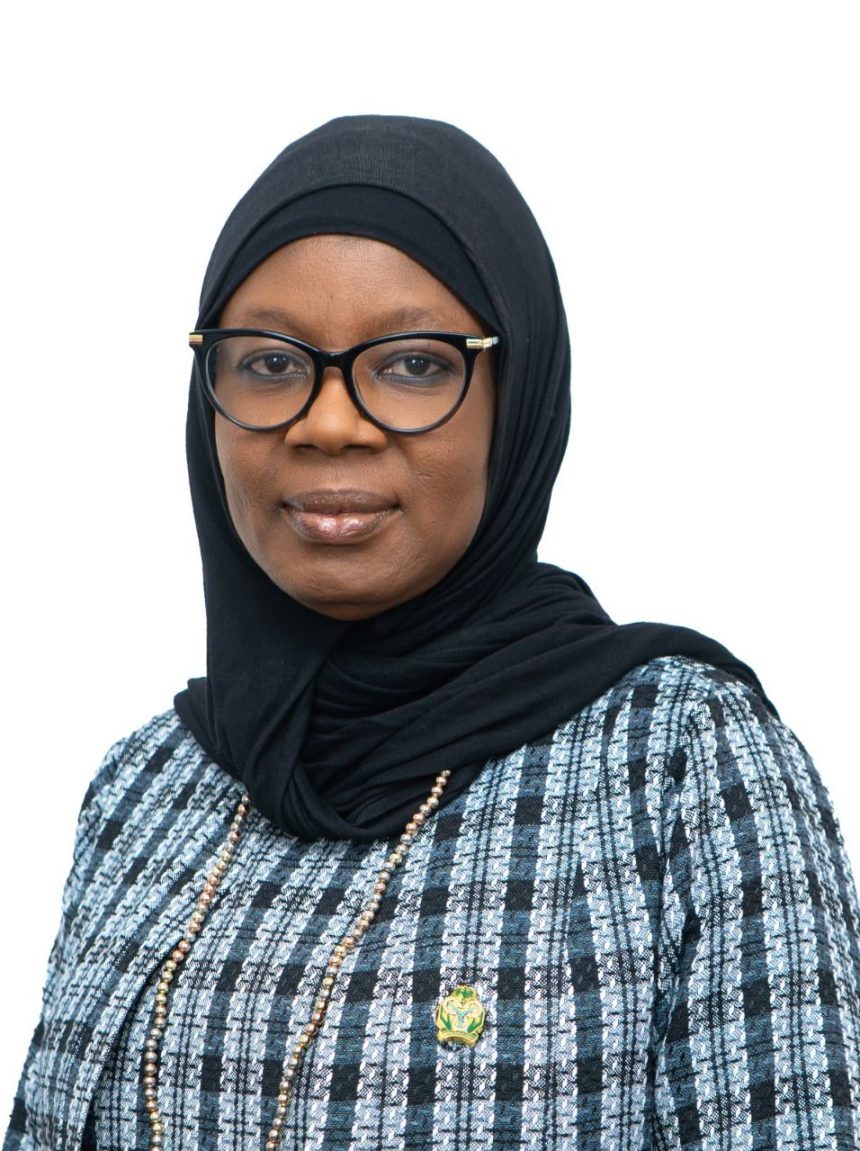
The Director of the Stakeholder Engagement and Institutional Relations Department, Mrs. Hakama Sidi Ali, said this on Thursday at the CBN Listens Programme in Ibadan, Oyo State. The event was held under the theme “Towards a Robust, Resilient and Inclusive Financial System for Sustainable Economic Growth.”
Mrs. Sidi Ali said sustainable growth must translate into more opportunities and easier access to financial services for all groups in society, particularly underserved and financially excluded people. She described financial inclusion as a key pillar of national development because it can encourage people to start businesses, reduce poverty, create more economic opportunities and spread prosperity.
She said the Bank would continue to work with financial institutions, financial technology companies, mobile money operators, development partners and state governments to bring financial services to communities that are poorly served or have no services at all.
Mrs. Sidi Ali described CBN Listens as one of the Bank’s main platforms for engaging the public. She said it is meant to encourage open conversation, help citizens understand the Bank’s policies better, and give individuals, businesses and institutions a chance to comment on issues affecting the financial system.
She said good policies cannot be made or carried out without regular contact with the people they affect. According to her, the Bank understands that public confidence, mutual understanding and cooperation between institutions are needed for it to do its job under the law.
She said the forum also allows the Bank to clear up wrong ideas about its policies, identify new problems, and learn from the experiences of people, businesses and communities affected by developments in the financial system.
The Director urged participants to speak frankly and constructively. She promised that their views and suggestions would help improve the Bank’s policies and future engagements. “The Central Bank of Nigeria values your diverse perspectives, experiences, concerns, and recommendations. Your contributions today will help shape future engagements and strengthen the effectiveness of our policy interventions,” she said.
Mrs. Sidi Ali said that under Governor Olayemi Cardoso, the CBN has continued to carry out wide-ranging reforms. She said these aim to restore stability in the economy, strengthen financial markets, improve openness, extend financial services to more people and build confidence in the Nigerian economy. In her words, the reforms are meant to make the financial system stronger and more competitive, and to lay a lasting foundation for growth, wealth creation and poverty reduction.
On the foreign exchange market, she pointed to the unification of exchange rates and the introduction of the Bloomberg BMatch trading system. She said these steps were taken to make foreign exchange dealings clearer, more efficient and more trusted.
She also described the successful end of the banking sector recapitalisation programme as a major achievement. She said it has made Nigerian banks stronger, better able to absorb shocks and more competitive, so they are in a better position to support economic growth and development.
Mrs. Sidi Ali said the Bank has set a 75 per cent Cash Reserve Ratio (CRR) on public sector deposits held outside the Treasury Single Account (TSA). The CRR is the share of deposits that banks must keep with the CBN instead of lending out. She said the measure is part of efforts to manage the amount of money in the system and reduce pressure on prices.
The Director also spoke about the Nigerian Overnight Financing Rate (NOFR), which the Bank developed with the Financial Markets Dealers Association. She explained that it provides a clear, market-based reference rate for short-term loans between financial institutions, and brings Nigeria’s money market in line with international best practice.
Other steps she mentioned include the Non-Resident Bank Verification Number (NRBVN), which is meant to make it easier for Nigerians living abroad to use banking services. She also mentioned the unveiling of the Nigeria Payments System Vision 2028, and measures to strengthen the management of money in the banking system and improve how the Bank’s decisions affect the wider economy.
Mrs. Sidi Ali said the Bank is determined to continue its reforms to keep the monetary and financial system stable, bring more people into the system, strengthen public trust and make Nigeria more competitive. She said she was optimistic that continued cooperation between the Bank and its stakeholders would help build a stronger financial system, widen economic opportunities and secure a more prosperous future for Nigerians.
The programme brought together representatives of the Oyo State Government, traditional rulers, community leaders, financial institutions, market and trade associations, professional bodies, academics, civil society organisations, the media and officials of the CBN.