

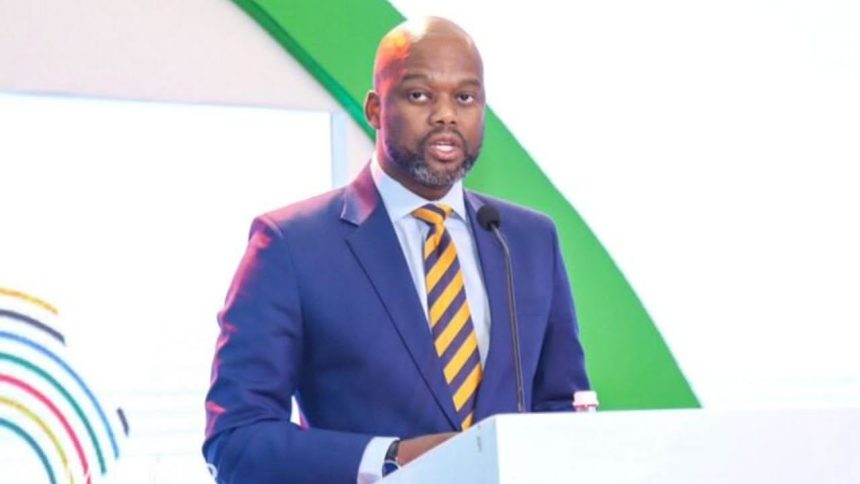
Africa Urged to Develop Digital Identity Infrastructure for Trade
By Patience Ikpeme

The Secretary General of the African Continental Free Trade Area (AfCFTA) Secretariat, Mr. Wamkele Mene, has called on African leaders to accelerate the development of a unified digital identity infrastructure.
Speaking at the 32nd Annual Meetings of Afreximbank in Abuja, he presented this as a vital catalyst for boosting cross-border trade, enhancing financial inclusion, and deepening regional integration.
Mene maintained that embracing digital solutions is key to unlocking Africa’s full economic potential. During a special session on the sidelines of the event, he explained that the free movement of people and goods remains a cornerstone for AfCFTA’s success, and digital tools must play a central role in achieving this goal by enabling seamless trade flows and reducing bureaucratic obstacles.
“We are not a supranational institution, but we are committed to removing barriers that hinder trade, particularly in sectors like pharmaceuticals,” Mene stated. He pointed to the need for a continental mechanism that allows products manufactured in one country to be accepted across all 54 member states without redundant regulatory checks.
The Secretary General went on to stress that regulatory harmonization is crucial for making intra-African trade both practical and cost-effective. He explained that inconsistent regulations currently create delays and increase costs in emerging sectors such as pharmaceuticals, agribusiness, and services. By aligning standards and regulations, Africa can unlock new opportunities for businesses and consumers, fostering a more integrated and competitive market.
A significant portion of Mene’s address focused on the continent’s efforts to build a robust digital backbone for trade. He issued a clear warning that digital commerce cannot thrive amidst fragmented regulations and weak infrastructure.
“Digital trade cannot happen in a digital pothole,” he remarked, noting feedback from investors who question why they should invest in Africa when countries like India offer a unified regulatory environment for digital infrastructure. This comparison, he conveyed, reveals the urgent need for Africa to establish a single set of rules governing digital public infrastructure.
One of the most promising innovations under development, Mene detailed, is a digital pass—a unified, continent-wide digital identity and transaction platform tailored specifically for small and informal businesses. This platform is designed to empower small enterprises by enabling them to open bank accounts, track business activities, access credit, and trade across borders with significantly reduced friction. Such a tool, he suggested, could revolutionize the informal sector, which constitutes a large part of Africa’s economy.
Mene drew parallels to India’s successful digital public infrastructure model, which has onboarded over 95% of its 1.4 billion population, leading to dramatic improvements in financial inclusion and digital commerce. He expressed confidence that Africa, with its similar demographic profile, can replicate and even surpass this achievement with the right investments and political will.
“We are seeing global tech companies showing real interest because regulatory burdens are being lifted,” Mene said, adding that the new framework is designed to welcome innovation, particularly benefiting informal traders and smallholder farmers.
The Secretary General also made reference to the recent launch of a partnership platform at the Afreximbank event, which is part of a broader effort to ensure that no one is left behind in Africa’s digital trade transformation. This initiative, he noted, reflects a commitment to inclusive growth, ensuring that all segments of society can participate in and benefit from the continent’s economic integration.
In closing, Mene reiterated that AfCFTA is more than just a legal framework; it is a collective project for Africa’s future. “It’s Africa’s group project and we must all show up, united in action,” he declared, calling on all stakeholders to collaborate in building a digitally connected and economically vibrant continent. His rallying message sets out a blueprint for Africa’s next phase of trade and development in the digital age.