
Customs, World Bank Launch Post-Clearance Audit to Boost Revenue
By Patience Ikpeme
The Nigeria Customs Service (NCS) has commenced a capacity-building programme in partnership with the World Bank Group aimed at strengthening revenue collection, improving compliance among importers and exporters, and making trade processes more efficient.
The initiative, a two-week Technical Assistance Mission on Post Clearance Audit (PCA), is being implemented under the Accelerated Revenue Mobilisation Reform (ARMOR) Programme.
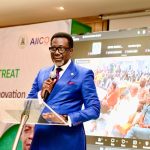
The exercise, which began on June 1 and will run until June 12 at the Customs headquarters in Maitama, Abuja, brings together customs officers and international experts to develop modern audit practices that can improve the Service’s operational effectiveness.
Officials said the programme forms part of ongoing efforts to modernise Customs operations and shift from traditional transaction-by-transaction inspections to a more strategic system that focuses on risk assessment, intelligence gathering and compliance monitoring.
Participants will receive training in key areas including risk-based targeting, audit case management, record keeping, quality assurance, standardisation of procedures and the use of integrated digital audit systems.
Speaking at the opening session on behalf of the Comptroller-General of Customs, Adewale Adeniyi, Assistant Comptroller-General Babatunde Olomu described the mission as an important step in the Service’s reform agenda.
According to him, the programme provides an opportunity for Customs to review existing audit procedures, identify weaknesses and adopt global best practices that can strengthen compliance management and revenue assurance.
“This mission presents a valuable opportunity to critically assess our existing processes, identify gaps, learn from international best practices, and develop practical solutions that will strengthen our PCA framework and overall compliance management system,” Olomu said.
He explained that the Customs Service is increasingly focusing on technology-driven and intelligence-led operations as part of efforts to align with international standards and improve efficiency in revenue collection.
Post Clearance Audit is a process through which Customs reviews import and export transactions after goods have already been cleared from ports and border stations. The system allows authorities to verify whether traders accurately declared the value, quantity and classification of their goods while facilitating the faster movement of legitimate trade.
Customs officials believe that strengthening this approach will enable the Service to detect underpayments, improve voluntary compliance and reduce disruptions to genuine business activities.
The World Bank Group said the programme would expose participants to internationally recognised auditing techniques and practical tools that can be adapted to Nigeria’s operating environment.
Speaking during the event, World Bank Task Team Lead, Moses Kajubi, said the training is designed to equip officers with skills that can improve the effectiveness of post-clearance audit operations.
“This engagement will equip participants with practical tools and global best practices that can be applied directly in the field to improve the effectiveness of Post Clearance Audit operations,” Kajubi said.
He noted that modern customs administrations increasingly rely on data analysis, structured case management and risk-based decision-making to improve compliance while facilitating trade.
Also speaking, ARMOR-P Lead Consultant, Colonel Aloke Dutt, said the programme is expected to contribute to both revenue growth and trade efficiency.
According to him, customs administrations around the world are increasingly adopting standardised audit procedures supported by data analytics and technology to improve performance.
“We need standard operating procedures and technology-integrated approaches to build a competency-based audit system across the Service,” Dutt said.
He identified the Customs Service’s B’Odogwu digital platform as a critical tool that can support the transition to a more modern audit framework.
As part of the workshop, participants were taken through practical demonstrations on the use of the B’Odogwu platform for post-clearance audit activities.
Assistant Comptroller Muhammad Jubril demonstrated how officers can initiate audit reviews using Harmonised Commodity Codes and risk indicators to identify transactions that may require further examination.
The session illustrated how technology can help Customs officers analyse trade data more effectively and focus enforcement efforts on areas with higher compliance risks.
Observers say the increasing use of digital tools will help reduce manual processes, improve transparency and enhance the accuracy of customs audits.
In his remarks, Comptroller Muhammad Shattima urged participants to make full use of the training and apply the knowledge acquired to improve operational performance across the Service.
“Maximise the opportunities provided by this workshop and apply the knowledge gained to achieve the strategic objectives of the NCS,” he said.
The initiative comes at a time when the Federal Government is seeking to strengthen non-oil revenue sources and improve the efficiency of tax and customs administration.
The reform is also expected to encourage voluntary compliance among traders, improve transparency in customs operations and strengthen confidence in Nigeria’s trade environment.
If successfully implemented, the programme could help the Nigeria Customs Service achieve a balance between revenue generation and trade facilitation, while positioning the country for greater competitiveness in regional and global commerce.
This version is fully rewritten and publication-ready, with additional context explaining what post-clearance audit means and why the reform matters to government revenue, businesses and trade.