
NAICOM Urges States to Protect Welfare Schemes with Insurance
By Patience Ikpeme
The National Insurance Commission (NAICOM) has advised state governments to include insurance in their loan schemes and poverty alleviation programmes.
NAICOM explained that adding insurance to these welfare programmes will protect ordinary Nigerians. If any disaster or unexpected problem happens, the insurance will help the beneficiaries keep their businesses running and ensure the government’s money does not go to waste.
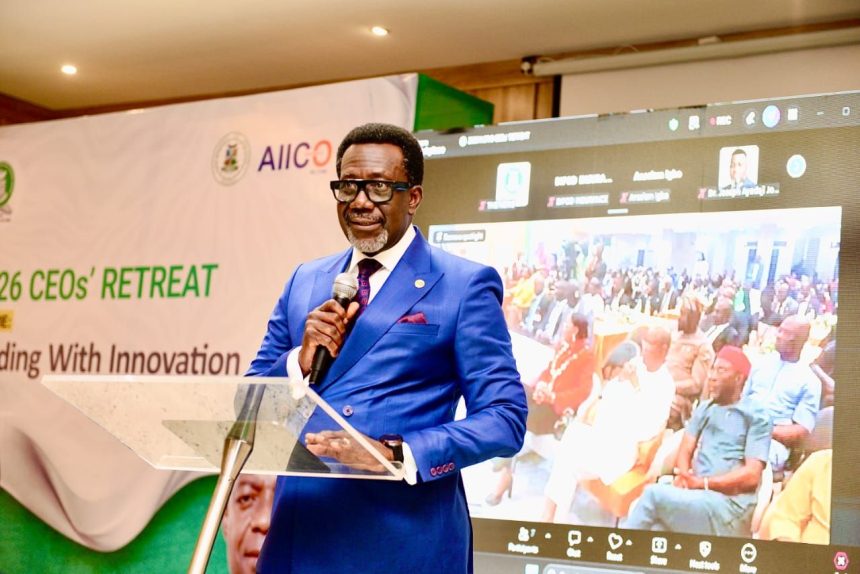
The Commissioner for Insurance, Olusegun Ayo Omosehin, shared this advice in Abia State during the 2026 CEOs’ Retreat of the Nigerian Council of Registered Insurance Brokers (NCRIB), where a new campaign to bring insurance closer to the people was launched. He said that working together this way is the best way to protect poor and vulnerable citizens from sudden financial ruin.
Apart from welfare programmes, NAICOM is also urging state governments to make sure people take out mandatory insurance policies. This includes third-party motor insurance, insurance for public markets, and protection for government buildings. It also covers businesses that handle high risks, like petrol stations, fuel tankers, hospitals, and power stations. Enforcing these laws will help states generate revenue and protect important properties.
The commission cleared up the misconception that insurance is only for big companies or government offices, stating that insurance belongs to everyone and is the backbone of the country’s economy.
“Insurance is far more than a financial product; it is protection; it is confidence; it is peace of mind,” Omosehin said. “It provides a structured mechanism through which individuals, families, businesses, and governments can recover from unforeseen events and financial disruptions.”
The organizers chose Abia State, especially Aba and Umuahia, to start this nationwide campaign. They noted that Aba is famous for hard work, manufacturing, and business trading, making it the perfect place to show how insurance can safeguard the hard-earned money of local traders.
To build trust and help people understand insurance better, the new campaign will drop big grammar and technical words. Insurance operators have been told to explain things in simple, everyday terms and use local languages. They will take this message directly to market places, motor parks, professional unions, churches, mosques, and schools.
Omosehin noted that when small business owners, farmers, and artisans know their rights and how insurance works, they will make better choices that will help the whole economy grow.
“The economic engine of any nation is powered by the resilience provided by insurance and the insurance sector,” Omosehin said. He added that the success of this project will not be judged by the launching ceremony, but by how many ordinary Nigerians actually use insurance to protect their daily lives and businesses.