
FG Adopts Cautious Strategy to Tackle Global Economic Pressures
By Patience Ikpeme
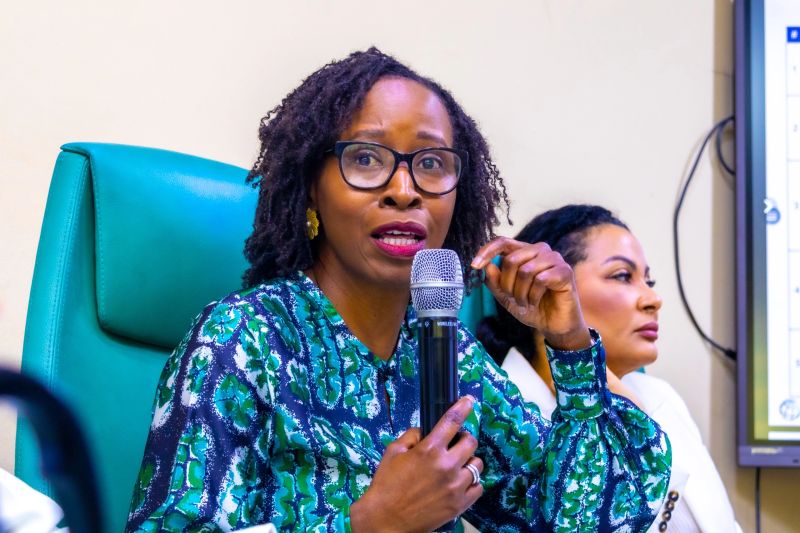
Nigeria’s Special Adviser to the President on Finance and the Economy, Sanyade Okoli, has said the Federal Government is adopting a cautious and disciplined approach to managing the country’s economy in response to growing global uncertainties, including the impact of the Middle East conflict on oil prices and inflation.
Speaking at a high-level regional forum hosted by J.P. Morgan in Lagos, Okoli explained that the government’s strategy is built on fiscal discipline, targeted interventions, and long-term economic resilience as Nigeria navigates inflationary pressures, energy market volatility, and ongoing structural reforms.
She said the administration is carefully assessing global developments through a scenario-based approach, noting that while rising oil prices may offer revenue opportunities, the government is prioritising stability over short-term gains.
“Our approach is scenario-based. We are cautious in responding to global shocks and we are not relying on temporary gains from higher oil prices,” she said.
Okoli noted that key reforms, including the removal of fuel subsidy and ongoing tax system changes, remain central to the government’s economic agenda.
On fuel subsidy, she said there is no plan to reverse the policy, adding that the government is instead focusing on measures that directly support vulnerable Nigerians.
“The fuel subsidy reform is firm. What we are doing now is focusing on targeted support measures to cushion the impact, rather than returning to broad subsidies,” she said.
She added that reducing inflation remains a major priority, with government interventions directed at lowering transport costs, strengthening social protection programmes, and boosting agricultural output.
“Inflation mitigation is a priority, particularly through interventions in transport, social protection, and agriculture,” Okoli stated.
She also pointed to ongoing fiscal reforms aimed at improving government revenue through expansion of the tax base, better compliance, and the use of digital systems.
According to her, institutions such as the National Tax Policy Implementation Committee and the Nigeria Revenue Service are playing key roles in strengthening transparency, coordination, and efficiency in revenue collection.
Okoli said these efforts are part of a broader plan to build a more stable and resilient economy that can attract investment and support long-term growth.
“The objective is clear: to stabilise the macroeconomy, protect vulnerable populations, and position Nigeria for sustained investment and long-term growth,” she said.
She added that with consistent reforms and strong policy coordination, the government is working to convert improved macroeconomic stability into increased investor confidence and lasting economic expansion.