
World Bank: FG Squandered ₦10trn on Subsidies in 2022
…FG Ends Fuel and FX Subsidies

By Patience Ikpeme
The World Bank has revealed that Nigeria’s federal government squandered ₦10.7 trillion in 2022 on fuel and foreign exchange (FX) subsidies, exacerbating the nation’s economic challenges.
In its latest report, the Bank urged the government to remain committed to its ongoing economic reforms, warning that any reversal of these policies would plunge the country into deeper crisis.
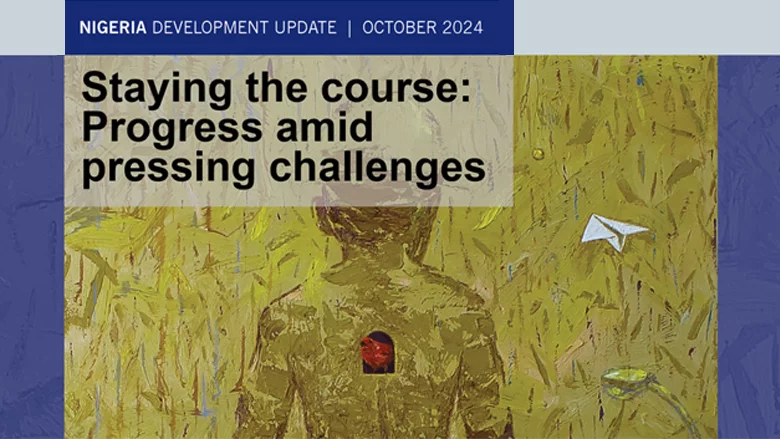
During the presentation of the Nigeria Development Update (NDU) in Abuja, World Bank Chief Economist for Nigeria, Dr. Alex Sienaert, highlighted the unsustainable nature of the subsidies. “The combined cost of these subsidies hit ₦10.7 trillion, or 5.3% of GDP, in 2022.
This was a major driver of Nigeria’s fiscal deterioration,” Sienaert noted. He explained that due to poor management of the exchange rate, the government lost ₦6 trillion in potential revenue from oil exports, taxes on imports, and customs duties.
World Bank Country Director, Dr. Ndiame Diop, also weighed in, underscoring the critical need to maintain reforms. He acknowledged that since the reforms began in May 2023, Nigeria’s fiscal health and foreign exchange reserves have improved.
However, Diop cautioned that inflation and the high cost of living remain ongoing challenges. “The reforms have prevented a fiscal crisis, but staying on course is crucial to stabilizing the economy and ensuring long-term growth,” Diop stated.
Diop further stressed the importance of empowering the private sector to create sustainable jobs, particularly for Nigeria’s youthful population. “Nigeria has a young demographic, and by 2034, 12 million more individuals will be entering the labor market. It’s essential to create jobs and opportunities to prevent this demographic advantage from becoming a burden,” he warned.
In response to the World Bank’s call, Minister of Finance and Coordinating Minister of the Economy, Mr. Wale Edun, confirmed the federal government’s complete and irreversible termination of fuel and FX subsidies. “Fuel and FX subsidies are now extinguished. These subsidies cost us over ₦10 trillion in 2022, about 5% of GDP,” Edun announced.
Edun explained that removing the subsidies frees up government resources for critical sectors such as education, housing, and infrastructure. “With market pricing of petrol and foreign exchange, the government at all levels now has more funds for development projects,” he added.
Looking ahead, the Minister outlined new government initiatives aimed at addressing unemployment through housing finance. The plan includes a mortgage scheme offering near-single-digit interest rates, which is expected to spur construction and create jobs. “We are going to roll out long-term mortgages—up to 25 years—at low interest rates to boost housing and job creation,” Edun said.
Meanwhile, Central Bank of Nigeria (CBN) Governor, Mr. Olayemi Cardoso, explained the recent 0.5% increase in the monetary policy rate, citing inflation concerns. He affirmed that future monetary policies would be based on data and evidence. “We are committed to making decisions based on the best available data,” Cardoso emphasized.
However, not everyone is optimistic. Bauchi State Governor, Bala Mohammed, raised concerns about inadequate funding from the Federation Account Allocation Committee (FAAC). “The monthly allocations are insufficient for states to develop infrastructure,” Mohammed stated, noting that many states struggle with wage obligations, especially in light of the new ₦70,000 minimum wage.
In the private sector, Amal Hassan, CEO of Outsource Global Limited, urged the government to create a more investor-friendly environment. She emphasized the need to mitigate risks to attract investors. “Despite Nigeria’s challenges, its talent pool is appealing to international businesses. The government must do more to foster investor confidence,” Hassan said.
As the government continues its reform agenda, all eyes will be on its ability to deliver sustainable growth, create jobs, and mitigate the impact of rising living costs. The World Bank remains optimistic but firm in its call for continued reforms to secure Nigeria’s economic future.