

RMAFC Begins Review to Fix Funding for Nigeria’s Embassies
By Patience Ikpeme
A high-level government team has started work on a lasting solution to the money troubles of Nigeria’s embassies and high commissions abroad, with a deadline of just over a month to say how the missions should be funded.
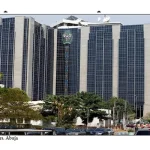
The Revenue Mobilisation, Allocation and Fiscal Commission (RMAFC) chaired the first meeting of the Presidential Technical Working Group on the Review of Funding Arrangements for Foreign Missions at its Abuja headquarters.
The meeting followed a directive from President Bola Ahmed Tinubu dated October 14, 2026, which ordered a full fiscal and technical review of how the missions are funded. The review is to be carried out with the relevant ministries, departments and agencies of the Federal Government.
The RMAFC Chairman, Dr. Mohammed Bello Shehu, led the meeting. According to a statement issued on Tuesday by the Commission’s Head of Information and Public Relations, Hajia Maryam Umar Yusuf, he thanked the President for stepping in and said Mr. Tinubu is determined to find a lasting answer. “Mr President is very passionate about this exercise,” he told members, adding that the President wants a plan that “can solve this problem once and for all.”
The group must submit its report, together with a programme of action, by December 11, 2026.
Dr. Shehu described Nigeria’s missions as “enduring symbols of our sovereignty.” He said they protect the welfare of Nigerians living abroad, build ties with other countries and international bodies, attract trade and investment, and present the country’s image to the world. He warned that this work should not suffer because the resources the missions depend on arrive unpredictably.
He said the Commission took up the matter after its officials visited missions in several countries and spoke with staff there. Those visits showed how shortages of funds affect the daily work of the missions and why a more dependable response is needed.
Explaining why RMAFC is involved, Dr. Shehu pointed to the 1999 Constitution (as amended), which allows the Commission to advise federal and state governments on fiscal efficiency and ways of raising revenue. He said the Commission does not wish to step on the toes of any other agency. “Rather, we seek to complement these responsibilities,” he said, by bringing together the financial, administrative and operational skills needed.
The RMAFC chairman told members not to assume that the answer lies only in giving the missions bigger budgets. The group, he said, must also look at whether money is released on time and in a predictable way, how budgets are prepared and carried out, how foreign exchange is handled, how spending is controlled, and how the most important diplomatic commitments are put first. He asked members to learn from other countries, but to propose only what fits Nigeria’s laws, constitution and institutions.
The chairman asked the group to assess current arrangements honestly, find out why funding keeps breaking down, compare alternatives and recommend a system that is open, predictable, affordable and sustainable, given the state of the country’s finances.
To keep the work credible, he set three rules. Conclusions must rest on reliable financial, budget and operational data. Every institution taking part must have a say, drawing on its own mandate and experience. And the recommendations must be practical, lawful and realistic about money.
Dr. Shehu said the exercise is not meant to find fault with any institution or to assign blame. He described it as a constructive effort to get government bodies working together and to build a funding arrangement that matches Nigeria’s international standing.
On the group’s first tasks, he listed agreeing its terms of reference, drawing up a work plan, deciding what documents and data to request from member agencies, and settling how to consult a wider range of stakeholders.
He said the final report must go further than describing problems. It must lay out and weigh the funding options, name the one the group prefers, and give a clear plan for carrying it out, including timelines, who is responsible for what, and any legal or administrative steps required.
He asked all agencies to give the work priority, share reliable information on time and support their representatives. RMAFC, he said, will provide the secretariat and technical support.
Dr. Shehu said he expects the combined experience of the members to produce a report for the President that is thorough, measured and realistic. Nigeria’s presence abroad, he added, cannot be sustained “by ceremony alone.” It depends on the ability to meet the country’s obligations, protect its staff, serve its citizens and deal confidently with foreign partners, while keeping spending disciplined and accountable.
The meeting marks the start of a joint effort by several government bodies to give Nigeria’s diplomatic missions a funding system that is open, accountable and responsible.