
No New Taxes on Fuel, Telecom Services — FG
By Patience Ikpeme
The Federal Government has told Nigerians to ignore spreading reports that it plans to introduce new taxes on phone calls, data, and fuel.
According to the government, the rumors are fake news that twisted a recent report written by the International Monetary Fund (IMF) about Nigeria’s economy.
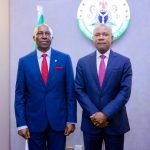
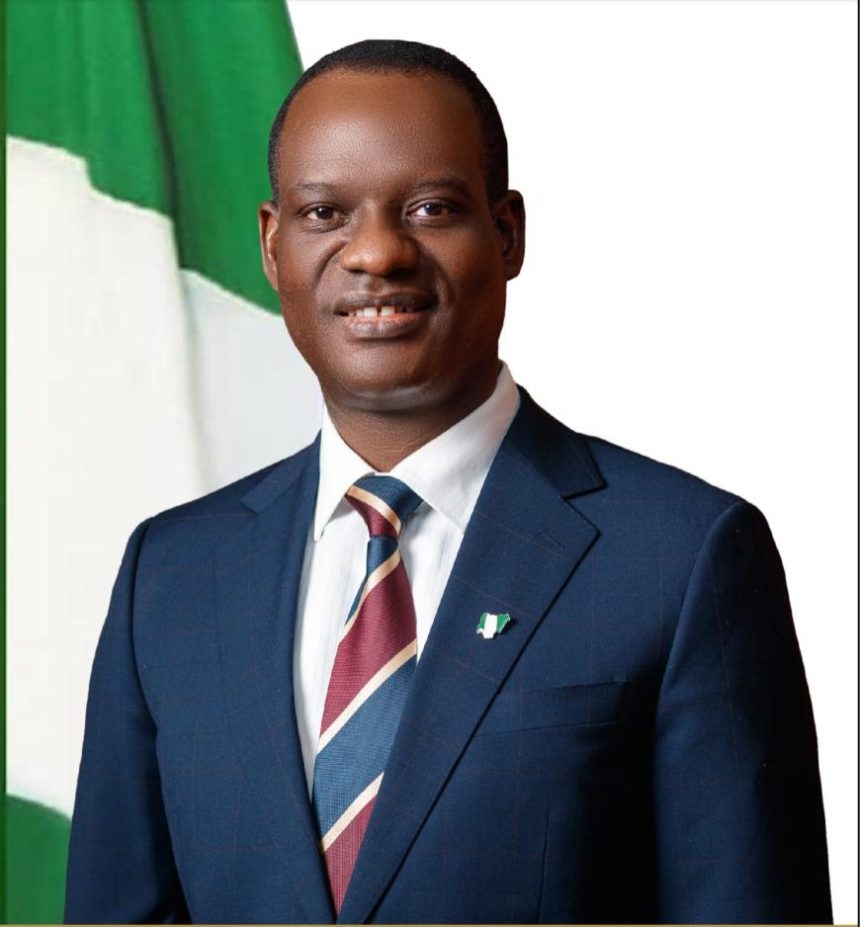
In a statement released on Wednesday in Abuja by Mrs. Efe Ovuakporie, the Head of the Information and Public Relations Unit at the Ministry of Finance, the government made it clear that it is not looking to put any fresh tax burdens on its citizens.
The finance ministry made it clear that the tax holidays previously given to petroleum products are still very much active to keep fuel prices from jumping higher. “The Value Added Tax (VAT) waiver on petroleum products remains in place and has not been withdrawn,” the statement said.
Addressing the rumors of an extra fuel charge, the ministry explained that while there is an old law that allows for a fuel surcharge, it cannot just happen overnight. It requires a direct order from the minister and must be officially published for everyone to see. The government stated plainly that no such process is on the table right now.
According to Mrs. Ovuakporie, keeping these taxes frozen is a deliberate move by the current administration to protect ordinary citizens and local companies from the harsh realities of the global energy market.
“The continued suspension of these charges has helped cushion the effect of global energy price fluctuations on households and businesses while keeping domestic fuel prices relatively stable,” she said.
The government also cleared the air regarding phone network taxes, reminding citizens that a controversial telecom tax introduced a few years ago is dead and buried.
“The telecommunications excise duty introduced before 2023 has been repealed under the new tax laws and is therefore no longer applicable,” Ovuakporie added.
Explaining how the confusion started, the Ministry of Finance said people mistook the advice given by the IMF for actual government decisions. The IMF regularly checks on countries and suggests ways they can manage their money, but the government stated that these suggestions are not laws and Nigeria does not have to follow them.
The statement explained that deciding who or what to tax follows strict laws and constitutional steps, which are always guided by what Nigeria needs and the current situation of the country.
The government stated that reports claiming new taxes are coming to the telecom and oil sectors are simply not true and the public should completely ignore them.
Instead of making life harder for Nigerians with new taxes, the finance ministry said the government is focusing its energy on growing the economy, stopping financial leakages, making government systems work better, and bringing in investments that will create jobs.
The ministry assured the public that if there are ever going to be any changes to the country’s taxes in the future, such decisions will follow the law and will be communicated directly to Nigerians through the proper official government channels.