

Nigeria Regains FTSE Russell Frontier Market Status
By Patience Ikpeme
In a major boost to the nation’s international financial standing, global index provider FTSE Russell confirmed that Nigeria’s capital market will be officially reclassified from “Unclassified” to “Frontier Market” status, effective from the start of trading on Monday, 21 September 2026.
The development represents a return to the international investment fold, coming nearly three years after the country’s exclusion in September 2023. At that time, acute foreign exchange illiquidity and severe challenges surrounding capital repatriation left the local bourse largely inaccessible to foreign institutional investors.
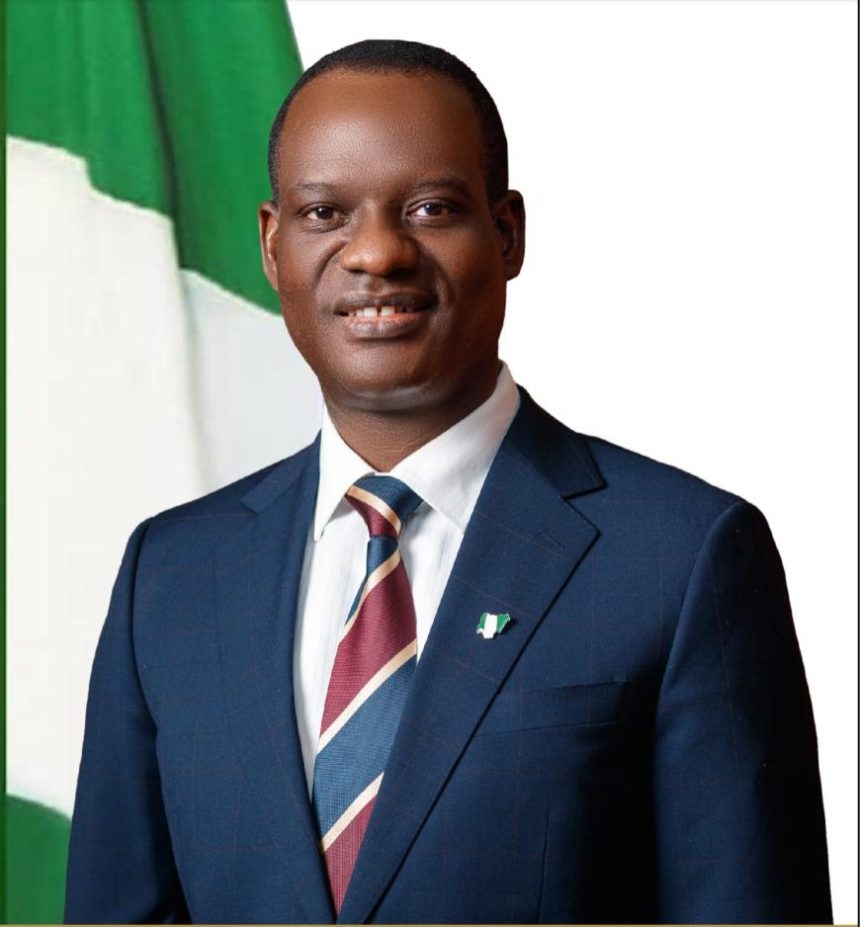
The Minister of Finance and Coordinating Minister of the Economy, Mr. Taiwo Oyedele, formally announced the welcome news in a statement released on Friday. He pointed out that the upgrade follows sustained, measurable structural enhancements in liquidity, foreign exchange execution, and international investor accessibility across Nigerian market channels.
“The decision marks Nigeria’s return to the global Frontier Market universe, nearly three years after its exclusion in September 2023, when persistent difficulties in capital repatriation and foreign exchange execution made the market inaccessible to international investors,” Oyedele said.
The Minister added that the upward reclassification stands as concrete proof of the current administration’s broader economic direction and policy adjustments.
“The reclassification is an important validation of Nigeria’s reform trajectory and a foundation for the next phase of the country’s capital market development. It is a meaningful signal to global capital that our market is open, orderly and improving,” he stated.
Reflecting on the collaborative journey that led to the decision, Oyedele stated that restoring international trust required sustained effort across both public and private sectors.
“It reflects years of disciplined work across government and the private sector to restore confidence in our economy. We see this as a milestone, not a destination. Our ambition remains to build a capital market that is deep, liquid and competitive enough to earn Emerging Market status in the near term,” he noted.
The Ministry of Finance expressed appreciation to key financial architecture regulatory bodies and institutional operators for driving the structural upgrades. Among those commended were the Securities and Exchange Commission, the Central Bank of Nigeria, the Nigerian Exchange Group, the Central Securities Clearing System, and the wider community of market operators.
“Their coordinated efforts spanning regulatory reform, market infrastructure modernisation and investor engagement have been central to restoring Nigeria’s standing among global index providers,” Oyedele said.
Looking to the future, the Federal Government pledged to maintain close collaboration with financial regulators and exchange institutions. The primary focus moving forward will be on deepening market liquidity, encouraging wider domestic and international participation, and strengthening systemic protections for investors.
The Ministry stated that it “will continue to support policies that enhance the depth, transparency and global competitiveness of Nigeria’s capital market as a key pillar of the nation’s economic transformation agenda.”