

Nigeria Issues N1.1trn Sovereign Sukuk to Fund Infrastructure Projects
By Patience Ikpeme

The Securities and Exchange Commission (SEC) of Nigeria has disclosed that the Federal Government has successfully issued N1.1 trillion worth of sovereign Sukuk bonds since 2017.
The proceeds from these issuances have been utilized to finance 124 federal road projects spanning over 5,820 kilometers across the country.
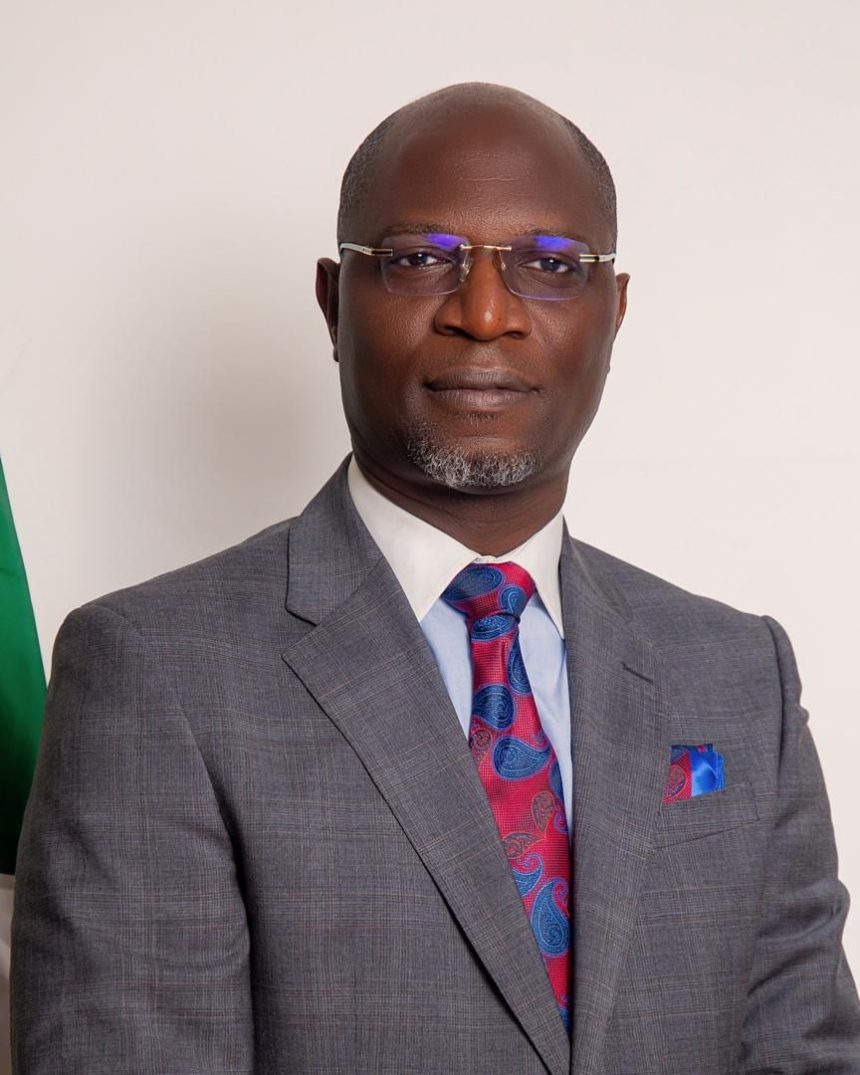
The SEC Director General, Dr. Emomotimi Agama who made this disclosure in Karachi, Pakistan, said these issuances have demonstrated the resilience and innovation of Islamic finance as a powerful tool for mobilizing resources.
Dr. Agama attributed the growth of Nigeria’s Islamic capital market to the increasing involvement of sub-national and corporate entities. States like Osun and Lagos, along with corporations such as Family Homes Ltd and TAJ Bank Plc, have successfully utilized Sukuk to finance various projects, including infrastructure development and bank capital.
The SEC has also fostered the growth of the Islamic mutual fund industry, with 14 Halal mutual funds currently operating in Nigeria. Additionally, the NGX Lotus Islamic Index and Nigeria’s first Islamic Real Estate Investment Trust (ChapelHill N-REIT) have further expanded investment opportunities in the sector.
Dr. Agama identified several factors driving the growth of Nigeria’s Islamic finance industry, including global economic diversification efforts, regulatory support, and increasing demand for Shariah-compliant products. He also noted the role of fintech innovations, such as the first Shariah-compliant robo-advisory firm, in expanding access to Islamic finance.
The SEC’s efforts to promote Islamic finance are aligned with Nigeria’s broader economic and social development goals. The Non-Interest Capital Market Master Plan (NICMMP) 2015-2025, which aims to increase the contribution of Islamic finance to the Nigerian capital market, has been instrumental in driving the sector’s growth.
While Nigeria’s Islamic finance sector has made significant progress, challenges such as limited public awareness, a lack of tradable instruments, and the need for greater regulatory alignment persist. To address these issues, the SEC is focusing on capacity building, stakeholder engagement, and the development of innovative Shariah-compliant products.
Dr. Agama urged domestic and international investors to capitalize on the opportunities presented by Nigeria’s Islamic finance sector. He emphasized the potential for strong returns and the alignment of Islamic finance with ethical and sustainable investment principles.


