
Nigeria Eyes Huge Financial Comeback as SEC Boss Pushes for Stable Policies
By Patience Ikpeme
Nigeria has been presented with its biggest chance in ten years to win back the trust of international investors and bring massive foreign money into the country’s economy.
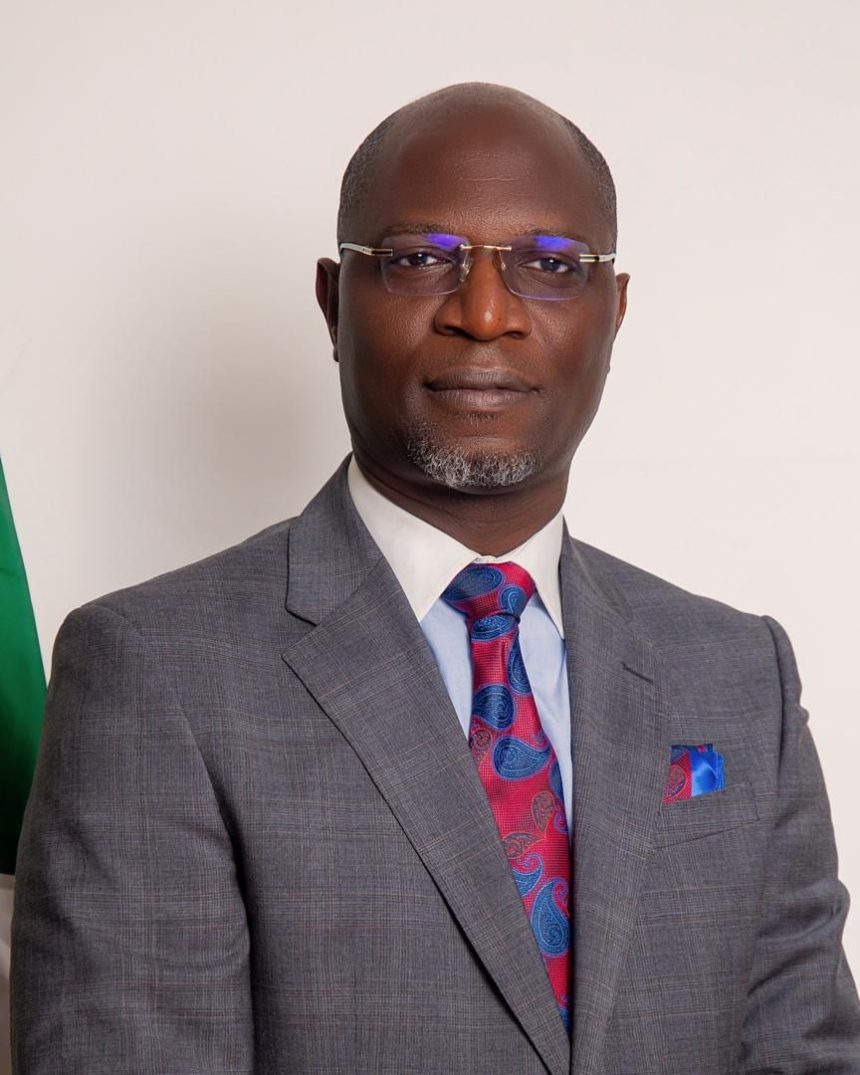
The Director-General of the Securities and Exchange Commission (SEC), Dr. Emomotimi Agama, made this known following a decision by S&P Dow Jones Indices to put Nigeria on its 2027 watchlist. The global agency is watching Nigeria closely to see if it qualifies to be upgraded from a “Standalone Market” to a “Frontier Market.”
Right now, Nigeria is labeled a Standalone Market, which is like being placed in financial isolation. This label is given to countries with severe economic issues, such as heavy restrictions on foreign money, making them too risky for major global investors. Upgrading to a Frontier Market means Nigeria would enter the league of developing economies that are safe, organized, and open enough for big foreign organizations to invest their funds.
Speaking on this development in a new strategy paper titled “Nigeria’s Path to Index Reclassification: A Unified Strategy on Policy Consistency and Operational Resilience,” Dr. Agama said the country has passed the stage of just planning changes. He noted that international observers are now watching to see if Nigeria will stick to its promises and keep its financial systems running smoothly without breaking down. “The reform programme is complete; the evidence programme now begins,” Dr. Agama said.
He explained that Nigeria needs to show that the laws already on the ground are working, instead of rushing to create new ones. According to the SEC boss, S&P Dow Jones has praised Nigeria for making its market cleaner and more transparent, but the global agency insists that Nigeria must maintain this good behavior for the rest of 2026 to get the upgrade.
Nigeria is also facing a similar test from another major global agency, FTSE Russell. This second review was sparked by Nigeria’s recent success in June 2026, when the country upgraded its trade settlement system to a fast “T+1” cycle. This means when people buy or sell shares, the money and shares are cleared in just one day, making Nigeria faster than many other developing nations.
However, the SEC boss handed down a strong warning to government agencies and policymakers. He stated that any sudden change in rules, unexpected government restrictions, or making it difficult for foreign investors to take their profits out of Nigeria in dollars could destroy the country’s chances of success.
To make sure Nigeria gets this right, Dr. Agama outlined five major things the country must do. First, the rules guiding foreign exchange must not change overnight. Second, laws must apply equally to everyone. Third, the government must avoid making sudden laws that affect past businesses. Fourth, the Central Bank, Ministry of Finance, and tax agencies must work hand-in-hand. Finally, the courts must handle investors’ cases quickly and fairly.
On the operational side, Nigeria must prove that its new one-day trading settlement works perfectly, dollars are easily available for investors to take home, and the computer systems used by the stock exchange do not crash when the market gets busy.
To prevent any mistakes, the SEC wants to set up a special team called the Index Reclassification Steering Committee. This team will include top officials from the SEC, the Central Bank of Nigeria (CBN), the Ministry of Finance, the Federal Inland Revenue Service (FIRS), and the heads of Nigeria’s major financial markets.
The SEC also plans to publish a scorecard every three months showing real facts and data about how well Nigeria’s markets are doing, which will be sent directly to global rating agencies. Furthermore, the commission will meet with international banks before the end of the third quarter of 2026 to fix any complaints before they report Nigeria to the global community.
According to the official timeline, the special committee will be set up and the first progress report will be released between July and September 2026. Final reports will be sent to the global agencies before the end of the year, with heavy monitoring continuing into 2027.
Dr. Agama stated that if Nigeria follows this plan faithfully, the country will secure the upgrade based on a clean, independent record of excellent performance, rather than just begging or lobbying.