

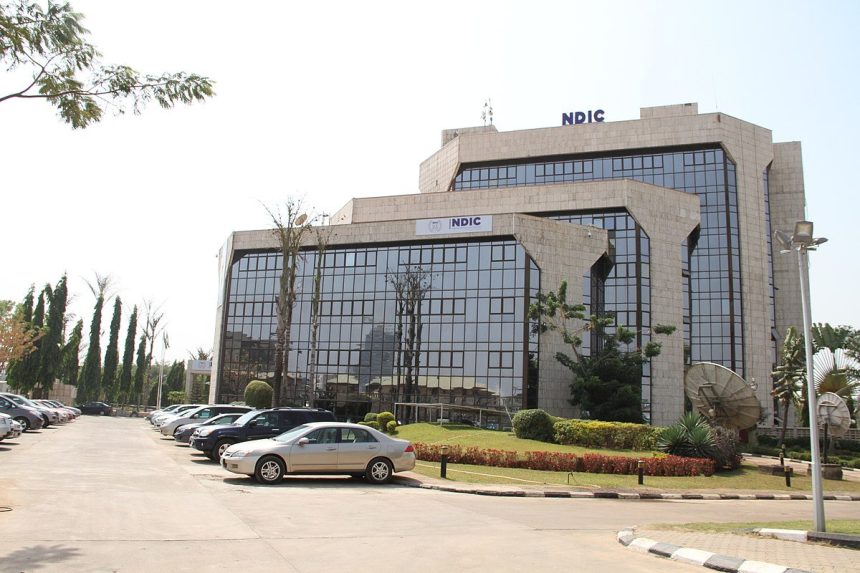
New NDIC Boss Pledges Stability and Enhanced Risk Management in Financial System
By Patience Ikpeme

Mr. Thompson Oludare Sunday, the newly appointed Managing Director and Chief Executive Officer of the Nigeria Deposit Insurance Corporation (NDIC), on Monday assured Nigerians that his administration will build upon the Corporation’s existing successes. He plans to refine current structures to ensure they are more effective and responsive to the evolving risks within the financial system.
Mr. Sunday made this commitment during the 2025 Stakeholders’ Retreat of the Senate Committee on Banking, Insurance, and Other Financial Institutions with the NDIC. The retreat, held at Zuma Rock Resort, Niger State, was themed “Legislative and Policy Support for a More Effective Deposit Insurance System.”
Speaking at the forum, Mr. Sunday acknowledged the robust foundation already established by previous NDIC leaderships. He pledged to leverage this legacy while introducing necessary innovations, particularly in the realm of risk management. “There is no invention or reinventing of a new wheel. If things are working, the only thing we can do is fine-tune and make sure they are better, and that is the promise that we give,” Mr. Sunday stated.
He specifically noted the need for a more robust risk management framework that accounts for developing challenges, including cybersecurity threats and operational vulnerabilities within the banking ecosystem. “We’ve had the charge around needing to review our risk management system. As things develop, especially cybersecurity, we need to be up and doing, and we would address those significantly. They are part of the vision that we have for the organisation,” the NDIC boss added.
In his opening remarks at the retreat, Senator Mukhail Adetokunbo, Chairman of the Senate Committee on Banking, Insurance, and Other Financial Institutions, commended the NDIC’s leadership for its professional management of the institution over the years, placing it among respected global peers. “I think that the leadership of NDIC has done well. They have managed the organisation very well. NDIC is respected in the committee of the International Association of Deposit Insurers (IADI),” Senator Adetokunbo observed.
He called on the new leadership to expand on the Corporation’s strong track record and rise to the challenge of addressing new and emerging risks in Nigeria’s financial landscape. “There is a need for us to rise up beyond the normal in handling the changes and risks of the banking sector you are saddled to oversee,” Senator Adetokunbo said.
He assured the NDIC of consistent legislative support in strengthening its mandate and operations, while also requesting reciprocal cooperation from the Corporation. “We will support you from the legislative point of view. We also need your cooperation and understanding. In all of this, honestly, we would be proud to be a part of NDIC,” he concluded.
Senator Adetokunbo also conveyed that the era of traditional banking risks is over, stressing the importance of preparing deposit insurance frameworks to respond to new threats such as cyberattacks and digital banking failures. “This is the era… beyond the normal challenges that banks ordinarily have, like having challenges around cyberattacks and all of that, and I’m sure it’s part of what you are going to build into managing the risks of the banking sector that you are also starting to oversee,” Senator Adetokunbo added.
Senator Victor Umeh, representing Anambra Central Senatorial District, spoke on the crucial role of the NDIC in protecting depositors from financial losses due to bank failures. He urged the Corporation to be more proactive in deploying early warning signals to detect insolvency risks in banks and act promptly to avoid a crisis of confidence.
“The major task ahead of you is to ensure nobody loses his money in the banks. Let them not lose their money and begin to look for ways to pay back,” Senator Umeh stated. He further conveyed that the most effective way to maintain public trust in the banking system is to prevent failures rather than merely reacting after damage has occurred.