
Jeffrey Sachs Urges Africa to Assert Monetary Sovereignty
By Patience Ikpeme

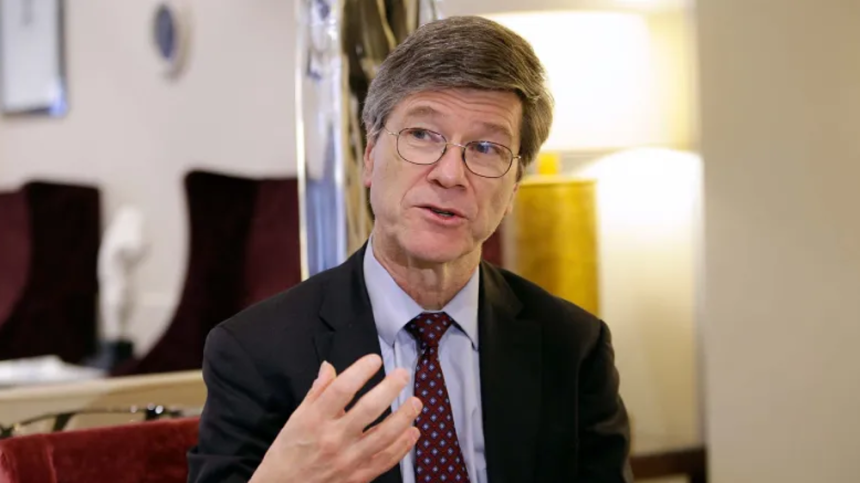
Renowned economist Professor Jeffrey Sachs has called on African nations to take decisive steps toward financial independence by establishing monetary sovereignty and forging new alliances beyond their traditional Western financial partners.
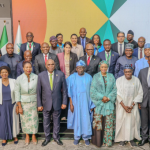
Speaking at the 32nd Annual Meetings of Afreximbank in Abuja, Sachs outlined a roadmap for accelerating Africa’s economic growth, built around reforming its financial architecture and rejecting policies that he believes have constrained the continent’s development.
At the heart of his address was a call for Africa to consider forming a monetary union, borrowing in its own currency, and setting up a continent-wide lender of last resort. Sachs argued that these steps would help insulate African economies from external financial shocks and reduce their dependence on institutions like the International Monetary Fund (IMF), which he described as slow to act and punitive in its lending terms. “The IMF waits until you’re nearly half dead before it offers help,” he said, characterizing the Fund’s support as reactive and inadequate.
Sachs was equally blunt about the role of the US Federal Reserve, noting that it does not provide currency swap lines or other measures that could protect African economies from rising US interest rates, despite extending such facilities to other regions. According to Sachs, this asymmetry leaves Africa exposed to the consequences of decisions made far beyond its borders.
Rejecting austerity as a credible path to growth, Sachs argued instead for a bold, expansionary financing strategy. He contended that Africa needs more debt, not less, to fund the infrastructure, education, and technological investments required to elevate the continent to high-income status by 2063—or even sooner.
Such debt, he argued, must be long-term, affordable, and structured to support sustained development rather than short-term fiscal targets. Sachs identified multilateral lenders like Afreximbank and the African Development Bank as central to this strategy and called for them to be granted preferred creditor status, which would allow them to play a stabilizing role during periods of economic stress.
Turning to the question of strategic partnerships, Sachs urged African leaders to broaden their vision and explore deeper economic relationships with emerging economies like India and China. In his view, these countries offer models for rapid development that align more closely with Africa’s current needs.
Sachs questioned why Gulf states should continue to direct massive investments into slow-growing markets like the United States instead of channeling capital into neighboring Africa, where the potential returns and developmental impact could be much greater. “The old partners are not partners,” he said, adding that Africa must now seek new relationships that better reflect its aspirations.
He also delivered a sharp critique of international credit rating agencies, accusing them of applying rigid, outdated models that fail to capture Africa’s true economic trajectory. He argued that these agencies impose arbitrary sovereign ceilings that limit the credit ratings of African firms based solely on their home countries’ ratings, regardless of their performance or growth prospects.
While acknowledging that these assessments can hurt African economies by making borrowing more expensive, Sachs stressed the need for African nations to demonstrate sound financial management and long-term vision to win investor confidence.
Looking beyond financing and partnerships, Sachs identified the African Continental Free Trade Area (AfCFTA) as a powerful lever for growth, but one that requires coordinated action and determined leadership. He urged the African Union Commission to play a stronger role in driving implementation to unlock the agreement’s full economic potential.
Drawing inspiration from Singapore, Sachs pointed to education as a transformative force, describing the city-state’s world-class educational system as a key driver of its economic success. He argued that Africa must make similar investments in education to equip its large and growing youth population with the skills needed for modern, competitive economies.
Sachs concluded on an optimistic note, predicting a period of very high growth for Africa over the next three decades. He attributed this outlook to the continent’s ability to reframe its financial strategies, build resilient partnerships, and fully harness its demographic and resource advantages. For Sachs, the challenge is not whether Africa can grow, but whether its leaders and institutions can act boldly enough to reshape its economic destiny.