

IFC, NSIA Pool $154m to Tackle Cancer in Nigeria
By Patience Ikpeme
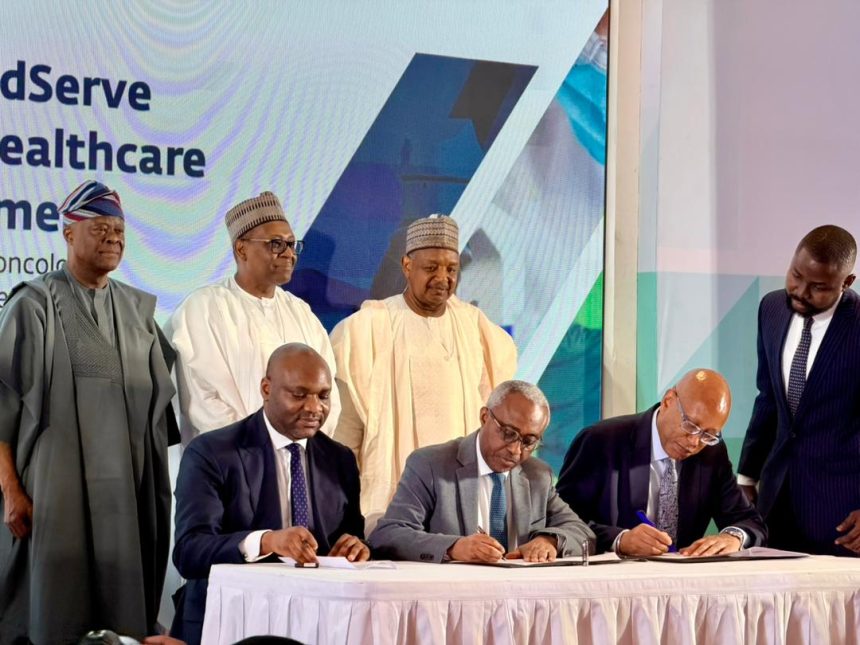
Relief is on the way for Nigerians battling cancer and heart diseases as the International Finance Corporation (IFC) and the Nigeria Sovereign Investment Authority (NSIA) have teamed up to invest $154.1 million into the country’s healthcare sector.
This massive project will see the construction of over 12 modern diagnostic and treatment centres across different states. The goal is to bring advanced medical care closer to communities that have struggled to find quality help in the past.
A key part of this deal is that the IFC, which is part of the World Bank Group, is providing ₦14.2 billion ($24.5 million) of its share in Naira. This move is designed to protect the project from the risks of changing dollar exchange rates, making it easier for the medical centres to stay operational and affordable for Nigerians.
Beyond building hospitals, the partnership will create 800 direct jobs and provide specialized training for more than 500 Nigerian healthcare workers in cancer and heart care.
The funds will go to MedServe, a healthcare company owned by the NSIA. MedServe plans to use the money to set up centers equipped with the latest technology, including MRI and CT scanners, digital labs, and advanced machines for treating cancer and heart conditions.
Knowing that the cost of healthcare is a big worry for many, the partners stated that the pricing at these new centres will be set with local income levels in mind. This is to ensure that even low-income patients can get the life-saving treatment they need without being charged more than they can afford.
The Managing Director and CEO of NSIA, Aminu Umar-Sadiq, described the partnership as a major step forward for the country.
“This partnership with IFC represents a significant milestone in NSIA’s commitment to strengthening Nigeria’s healthcare ecosystem through sustainable, locally anchored investment solutions,” Umar-Sadiq said.
He added that by using Naira-based financing, the project is filling critical gaps in medical infrastructure while making sure quality care is available to communities that have been left behind.
On his part, the IFC Vice President for Africa, Ethiopis Tafara, said that Nigeria’s effort to tackle rising cases of serious illnesses is a great opportunity to bring in private money to help the public.
“Nigeria’s focus on addressing the rising prevalence of non‑communicable diseases presents a significant opportunity to deploy innovative financing mechanisms capable of mobilizing private capital at scale, while ensuring equitable access to quality care,” Tafara said.
The project is already moving forward, with construction expected to continue through 2026. If all goes as planned, the first set of these new medical facilities will open their doors to the public in the second half of 2026.


