
FIRS Chairman Seeks Collaboration for Success of New Tax Laws
By Patience Ikpeme

The Chairman of the Federal Inland Revenue Service (FIRS), Zacc Adedeji, has stated that cooperation and collaboration among taxpayers, state and local governments, and key stakeholders are critical to the successful implementation of new tax laws.
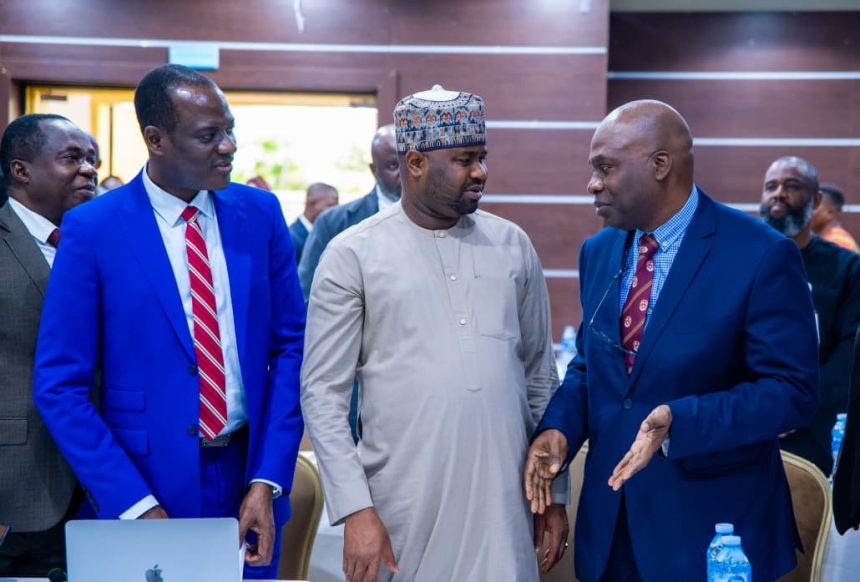
Adedeji, who spoke at a special engagement session for directors in Abuja, noted that FIRS, which is transitioning to the Nigeria Revenue Service (NRS), cannot achieve the desired outcomes in isolation.
According to a statement from Dare Adekanmbi, Special Adviser on Media to the FIRS Chairman, the session also featured remarks from Mr. Taiwo Oyedele, Chairman of the Presidential Fiscal Policy and Tax Reforms Committee.
Adedeji expressed the readiness of the tax agency to operate as a partner in development, working with all critical stakeholders to ensure that laws and tax policies are implemented fairly and transparently.
He stated, “Our collective posture should be one of readiness to listen, adapt and deliver…A key pillar of the reforms is capacity building. The demands of modern tax administration, from digitalisation, to data-driven compliance, cross-border taxation, and specialised industries, require new skills and approaches.”
The chairman promised to ensure the agency invests in “training, technology, and systems that enhance efficiency, reduce compliance costs, and strengthen trust in the system.” He also added that as directors, they will lead the charge in equipping officers with the knowledge, tools, and confidence to implement the law effectively.
Mr. Oyedele, in his opening remarks, noted that the country’s economic outlook has improved significantly since the current administration took office, with the gains of the reforms already yielding positive macro results.
He stated that the country’s balance of trade has moved from a deficit to a surplus, and it has stopped printing money to meet its financial needs. He added that the administration has cleared unmet foreign exchange backlog and improved external reserves by $23 billion in just two years.
However, Oyedele stated that while the macro-economic results are positive, greater efforts must be made to ensure they translate to a reduction in poverty and lead to job creation for the citizens.