

FG’s New Strategies for Internally Displaced and Refugee Management
By Patience Ikpeme

The Federal Government has announced its plans to adopt new strategies in addressing the challenge of Internally Displaced Persons (IDPs) and refugee management in the country.
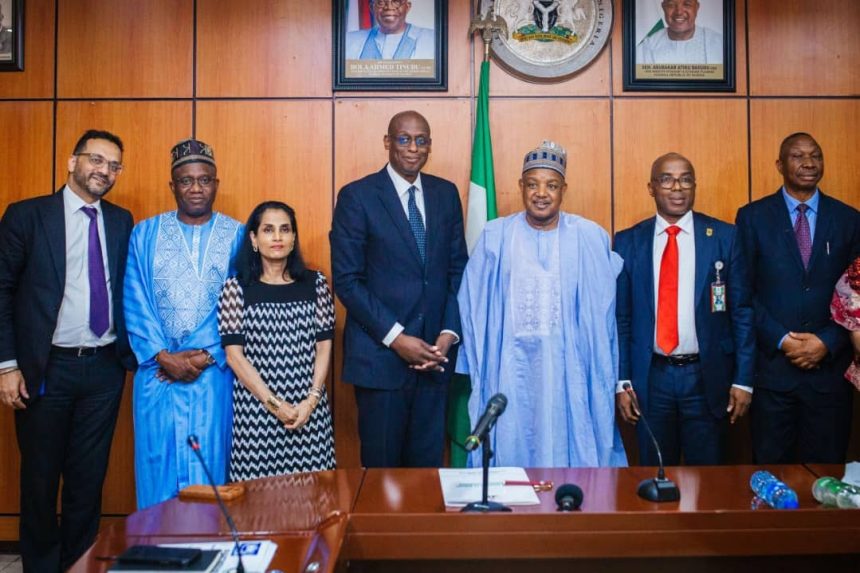
The Minister of Budget and Economic Planning, Senator Abubakar Atiku Bagudu, made this announcement during a meeting with a delegation from the United Nations High Commission for Refugees (UNHCR) led by Mr Raouf Mazou, the Assistant High Commissioner (Operations), in Abuja on Thursday.
Senator Bagudu stated that the the government’s approach will involve enhancing its role in coordinating financing and planning efforts across Federal, State, and Local governments in Nigeria. This initiative will align with Nigeria’s federal structure and address critical issues related to internal displacement and refugee management.
The Minister specifically highlighted the importance of engaging with development partners, particularly the UNHCR and other UN agencies, which have played a crucial role in supporting Nigeria’s initiatives thus far. He expressed his gratitude for their support, emphasizing the challenges faced by Nigeria in managing internal displacement, heightened by regional conflicts and climate change.
Highlighting Nigeria’s culture and history of compassionate support for those in need, Senator Bagudu underscored the country’s commitment to managing displacement and migration challenges. He noted that resource limitations and environmental factors have made the situation increasingly pressing, necessitating a strong response from the government.
Bagudu also emphasized Nigeria’s historical involvement in regional peacekeeping and its current contributions to conflict resolution, pointing to ongoing efforts to support displaced persons and refugees within Nigeria and from neighboring countries. He acknowledged the importance of addressing displacement issues through equitable access to capital and increased investment and resources.
Furthermore, the Minister acknowledged the unique challenges Nigeria faces regarding cross-border migration and resource distribution, particularly in the Sahel region. The Ministry is dedicated to addressing these challenges through cooperation with international partners and supporting initiatives that aim to mitigate the drivers of displacement.
During the meeting, Mr Raouf Mazou, the Assistant High Commissioner for Operations for UNHCR, emphasized the need to shift from short-term humanitarian responses to long-term development approaches in handling forced displacement. He highlighted the significant refugee and internally displaced populations in Nigeria, as well as the growing trend of long-term displacement. Mazou suggested utilizing resources and facilities provided by institutions like the World Bank and collaborating with private sector actors to enhance self-reliance and effective solutions for displaced populations.
The Federal Government’s decision to adopt new strategies in tackling internal displacement and refugee management demonstrates its commitment to addressing the pressing challenges faced by displaced individuals and refugees in Nigeria. With increased collaboration with international partners, enhanced coordination between government agencies, and long-term development approaches, Nigeria aims to provide sustainable solutions and support to those in need.