

FG Orders Revenue Agencies to Appoint Ombud Liaison Officers
By Patience Ikpeme
The Federal Government has moved to curb arbitrary levies, illegal assessments, and administrative bottlenecks by directing all revenue-generating agencies to immediately establish dedicated liaison offices with the nation’s newly created tax watchdog.
Under a new operational framework, every government revenue agency must designate a senior Liaison Officer to interface directly with the Office of the Tax Ombud (OTO) for the rapid referral and resolution of public complaints, early dispute intervention, and the elimination of recurring systemic abuses.
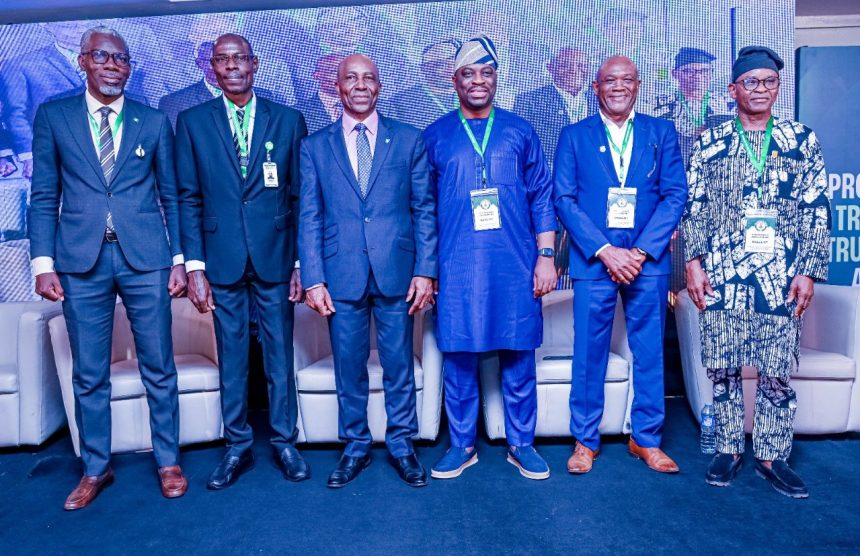
Chief Executive of the Tax Ombud, Dr. John Nwabueze, announced the policy direction in Abuja during a national stakeholder conference on tax fairness. He stated that the measure establishes a binding bridge between harassed taxpayers and state revenue authorities.
“I propose that revenue-generating agencies designate a Liaison Officer who will serve as the institutional interface with the Office of the Tax Ombud,” Dr. Nwabueze said. “These Liaison Officers will provide a clear channel for timely communication and referral of taxpayer complaints, early resolution and prevention of disputes, coordination on systemic taxpayer issues, information sharing within the limits of the law, and implementation and follow-up of recommendations arising from OTO interventions.”
In a major relief for businesses and citizens outside the Federal Capital, Dr. Nwabueze revealed that the agency will roll out at least three regional zonal offices within weeks through partnerships with state governments. The physical rollout is backed by a newly deployed online Case Management Portal, a web portal, and a dedicated contact center allowing citizens to lodge complaints against customs duties, regulatory fees, levies, and tax assessments remotely.
To further protect citizens from administrative excesses, the Ombud announced that the administration will officially publish a Taxpayer’s Bill of Rights and Obligations in the coming weeks. The charter sets enforceable standards of transparency and fairness for all tax authorities across the federation.
“The Charter will provide taxpayers with a clear understanding of their rights, responsibilities, and the standards of fairness, transparency, and accountability they should expect from tax and revenue authorities,” Dr. Nwabueze noted. “We appeal to tax and revenue authorities to support its dissemination. We believe this will strengthen taxpayer awareness, encourage voluntary compliance, prevent disputes, and build greater trust across the tax ecosystem.”
The creation of the independent watchdog—backed by Part VI of the Joint Revenue Board of Nigeria (Establishment) Act, 2025—represents a structural departure from traditional dispute resolution channels such as the courts and the Tax Appeal Tribunal, which often involve lengthy litigation and financial expense.
Dr. Nwabueze explained that while judicial appeal mechanisms remain intact for legal disputes, the OTO directly addresses procedural injustice, over-assessment, and bureaucratic delay. The intervention places Nigeria as the ninth country globally and the third in Africa to institute a specialized tax advocacy institution.
Commending President Bola Ahmed Tinubu and the Minister of Finance and Coordinating Minister of the Economy, Mr. Taiwo Oyedele, for championing fiscal reforms under the Renewed Hope Agenda, Dr. Nwabueze stated that state power to collect revenue must never override citizen rights.
“The history of the Tax Ombudsman is the history of the gradual humanisation of tax administration,” Dr. Nwabueze said. “It reflects the recognition that the power of the State to tax and collect revenue must be accompanied by an equally strong commitment to fairness, accountability, and access to redress. Revenue mobilization and taxpayer protection are not competing objectives, but complementary pillars of an effective, trusted, and sustainable tax system.”


