

FG Hints at Telecom Tariff Hike
…NATCOMS Opposes Tariff Hike
By Patience Ikpeme
The federal government has indicated that an increase in telecommunications tariffs is imminent, but it assured Nigerians that the hike will not reach the 100% level being demanded by operators in the sector.

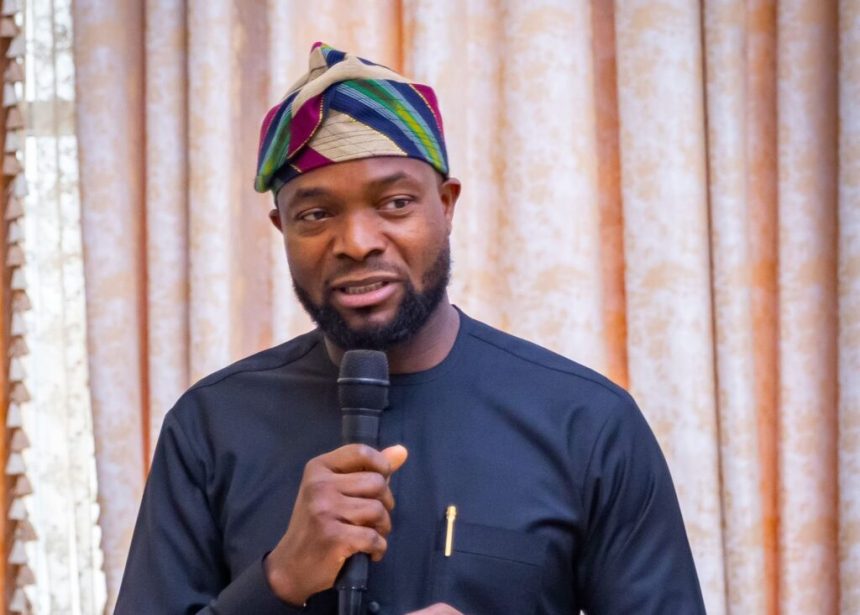
Minister of Communications, Innovation, and Digital Economy, Dr. Bosun Tijani, disclosed this on Wednesday in Abuja following an extensive meeting with stakeholders, including representatives of Mobile Network Operators (MNOs) and the Nigerian Communications Commission (NCC).
“You have seen over the past weeks that there has been agitation from some of these companies to increase tariff. They are requesting for 100% tariff increase,” Dr. Tijani said. “But it will not be by 100%. We are still reviewing the situation, and the NCC will soon make an official announcement.”
The Minister emphasized the government’s commitment to striking a balance between protecting consumers and ensuring that telecom operators can sustain their investments and operations.
Dr. Tijani also noted the importance of infrastructure investment in the telecommunications sector, highlighting the government’s plan to take a more active role.
“As a country, we have traditionally left these investments to the private sector, which typically invests where short- to medium-term returns are guaranteed,” he said. “Moving forward, we will explore more avenues to ensure the long-term growth of the sector.”
The Executive Vice Chairman (EVC) of the NCC, Dr. Aminu Wada Maida, reiterated that the proposed tariff hike will not reach 100% as sought by the operators.
“We have reviewed the situation extensively, and while an increase may be necessary to ensure industry sustainability, we will not approve a 100% hike,” he stated.
Dr. Maida also disclosed plans to simplify tariff structures to improve transparency. “We are moving away from the era of main rates with complex bonus structures. Consumers deserve to clearly understand what they are paying for,” he explained.
Telecom operators argue that the proposed hike is necessary to counteract rising operational costs and inflation.
Airtel Nigeria’s CEO, Mr. Dinesh Balsingh, represented by spokesperson Mr. Femi Adeniran, stressed the need for sustainability. “This adjustment is essential to maintain the sector’s viability while unlocking significant benefits for Nigerian consumers,” he said.
The National Association of Telecoms Subscribers (NATCOMS), however, has strongly opposed the tariff increase.
In a communiqué issued after an emergency meeting in Lagos, NATCOMS described the proposal as “insensitive” and detrimental to Nigerians already burdened by economic challenges.
The association detailed the potential impact of the hike: voice call rates increasing from N11 to N15.40 per minute, SMS costs rising from N4 to N5.60, and a one-gigabyte data bundle jumping from N1,000 to N1,400.
“This additional financial burden comes at a time of high inflation, increased taxes, and soaring living expenses,” the communiqué stated, signed by NATCOMS National President Adeolu Ogunbanjo and National Secretary Barr. Bayo Omotubora.
NATCOMS also highlighted the cumulative effect of previous cost increases, including a 50% VAT hike on telecom services introduced by the Finance Act of 2019 and an excise duty charge from 2020.
The association noted that the excise duty charge is currently being contested in court, with a hearing scheduled for March 2025.
While acknowledging the operators’ challenges, NATCOMS proposed alternative funding strategies, such as leveraging the Nigerian Stock Exchange for capital.
“Operators should consider public offers to bring subscribers into ownership structures, rather than transferring costs directly to consumers,” the communiqué suggested.
The NCC is expected to finalize its decision on the tariff hike in the coming weeks, following further consultations with stakeholders.
As discussions continue, the federal government faces the delicate task of balancing the sustainability of the telecom sector with the affordability of services for Nigerians, many of whom are already grappling with economic hardships.


