

FG Explains Push to End Multiple Taxation, Strengthen Taxpayer Protection
By Patience Ikpeme
The Federal Government has explained that its determination to eliminate multiple taxation is aimed at reducing the burden on taxpayers, encouraging voluntary tax compliance and building greater trust in Nigeria’s tax system.
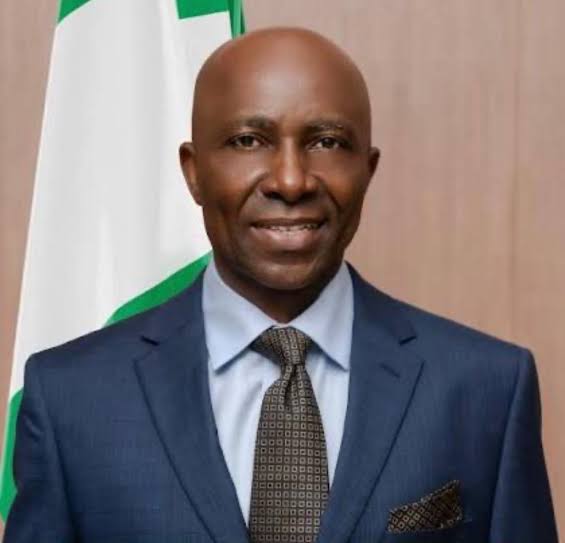
The Tax Ombud and Chief Executive Officer of the Office of Tax Ombud, Dr. John Nwabueze, made this known during an interaction with journalists in Abuja on Tuesday.
According to him, removing multiple taxation will provide relief for individuals and businesses that often face overlapping tax demands from different government agencies.
He said the move is expected to make tax compliance easier and encourage more Nigerians to fulfil their civic responsibility of paying taxes.
“To address the issue of multiple taxation, when we do abolish that, that becomes such a relief. Relief in the sense that Nigerians will not be burdened with that any longer,” Nwabueze said.
He explained that a fairer and more transparent tax system would encourage taxpayers who have remained outside the tax net to participate willingly, thereby increasing compliance and improving revenue generation.
Nwabueze noted that many taxpayers who encounter tax-related challenges often do not know where to seek assistance. He said the Office of Tax Ombud was established to provide a channel through which disputes can be resolved and taxpayers can receive support.
“With protecting taxpayers from multiple taxation, most taxpayers do not know where to go to. Now, there’s an office that can come in within that process and say, let’s see how we can recover and enable them to resolve that,” he said.
He stressed that the Office of Tax Ombud serves both taxpayers and tax authorities by providing an independent platform for resolving disputes and addressing complaints.
“So we are there for the taxpayers. We’re there for the tax authorities,” he added.
The Tax Ombud acknowledged that addressing multiple taxation, particularly at the local government level, will take time because of the number of institutions involved and the need for coordination among different government agencies.
“Some of the local government authorities are not there yet in terms of dealing with that issue of reconciling all these areas of taxation. It would take time to address it because it depends on the different government agencies involved,” he said.
Nwabueze also disclosed plans for closer collaboration between the Office of Tax Ombud and the Federal Competition and Consumer Protection Commission (FCCPC), noting that consumer-related issues often have tax implications.
He said discussions would be initiated with the FCCPC to explore areas of cooperation and improve dispute resolution mechanisms for both consumers and taxpayers.
“Any issue that has to do with consumers has a direct correlation to tax at some point. So that is something we’re looking at,” he said.
Speaking on the establishment of the Office of Tax Ombud, Nwabueze described it as a major step in improving transparency, accountability and fairness within Nigeria’s tax administration framework.
He said the office was created to protect taxpayers’ rights, strengthen confidence in the tax system and provide an independent mechanism for resolving disputes between citizens and revenue authorities.
According to him, successful tax systems around the world are built not only on efficient revenue collection but also on fairness, accessibility, trust and effective dispute resolution.
“The Office of the Tax Ombud was created with accessible, timely and cost-effective mechanisms for addressing and resolving disputes and promoting voluntary compliance,” he said.
Nwabueze explained that the office acts as a bridge between taxpayers and tax authorities through mediation, conciliation, stakeholder engagement and alternative dispute resolution processes designed to reduce lengthy litigation and improve institutional efficiency.
“Our mandate is clear: to serve as a trusted bridge between taxpayers and revenue authorities through mediation, conciliation, stakeholder engagement and alternative dispute resolution mechanisms that reduce prolonged litigation and enhance institutional efficiency,” he stated.
As part of efforts to improve access to its services, the Office of Tax Ombud recently launched a website, a call centre and a case management portal.
The new platforms, he said, allow individuals, businesses and other stakeholders to obtain taxpayer information, submit complaints online or by telephone and monitor the status of their cases in real time.
He added that the ultimate goal of the office is to promote a better understanding of the tax system, encourage voluntary compliance and support national development through improved tax administration.
“In effect, the Office of the Tax Ombud is here to encourage citizens to understand the tax system, pay their taxes and contribute to the development of their country,” Nwabueze said.