

FG Channels Subsidy Savings into Infrastructure, Social Safety Nets
By Patience Ikpeme

The federal government has clarified its strategy for the funds saved from the removal of the fuel subsidy, stating these resources will be channeled into critical infrastructure, social safety nets, and targeted economic reforms.
This approach demonstrates a commitment to the responsible and efficient use of national resources, with the aim of fostering sustainable development and improving the welfare of the Nigerian populace.
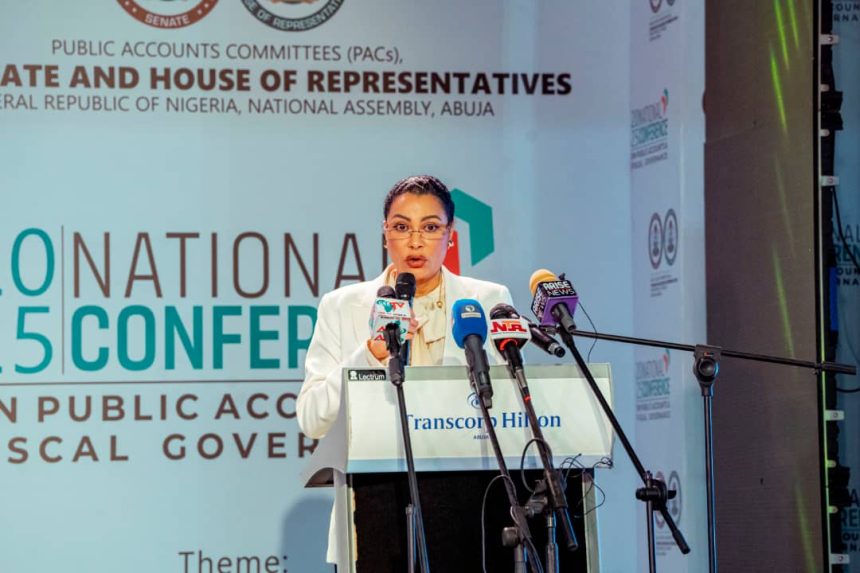
President Bola Ahmed Tinubu made this declaration while inaugurating the 2025 National Conference on Public Accounts and Fiscal Governance in Abuja. The conference, themed “Fiscal Governance in Nigeria: Charting a New Course for Transparency and Sustainable Development,” served as a platform for the President to communicate his administration’s dedication to advancing transparency and sustainable development in the country.
Standing in for President Tinubu, the Honourable Minister of State for Finance, Dr. Doris Uzoka-Anite, stated, “Funds saved from the removal of fuel subsidy will be channeled into critical infrastructure, social safety nets, and targeted economic reforms,” thereby outlining a clear vision for the responsible use of national resources.
Dr. Uzoka-Anite also spoke about the government’s progress in digitizing public finance systems. She mentioned platforms such as the Integrated Payroll and Personnel Information System (IPPIS), the Government Integrated Financial Management Information System (GIFMIS), and the Open Treasury Portal. “These platforms ensure that public funds are traceable, public officers are accountable, and the Nigerian people are empowered with information,” she explained, detailing how these systems promote financial transparency.
Addressing the significance of the conference, Dr. Uzoka-Anite, on behalf of the government, observed that “Fiscal governance is the lifeblood of national development. Without accountability, transparency, and sound management of public resources, no nation can prosper, regardless of its natural wealth.” Her words set a purposeful tone for the gathering, which brought together key stakeholders from the National Assembly, government agencies, civil society organizations, and the private sector.
The conference itself served as an important milestone in Nigeria’s ongoing pursuit of fiscal transparency and sustainable development. Participants engaged in discussions on critical issues, exchanged best practices, and explored new strategies to strengthen fiscal governance. The event provided a vital platform for collaboration, with attendees united in their commitment to charting a new course for Nigeria’s public finance management.
By reinforcing the role of the Public Accounts Committees and promoting transparency and accountability across government, President Tinubu’s administration demonstrated its commitment to fiscal discipline and responsible governance. The conference is expected to yield actionable recommendations that will further advance fiscal transparency and accountability, ultimately contributing to Nigeria’s national development.