

CBN to Implement Measures to Enhance Macroeconomic Stability
…NESG Calls For Robust Policy Environment
By Patience Ikpeme
In a move that is expected to have broad implications for various sectors, the stabilization or reduction in fuel costs in Nigeria is poised to contribute significantly to overall economic efficiency and resilience.

This positive outlook for the country is driven by the Central Bank of Nigeria’s (CBN) inflation-targeting policy and the implementation of market-determined exchange rates.
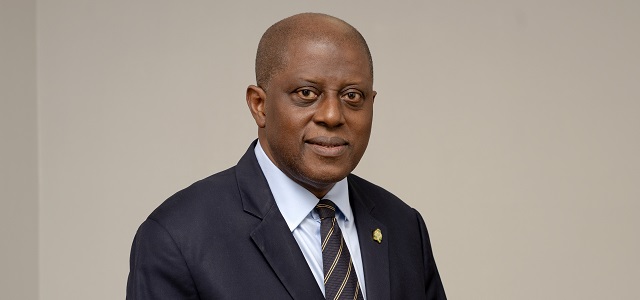
Governor of the CBN Yemi Cardoso said this much at launch of the 2024 Macroeconomic Outlook. Cardoso noted that inflationary pressures are projected to decline in 2024 as a result of the CBN’s inflation-targeting policy, which aims to rein in inflation to 21.4 percent. This decline is expected to be aided by improved agricultural productivity and the easing of global supply chain pressures. The reduction in inflation will benefit businesses by boosting consumer confidence and purchasing power.
The CBN’s adoption of the inflation-targeting framework Cardoso added involves clear communication, the use of monetary policy instruments, and collaboration with fiscal authorities to achieve price stability. This approach fosters market confidence and positively influences consumer behavior, paving the way for a more predictable cost environment for businesses.
The expected decrease in inflation in 2024 will have a profound impact on businesses, providing a more stable cost environment and potentially leading to lowered policy rates. This, in turn, will stimulate investment, fuel growth, and create job opportunities, bolstering the overall economy.
Moreover, the CBN Governor disclosed that the Bank has recently implemented a market-determined exchange rate policy aimed at reducing arbitrage and achieving a consistent and stable exchange rate. This policy, combined with the reduction in petroleum product imports, is expected to stabilize the foreign exchange market in 2024.
The resulting stability in the exchange rate will not only boost investor confidence but also attract foreign investment, thereby elevating Nigeria’s appeal to global investors.
The CBN is also actively working towards improving liquidity in the foreign exchange markets in the short, medium, and long term. The Bank is addressing fundamental issues that have hindered the effective operation of the markets, with a focus on transparency and fair determination of exchange rates. Upholding the integrity of financial markets, Cardoso said is a priority for the CBN, and it remains committed to decisively addressing any infractions and abuses.
Furthermore, the CBN recently launched a new five-year strategy for the period 2024-2028, which focuses on price stability and monetary policy effectiveness, a robust and resilient financial system, and governance, compliance, and advisory to the government. These themes form the pillars of the bank’s actions and activities, aiming to ensure monetary, price, and financial system stability as catalysts for inclusive growth and sustainable economic development.
Earlier, the Nigerian Economic Summit Group (NESG) through the Chairman Mr. Niyi Yusuf, also emphasized the importance of a robust policy environment in laying the foundation for sustainable macroeconomic stability and economic transformation.
While acknowledging the current administration’s efforts to stabilize the economy, the NESG Chairman highlighted the need for more immediate action to reverse the country’s weak and non-inclusive growth narrative. All stakeholders were urged to contribute to rebuilding the Nigerian economy.
NESG’s Chief Economist and Director of Research, Dr. Olusegun Omisakin In his presentation noted that in 2023, Nigeria’s top-performing sectors took a backseat, leading to jobless and non-inclusive economic growth.
He stated that “rising inflation negatively impacted business productivity and household welfare, resulting in 14 million Nigerians falling into poverty. Also, the removal of fuel subsidies and alignment of foreign exchange rates boosted government revenue, but the fiscal space remained fragile.
Looking into the new year, he projected that for 2024, there will be a 5% unemployment rate, lower poverty rates due to improvements in the job sector, a positive trajectory for the official exchange rate, and an expected boost in foreign reserves to reach $40 billion by the end of the year.