

CBN Reports Economic Gains, Calls for Stronger Policy Alignment
By Patience Ikpeme

The Central Bank of Nigeria (CBN) says Nigeria is witnessing clear signs of economic recovery following the implementation of key policy reforms under the leadership of Governor Olayemi Cardoso.
However, the Bank insists that stronger coordination between monetary and fiscal authorities is crucial to sustaining the progress already achieved.
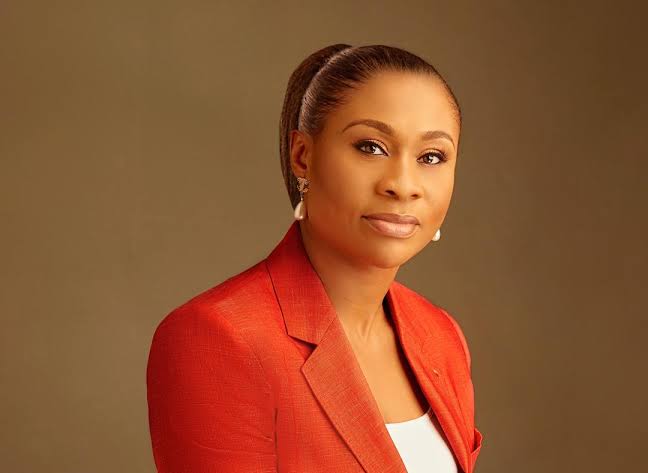
Deputy Governor for Corporate Services of the CBN, Emem Usoro made this disclosure at the 37th edition of the annual FICAN Seminar for Finance Correspondents and Business Editors in Lagos on Thursday.
Represented by the Acting Director of Corporate Communications, Hakama Sidi Ali, Usoro outlined the improvements recorded since 2023.
She said the reforms had contributed to notable macroeconomic gains, including a decline in inflation to 16.05%, a more stable exchange rate below N1,500 to the dollar with limited volatility, and external reserves exceeding $46 billion, enough to cover more than ten months of imports.
Usoro explained that these outcomes reflect the return to orthodox monetary policy, enhanced corporate governance practices, and the ongoing bank recapitalisation programme, all of which are aligned with the federal government’s broader economic reforms. She stated that while the progress is encouraging, more work remains to be done.
According to her, “the journey towards improved microeconomic fundamentals and enhanced living standards requires persistent efforts,” particularly through stronger synergy between monetary and fiscal authorities.
She also spoke about the increasing influence of technological innovation and digital finance on the financial system. She said this development calls for robust regulatory frameworks capable of ensuring stability, resilience, and consumer protection.
Usoro added that the media plays a vital role in conveying policy progress in a transparent and factual manner, which she said is critical for maintaining public trust and supporting policy success.
Supporting this position, the CBN’s Lagos Branch Controller, Mr. Diabo Sunday Amorighoye—represented at the event by Assistant Director Anthony Adamu—said Nigeria’s macroeconomic objectives require both fiscal and monetary policies working in tandem. Adamu noted that monetary policy aims at ensuring price stability and managing liquidity, while fiscal policy focuses on public investment and social equity. According to him, synergy between the two “is essential to avoid inflationary pressures and bolster investor confidence.”
He explained that well-coordinated policies can deepen financial markets, strengthen the naira, and drive inclusive economic growth. Adamu urged policymakers, economists, and the media to maintain open and constructive engagement, explore innovative ideas, and generate practical solutions to support Nigeria’s financial stability.
The discussion at the seminar aligns with the broader economic outlook, with projections placing Nigeria’s GDP growth at about 4.17% in 2025. Analysts attribute this forecast to fiscal reforms, steady crude oil production, and improved performance in the non-oil sector.
With the CBN reiterating its commitment to reform and policy coherence, the institution says the country has entered a critical phase in its pursuit of macroeconomic stability and sustainable growth.
The Bank noted that both the federal government and the CBN remain committed to implementing recommendations emerging from ongoing policy dialogues aimed at strengthening Nigeria’s economic future.