


CBN Pushes to Recapitalize DFIs to Close ₦222tr Funding Gap
By Patience Ikpeme
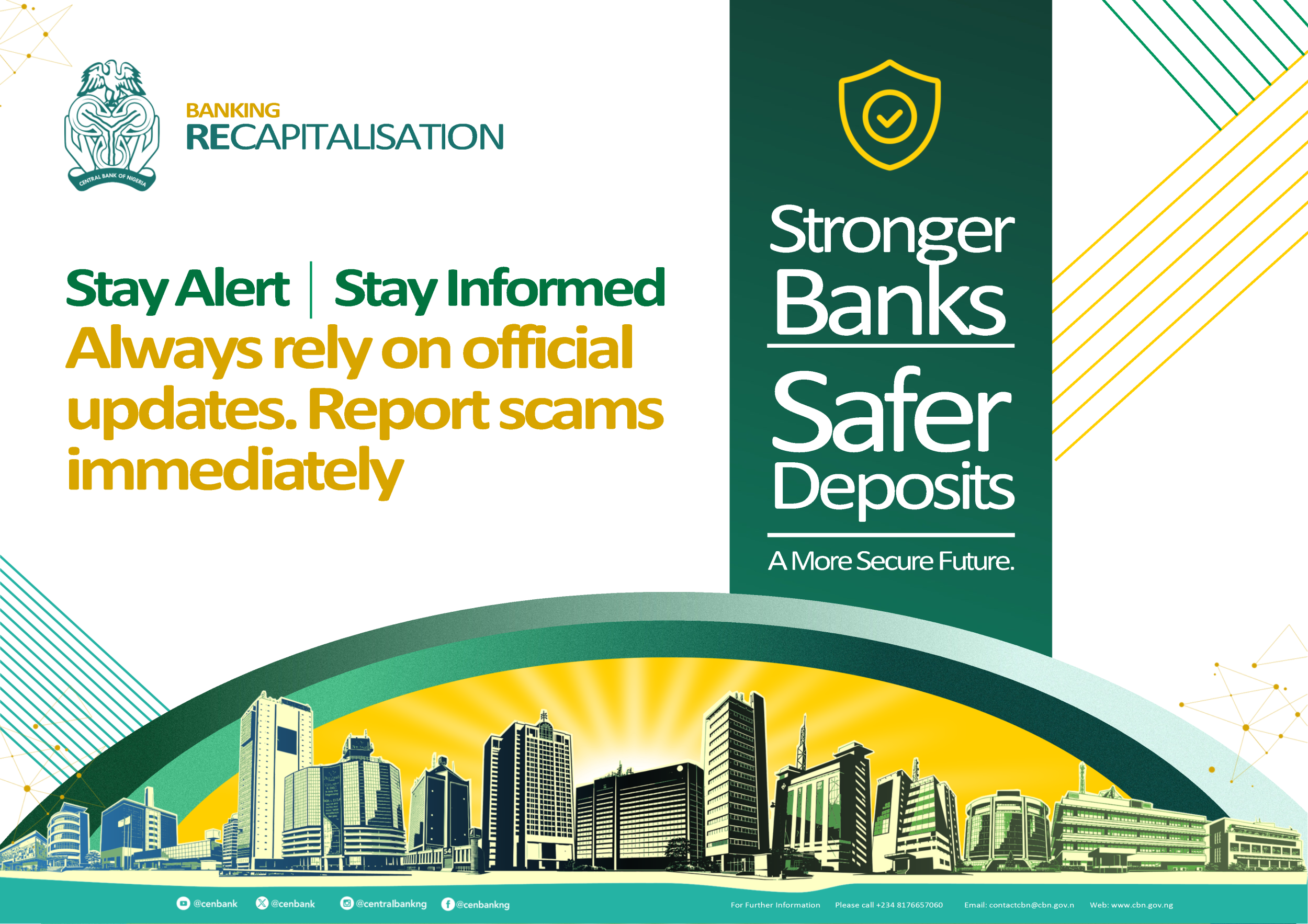
The Central Bank of Nigeria (CBN) has called for a comprehensive overhaul and recapitalization of Development Finance Institutions (DFIs).
This move is intended to bridge a staggering ₦222 trillion financing gap currently facing small businesses across the country.
Speaking on Tuesday at the presentation of the World Bank Nigeria Development Update (NDU) in Abuja, the Deputy Governor for Economic Policy at the CBN, Mohammed Sani Abdullahi, stated that the current capacity of Nigeria’s development lenders is vastly inadequate compared to the needs of the economy.
He pointed out that while the total asset base of existing DFIs—including the Bank of Industry, Development Bank of Nigeria, and the Bank of Agriculture—stands at approximately ₦8 trillion, the actual financing requirement for Micro, Small, and Medium Enterprises (MSMEs) exceeds ₦230 trillion.
The Deputy Governor noted that the central bank intends to move away from previous methods of intervention. “What we do want to shy away from very strongly is this administratively directed credit, which is something that we’ve seen in the past that has never worked,” Abdullahi said. He explained that banks cannot be forced to lend to specific businesses and must instead perform their own risk assessments.
To address the shortfall, the CBN is looking at a model that combines fresh capital with structural changes. Abdullahi said that a review conducted last year revealed a wide disparity between available resources and national demand. “The only way to do it is not only through public sector injecting capital in these agencies, but it’s also to make them bankable, to make them investable, to ensure that we’re able to build a new crop of DFIs or strengthen the DFI system we have now that can deploy much larger capital,” he told the audience.
The CBN’s plan involves tackling the high volume of non-performing loans (NPLs) that have plagued some of these institutions. According to Abdullahi, only a few DFIs are currently operating within acceptable risk limits. He said the central bank, in cooperation with the Ministry of Finance, is looking at the entire sector to correct incentives and improve risk appetite. “Of course, the Central Bank of Nigeria and the Ministry of Finance, which most frequently cooperate, own a lot of the shares in these DFIs,” he added.
Despite the pressure of high interest rates, the Deputy Governor expressed confidence in the current trajectory of the economy. He observed that the Purchasing Managers’ Index (PMI) remains above 50, a sign that business activity continues to expand. He suggested that with the right financing structures in place, economic growth will see further acceleration.
The World Bank’s Lead Economist also shared an assessment of Nigeria’s external sector, noting that the country’s position has strengthened following recent reforms. The report cited an increase in external reserves, stronger buffers, and reduced volatility in the exchange rate following the unification of the currency market. However, the World Bank warned that Nigeria remains vulnerable to external shocks, including potential drops in foreign direct investment, reduced remittances, and rising costs for external borrowing.
To sustain these gains, the World Bank recommended that Nigeria maintain a tight monetary policy until inflation shows a sustained decline. The report further suggested that the government should restore competition in the fuel market by reopening imports and address supply-side issues by reducing tariffs and removing import bans on various goods.
These measures, according to the bank, are essential to lowering production costs and bringing down the cost of living for Nigerians.