

CBN Directs Banks to Use Automated Systems to Catch Financial Criminals
By Patience Ikpeme
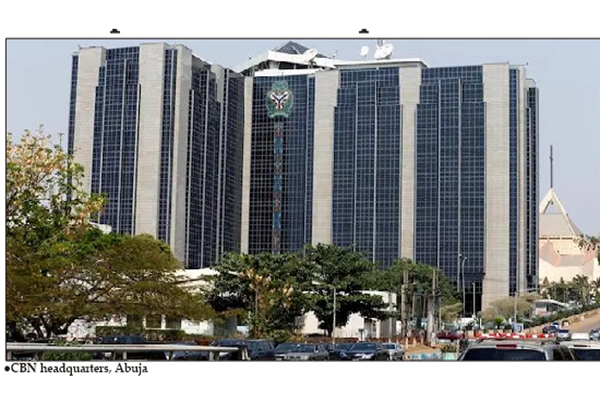
The Central Bank of Nigeria (CBN) has taken a major step to stop money laundering and the financing of terrorism by ordering financial institutions across the country to adopt new technology-driven monitoring systems.
In a move aimed at making the Nigerian financial space safer, the apex bank issued a new set of rules titled “Baseline Standards for Automated Anti-Money Laundering (AML) Solutions.” These rules are designed to move banks away from slow, manual ways of checking transactions and toward fast, computerized systems that can spot suspicious movements of money as they happen.
According to the CBN in a circular issued on March 10, 2026, these new standards will help banks and other financial players identify “dirty money” more effectively. The apex bank stated that the new rules are part of its “commitment to promote a sound financial system in Nigeria” and to ensure that all banks follow the same high standards when it comes to technology.
The document explains that every bank and financial house must now use software that can automatically verify the identities of their customers and rank them based on the level of risk they pose. This includes keeping a close eye on “Politically Exposed Persons” (PEPs) and checking names against global lists of people who are banned or under sanctions.
“The standards aim to ensure uniformity, efficiency, and regulatory compliance in AML solutions across financial institutions in Nigeria,” the CBN noted in the circular.
One of the biggest changes in the new rules is the focus on real-time monitoring. This means that instead of checking records days after a transaction is done, the new systems will flag suspicious activities immediately. The CBN believes this will reduce the mistakes often made by human staff and make it much harder for criminals to hide their activities.
For the ordinary Nigerian, this means that banks will become more thorough in their “Know Your Customer” (KYC) processes. The systems will now link more closely with national identity databases like the Bank Verification Number (BVN) and National Identification Number (NIN) to ensure that nobody is opening accounts with fake or stolen identities.
The apex bank also made it clear that it wants banks to be in control of these technologies. The document says that the systems must be easy for bank staff to use and should be flexible enough for banks to update them without always waiting for the companies that sold them the software.
“Financial institutions are expected to begin deploying automated systems to support transaction monitoring and regulatory reporting,” the bank added, giving different types of institutions specific timelines to get their systems ready.
While big commercial banks have been given 18 months to fully comply with every part of the new law, other smaller financial houses are also expected to start their upgrades immediately.
The CBN warned that any institution that fails to meet these new technology standards will face penalties. The goal, according to the regulator, is to protect the integrity of Nigeria’s economy and ensure that the country meets international rules set by global bodies that fight financial crimes.


