

CBN, Bank of Angola Seal Pact on Financial, Technical Cooperation
By Patience Ikpeme

The Central Bank of Nigeria (CBN) and the Bank of Angola have signed a Memorandum of Understanding (MoU) to boost bilateral technical cooperation and strengthen coordination across key central banking functions.
The agreement, signed on Thursday, October 16, 2025, on the sidelines of the IMF and World Bank Group Annual Meetings, is expected to promote knowledge exchange and enhance capacity in the execution of central banking functions for both nations.
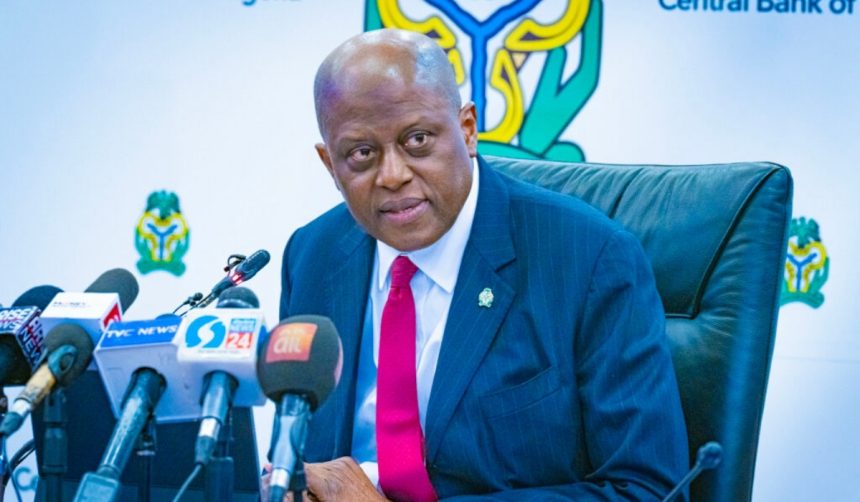
The MoU was signed by the CBN Governor, Mr. Olayemi Cardoso, and his Angolan counterpart, Mr. Manuel Antonio Tiago Diaz.
CBN Governor Cardoso described the MoU as a “timely and significant milestone” in fostering regional cooperation among African central banks. He noted that the agreement had been in the works for some time and confirmed the growing understanding that collaboration is essential to addressing Africa’s shared economic challenges.
“This forum brings together a multiplicity of stakeholders and interests from across the globe, and what we’ve done today highlights the spirit of cooperation that defines these annual meetings,” Cardoso said.
The Governor explained that the pact is in line with the CBN’s strategy to promote regional stability, support cross-border financial integration, and build institutional resilience across Africa.
He added: “This agreement gives us the opportunity to strengthen regional understanding, share experiences, and build a more interconnected and robust financial system.”
In his remarks, the Governor of the Bank of Angola, Mr. Manuel Tiago Dias, described the MoU as an important step toward building stronger financial ties between the two countries and, by extension, among African nations. He observed that both central banks share common objectives of promoting macroeconomic stability, developing efficient payment systems, and safeguarding their financial sectors against global vulnerabilities.
The CBN Deputy Governor (Economic Policy), Dr. Muhammad Sani Abdullahi, explained that the MoU provides a structured framework for both central banks to share knowledge, technical expertise, and supervisory information.
He said the agreement’s objectives include establishing a bilateral platform for reciprocal technical assistance, enhancing capacity development, and fostering collaboration in the supervision of financial institutions that operate across borders.
“The cooperation will strengthen our capacity to manage systemic risks and ensure stability in our financial sectors,” Abdullahi said. “It also provides a platform for shared learning and innovation in central banking operations.”
The areas of cooperation covered under the MoU include: Exchange control, management of financial markets and foreign reserves; Currency management and economic research; Monetary and financial statistics and payment systems; Financial sector development and banking regulation: and Cybersecurity, anti-money laundering and counter-financing of terrorism (AML/CFT), and staff training.
The agreement also focuses on ensuring a transparent and smooth exchange of information between the two central banks, particularly in the licensing, ongoing supervision, and resolution of cross-border financial establishments.