

Bagudu Urges Stronger Partnerships to Protect Vulnerable Nigerians During Reforms
By Patience Ikpeme
The Minister of Budget and Economic Planning, Senator Abubakar Atiku Bagudu, has called for deeper cooperation among government entities, humanitarian bodies, and development partners to ensure that national policy shifts deliver direct relief to vulnerable citizens across the country.
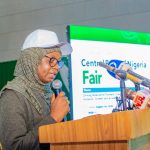
Speaking in Abuja at the Catholic Relief Services (CRS) Nigeria Impact Showcase, the minister stated that the scale of Nigeria’s development demands a collective approach. He noted that non-governmental organizations play a vital role in bridging delivery gaps and providing support to remote or overlooked communities.
Senator Bagudu praised CRS for its wide-reaching humanitarian programs, noting that its inclusive strategy operates beyond religious considerations and aligns with the nation’s broader socio-economic goals.
“Peace and harmony are ensured when all are included. That is why the role of organisations such as the Catholic Relief Services is important. They help us identify not only the issues in our society but also those who are missed out despite the best-designed interventions,” Senator Bagudu stated.
He explained that public forums like the showcase allow policymakers and non-state actors to review progress, pinpoint operational shortfalls, and build stronger frameworks for future aid delivery.
Addressing the current economic landscape, the minister explained that the measures led by President Bola Ahmed Tinubu are vital to reviving domestic productivity and laying the groundwork for long-term stability. However, he acknowledged that large-scale restructuring brings immediate challenges to low-income populations, which informed the creation of targeted relief programs for small business owners, artisans, and rural farmers.
“Whenever you implement bold reforms, whether at the family, community, or national level, they will have disproportionate effects on different parts of the populace. Therefore, we have to be more deliberate,” he said.
Senator Bagudu pointed out that external economic pressures—including global conflicts, supply chain bottlenecks, elevated energy tariffs, and high fertilizer prices—have compounded domestic difficulties. These combined factors have placed additional strain on transport operators, agricultural producers, and household budgets nationwide, making non-governmental partnerships indispensable.
The minister acknowledged that while state-led relief measures exist, administrative and logistical hurdles remain in reaching every marginalized citizen. He called for greater humility within public institutions to adopt best practices from field-tested non-governmental organizations.
“We must recognise that those who have been supporting us must work with government so that, where our reach has not been effective, we can strengthen them. And where we have learning to do, we should also be humble enough to acknowledge that,” he said.
Senator Bagudu concluded by noting that Nigeria’s three-tiered federal system provides a distinct framework for Federal, State, and Local governments to join forces with development partners, pledging the Federal Government’s ongoing support for collaborative initiatives aimed at social protection and community development.