
African Nations Move to Recover $88bn Yearly Loss to Illicit Financial Flows
By Patience Ikpeme
African governments have intensified efforts to reclaim nearly $88 billion lost annually to illicit financial flows (IFFs), describing the recovery of these resources as a non-negotiable step toward financing the continent’s development.
The drive for reform took center stage during the 5th Session of the Sub-Committee on Tax and Illicit Financial Flows of the Specialized Technical Committee on Finance, Monetary Affairs, Economic Planning and Integration (STC-FMAEPI) held in Abuja on Tuesday.
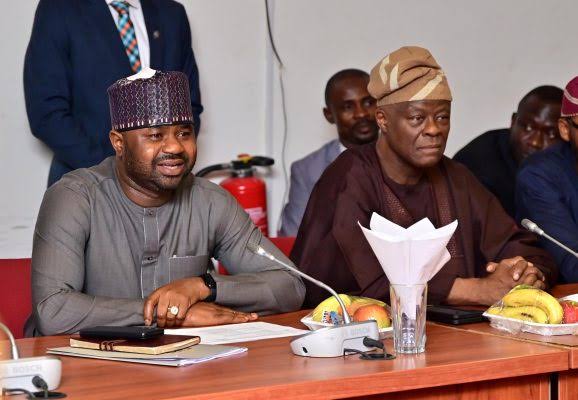
Delivering the keynote address, Nigeria’s Minister of Finance and Coordinating Minister of the Economy, Mr. Wale Edun, stated that these stolen resources represent funds that should otherwise be invested in infrastructure, education, healthcare, and other productive sectors. He noted that the continent continues to grapple with tax evasion, base erosion, limited economic diversification, and a persistent dependence on external financing.
The Minister explained that the path forward requires a clear set of priorities, including broadening the tax base through improved compliance, strengthening public financial management to ensure accountability, and developing robust capital markets to support innovation. He maintained that investing in the foundations of sustainable reform, such as digital infrastructure and active citizen engagement, is essential for lasting change.
Sharing Nigeria’s specific reform experience, Mr. Edun detailed the comprehensive tax reforms implemented under the leadership of President Bola Ahmed Tinubu since May 2023. These measures, which fully came into effect in January 2026, aim to simplify the tax system and reduce the burden on vulnerable populations. He also pointed to the signing of Executive Order 9, which mandates that all oil and gas revenues be remitted into constitutionally designated accounts prior to disbursement, as a major step in strengthening transparency.
The Minister further observed that the removal of fuel subsidies and the unification of the exchange rate have significantly improved fiscal transparency and bolstered investor confidence. He also noted the recent launch of a National Single Window system as a practical tool to tackle trade-based illicit financial flows. He stated that the changing global landscape calls on African nations to act with urgency and confidence, using the talent and institutional foundations available to succeed.
Contributing to the discussion, the Chairman of the Nigeria Revenue Service (NRS), Dr. Zacch Adedeji, described illicit financial flows as one of the most pressing threats to the economic progress of the continent. He said that every year, billions of dollars are diverted through illegal financial transfers, trade mispricing, and opaque corporate structures, leading to lost opportunities in hospitals, schools, and infrastructure. Dr. Adedeji argued that because these flows are inherently transnational, continental cooperation through platforms like the STC-FMAEPI is indispensable for protecting financial resources.
In her address, the Executive Secretary of the African Tax Administration Forum (ATAF), Mary Baine, noted that governments across the continent are facing rising development needs and tightening fiscal space. She stated that the core message of the Africa Agenda 2063 blueprint is that the continent’s aspirations will only be realized if nations can finance them through robust, fair, and efficient tax systems.
The ATAF boss revealed that while Africa’s tax performance in 2025 showed gradual progress, with tax-to-GDP ratios on an upward trend, the continent still lags behind other regions. She cited data from the African Economic Outlook 2025 projecting real GDP growth to edge past the 4 percent mark this year, yet warned that this remains below potential.
She noted that while 24 African countries saw increases in their tax-to-GDP ratios, the continental average of 16 percent indicates a significant need to work smarter to accelerate growth and close loopholes used for illicit financial leakages.