Nigeria to Remain AfDB’s Biggest Shareholder
…Pledges to Pay Its Capital Dues

By Patience Ikpeme
Nigeria has said it wants to stay on as the largest shareholder of the African Development Bank (AfDB) and will pay all the capital contributions it owes the institution.
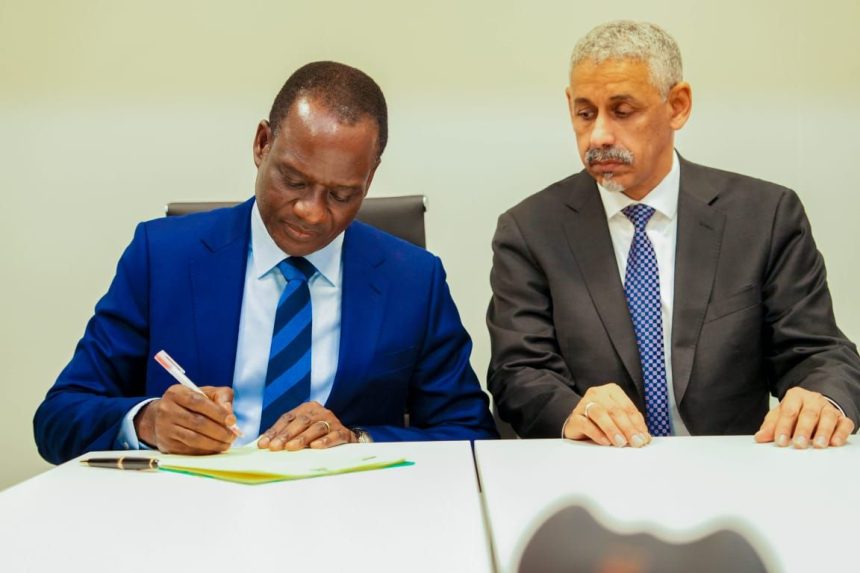
The Minister of Finance and Coordinating Minister of the Economy, Mr Taiwo Oyedele, gave the assurance in Bangkok, Thailand, on the sidelines of the 2026 IMF/World Bank Annual Meetings, where he held talks with the Bank’s leadership.
In a statement issued from the Bangkok meetings, the Head of Media at the Federal Ministry of Finance, Mrs Efe Ovuakporie, said the Minister also voiced Nigeria’s backing for the “Four Cardinal Points,” the plan guiding the Bank under its President, Dr Sidi Ould Tah.
The four goals are to close Africa’s money gap, protect the continent’s control over its own finances, make good use of its large young population, and build strong infrastructure by processing natural resources within Africa. Mr Oyedele said these goals sit close to what Nigeria itself is trying to achieve. “The agenda aligns closely with Nigeria’s own development priorities,” he said.
Both sides also agreed to carry out a joint technical review of the Bank’s projects and investments in Nigeria. They will also prepare for an official visit to the country by Dr Ould Tah.
According to the statement, the review will find the problems slowing down project work, help projects get finished faster, and make sure ongoing Bank-supported activities match the priorities of the Federal Government.
Mr Oyedele said Nigeria’s long partnership with the Bank should now produce more money for development and clear benefits for the economy. In his view, years of cooperation should show up in the lives of ordinary people and in the strength of the nation’s finances.
The planned visit by the AfDB President is expected to include meetings with President Bola Ahmed Tinubu, senior government officials and other interested parties. The discussions will centre on Nigeria’s development goals and how the country and the Bank can work more closely together.
The meeting also looked at the high cost of borrowing for African nations. Mr Oyedele pointed out that the grades given by international credit rating agencies often fail to show when a country’s economy has improved or when it has carried out genuine reforms. This, he said, pushes up the interest that countries such as Nigeria must pay when they borrow.
Responding, Dr Ould Tah revealed that the Bank is setting up a special facility to give African governments technical and analytical help when dealing with rating agencies. The facility will help countries present reliable economic figures and, where needed, question ratings they believe are unfair.
Other subjects covered included closer financial links among African countries, trade in local currencies, trade insurance, and ways of improving credit quality so that investors face less risk and more private money flows into African projects. Both sides also agreed on the need to keep skilled professionals on the continent rather than lose them abroad.
Work on financing and the performance of the Bank’s projects in Nigeria will go on while preparations for Dr Ould Tah’s visit continue.