‘Nigeria’s Reforms Working’, FG Tells World Bank as Private Investment Soars
By Patience Ikpeme

Nigeria’s Finance Minister, Taiwo Oyedele, and the Governor of the Central Bank of Nigeria, Olayemi Cardoso, held talks on Monday with the President of the World Bank Group, Ajay Banga, over how to turn the country’s economic reforms into faster growth, more jobs and better living conditions.
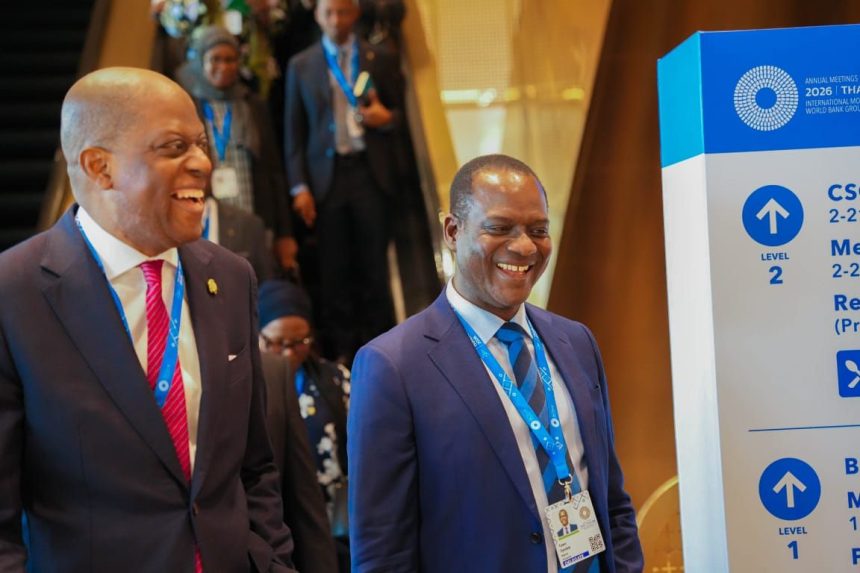
The meeting took place on the sidelines of the 2026 Annual Meetings of the International Monetary Fund (IMF) and the World Bank Group in Bangkok, Thailand. Mr Oyedele, who is also the Coordinating Minister of the Economy, is leading Nigeria’s delegation to the event.
The Head of Media at the Federal Ministry of Finance, Mrs Efe Ovuakporie, said the discussion looked at what the reforms have achieved so far and what should come next.
“The meeting reviewed Nigeria’s reform progress and the next phase of its agenda: turning macroeconomic stability into faster growth, more private investment and stronger domestic revenues,” she said.
Mr Banga praised the progress made under the reforms. He pointed to a sharp rise in the amount of private money coming into the country, which grew from about $300 million in 2023 to nearly $6 billion in 2026. That is a twentyfold increase in just three years.
In simple terms, far more investors, companies and financial institutions are now putting their money into Nigeria than before, and this can help to build businesses and create work for young people.
Mr Oyedele spoke about the improving growth of the economy. He also said the share of the nation’s income collected as tax has risen from about 7 per cent to 12.5 per cent over the same period. This measure is known as the tax-to-GDP ratio, and it shows how much of the country’s total output ends up as government revenue.
According to the ministry, the higher collection gives the government more room to pay for roads, power, schools and hospitals without turning to deficit monetisation. This is the practice of printing money or borrowing from the central bank to cover government spending, which can push up prices and weaken the naira.
The two sides also discussed how Nigeria can make more use of the World Bank’s guarantee tools. A guarantee works like a promise of backing. It lowers the risk for lenders and investors, which makes it easier to raise money for big projects such as roads, power plants and railways. It can also draw more private capital into the local market.
Power supply and human capital, meaning the health, education and skills of the people, were named as the top areas for continued government spending. The reason given is that steady electricity and a healthy, skilled workforce help businesses compete, raise productivity and create jobs.
The meeting also gave attention to the quality of public spending. The aim is to make sure that every naira spent brings clear and measurable benefits to the economy and to citizens.
The ministry said the talks form part of the Federal Government’s wider contact with development partners, meant to protect the gains from the reforms and bring in new investment. As the country moves from stability to growth, the main task is to turn stronger economic foundations into productive investment, more jobs and a better standard of living for Nigerians.