

AU and ATAF Cooperating to Boost Revenue Collection Across the Continent
By Patience Ikpeme
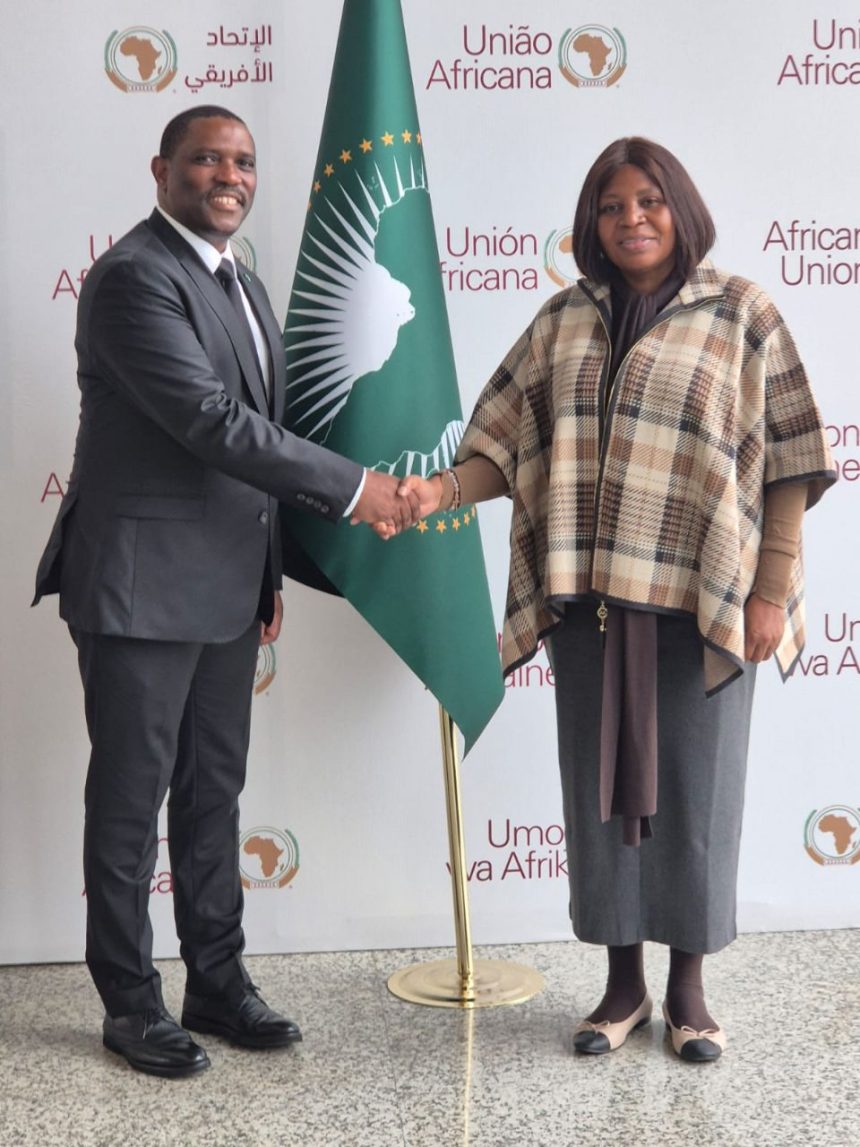
The African Union Commission and the African Tax Administration Forum (ATAF) have agreed to work more closely together to help African countries raise more money from taxes and reduce their dependence on foreign aid and loans.
This agreement was reached when a team from the African Tax Administration Forum, led by its Council Chair, Dr Johnston Makhubu, met with the African Union Commissioner for Economic Development, Trade, Tourism, Industry and Minerals, Francisca Belobe, at the African Union headquarters in Addis Ababa, Ethiopia.
The meeting focused on how African countries can use tools already developed by the two organisations to fight tax evasion, close loopholes that allow money to leave the continent illegally, and make sure businesses pay their fair share of tax.
One of the tools discussed was the Agreement on Mutual Assistance in Tax Matters, which allows tax offices in different African countries to share information, help each other collect unpaid taxes, and carry out joint investigations. Officials say this kind of teamwork is becoming more important because many companies and individuals move money across borders to avoid paying tax, a problem that has cost African countries billions of dollars over the years.
The two sides also discussed the African Tax Administration Forum’s Model Double Taxation Agreement, a guide that helps African governments negotiate fairer tax treaties with other countries. Many existing treaties were signed years ago and often favour foreign investors more than the African nations involved. The new model is meant to help countries protect their right to tax income earned within their borders while still attracting investment.
Commissioner Belobe called on the African Tax Administration Forum to work more closely with private businesses, saying that involving companies directly in conversations about tax rules can encourage them to pay what they owe willingly, rather than through force.
She said this kind of engagement can also help bring more businesses into the formal tax system and grow the number of people and companies contributing to government revenue.
Both sides agreed that better tax compliance also requires ongoing dialogue with taxpayers and clearer, more predictable rules, so that businesses know exactly what is expected of them.
The discussions further touched on the difficulty of taxing industries such as mining and oil, which are often described as hard to tax because of complicated contracts, cross-border deals, and limited access to information needed to calculate how much tax is owed. Officials said more work is needed to close these gaps and ensure African countries earn fair returns from their natural resources.
Commissioner Belobe also spoke about progress made through the African Union’s Specialised Technical Committee on Finance, Monetary Affairs, Economic Planning and Integration, and called for continued effort to strengthen how countries collect tax revenue and manage their public finances.
Going forward, the African Union Commission and the African Tax Administration Forum plan to renew their partnership agreement and draw up a detailed work plan for the coming years. This new framework is expected to guide their joint work on tax policy, treaty negotiations, cooperation between tax authorities, engagement with the private sector, and the taxation of difficult sectors such as mining and other resource industries.
Officials from both organisations say the goal is to turn these agreements and policy tools into real, practical benefits that African governments can use to raise more revenue at home, reduce reliance on external borrowing, and fund development projects that improve the lives of ordinary citizens.