

CBN Withdraws Licences of 46 Microfinance Banks Across Nigeria
By Patience Ikpeme
The Central Bank of Nigeria (CBN) has closed down 46 microfinance banks across the country after withdrawing their operating licences for failing to follow banking rules.
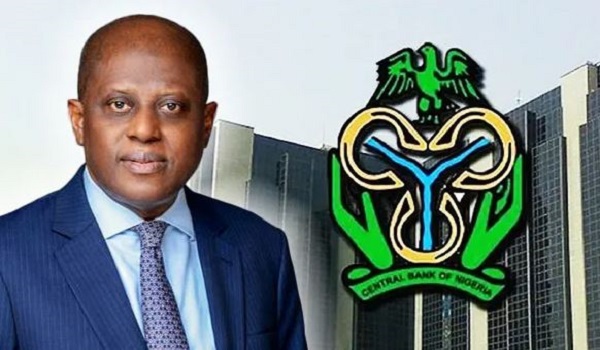
The decision came into full force on July 1, 2026, after the Governor of the Central Bank, Mr. Olayemi Cardoso, gave his official approval.
According to a public statement released on Wednesday by the CBN’s Acting Director of Corporate Communications, Mrs. Hakama Sidi-Ali, the apex bank used its powers under Sections 12 and 13 of the Banks and Other Financial Institutions Act (BOFIA) 2020 to take away the licences. This law gives the central bank the legal right to shut down any financial institution that breaks regulatory codes.
The CBN explained that the affected microfinance banks were caught breaking one or more important operational conditions.
Giving reasons for the shutdown, the regulator stated that some of the banks no longer had enough properties or money to pay back what they owed. Others simply locked up their offices and stopped working without getting permission from the Central Bank.
Furthermore, many of the banks stopped giving out loans or accepting deposits, failed to start business up to a year after getting their licences, or lost too much money until their capital fell below the minimum level allowed by law.
“The revocation was approved by the Governor of the Central Bank of Nigeria, Mr. Olayemi Cardoso, following the banks’ failure to meet the regulatory requirements for continued operation as licensed financial institutions,” the official statement confirmed.
The central bank listed all the closed institutions so that members of the public could identify them.
In Lagos State, the affected banks include Supreme Microfinance Bank, Creditville Microfinance Bank, MBAG Microfinance Bank, Verdant Microfinance Bank, Gold Microfinance Bank, Chanelle Microfinance Bank, Safegate Microfinance Bank, and Entrepreneur Microfinance Bank.
Kano State saw a heavy hit with the closure of Zain Microfinance Bank (formerly known as Dawakin Tofa Microfinance Bank), Bompai Microfinance Bank, Ajwa Microfinance Bank (formerly Gezawa Microfinance Bank), Now Now Digital Microfinance Bank, Minjibir Microfinance Bank, Shanono Microfinance Bank, Sumaila Microfinance Bank, Rimin Gado Microfinance Bank, Sycamore Microfinance Bank, Tofa Microfinance Bank, Kanopoly Microfinance Bank, Bellbank Microfinance Bank (formerly Tsanyawa Microfinance Bank), and Esteem Microfinance Bank.
Other banks kicked out of business across the states include Minji-Se Churchill Microfinance Bank in Rivers State; Merchant Microfinance Bank and Abia SME Microfinance Bank in Abia State; Janmaa Microfinance Bank in Kwara State; as well as Busu Microfinance Bank and Bejin-Doko Microfinance Bank in Niger State.
Also included on the list are Crystabel Microfinance Bank in Bayelsa State; Kamba Microfinance Bank and Zuru Microfinance Bank in Kebbi State; Iwade Microfinance Bank and Apple Microfinance Bank in Ogun State; Winview Microfinance Bank and Casha Microfinance Bank in the Federal Capital Territory (FCT), Abuja.
The sweep also affected Mwaghavul Microfinance Bank and Yeneng Microfinance Bank in Plateau State; Creekline Microfinance Bank in Delta State; Bestar Microfinance Bank in Oyo State; Livingspring Microfinance Bank in Cross River State; Stanford Microfinance Bank in Akwa Ibom State; Frontline Microfinance Bank in Anambra State; Zafec Microfinance Bank and Basawa Microfinance Bank in Kaduna State; Straight Sahara Microfinance Bank in Benue State; OurPass Microfinance Bank in Ondo State; and Avantus Microfinance Bank in Osun State.
The CBN stated that this clean-up exercise is part of its ongoing work to make Nigeria’s financial sector stronger by keeping only the banks that respect the law in business.
The apex bank added that taking away the licences of these non-compliant banks will protect the money kept there by ordinary depositors, keep the banking sector stable, and make everyday Nigerians trust the financial institutions that are left operating.
The CBN promised that it will continue to look after the safety and strength of the country’s financial sector and will not hesitate to take serious supervisory or regulatory steps whenever it is necessary to make sure banks obey the law.