
Net‑Zero Investment Plan Launched to Mobilise Private Finance for Growth
By Patience Ikpeme
The Federal Government has launched its Net‑Zero Investment Plan (NZIP), reaffirming Nigeria’s commitment to environmental protection while signalling measures to attract private and international financing for low‑carbon growth.
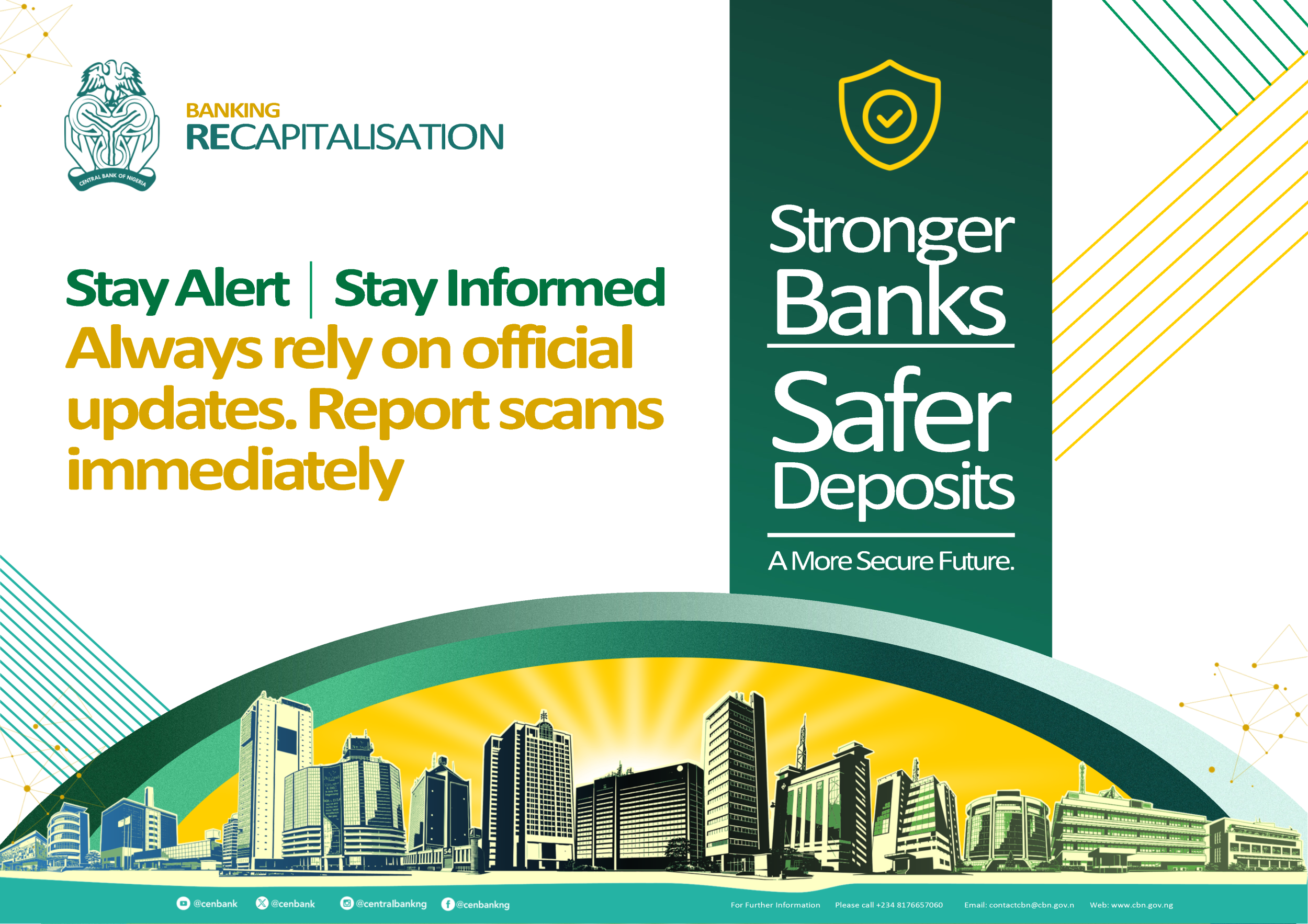
Senator Abubakar Bagudu, Minister of Budget and Economic Planning, unveiled the plan in Abuja alongside development partners and private‑sector stakeholders, and with Dr Karin Jansen, Head of International Cooperation at the German Embassy, in attendance.
The NZIP sets a pathway to achieve net‑zero greenhouse gas emissions by 2060 while embedding climate actions into national development planning.“We are here to emphasise that Nigeria is not reluctant to commit to initiatives that may affect the private sector, which seeks financing for various projects,” Bagudu said, acknowledging Germany, GIZ and KfW for their support.
He said recent engagements with German partners would help mobilise long‑term funding, noting commitments of €71 million in contributions and a €300 million credit guarantee to de‑risk investments.
Bagudu linked the plan to constitutional and strategic imperatives, reminding stakeholders that “Section 20 mandates the state to protect and improve the environment,” and that environmental management is an integral part of Nigeria’s Agenda 2050.
He added that lessons from past environmental damage, such as in Ogoniland, informed the country’s strengthened regulatory frameworks and adoption of technology to support sustainable resource use.
Highlighting concrete areas for scaling climate‑smart solutions, the minister pointed to solar‑powered agricultural pumps and modernised farming practices that aim to balance profitability with environmental stewardship. “Some of our budget reforms are deliberately aimed at de‑risking investments to ensure competitiveness,” he said, framing the NZIP as a tool to enable private capital while protecting economic growth.
The government tied the NZIP to its broader ambition of building a $1 trillion economy that is inclusive and environmentally responsible. “Partnerships with GIZ, KfW, and experts make this achievable,” Bagudu said, urging coordinated action across sectors.
Dr Karin Jansen described the NZIP as a nationally driven initiative and pledged continued German support. “This investment plan is, above all, a Nigerian initiative, and Germany is proud to support it through funding and technical cooperation under the International Climate Initiative,” she said.
Jansen stressed that the plan must translate into bankable projects: “The true value of the NZIP will lie in its implementation, which translates planning into bankable projects, investments, and measurable impact for citizens and communities.”
Dr Iniobong Abiola‑Awe, Director of the Department of Climate Change at the Ministry of Environment, said the NZIP integrates climate investments into national planning and targets high‑emission sectors such as power, agriculture, waste management, transport, industry and domestic energy. She noted the plan’s emphasis on inclusion: it prioritises women, youth and small businesses to ensure equitable participation in the green economy.
Analysts say the NZIP could help bridge Nigeria’s climate finance gap if implementation focuses on project preparation, guarantees and incentives that reduce investor risk. The plan’s combination of public policy alignment, international guarantees and targeted sector interventions aims to signal to global investors that Nigeria is serious about a just energy transition and climate‑compatible growth.
With German funding commitments and private‑sector engagement at the launch, the NZIP establishes a framework to convert Nigeria’s climate targets into tangible investments and jobs — but success will depend on swift project development and clear, measurable outcomes.