

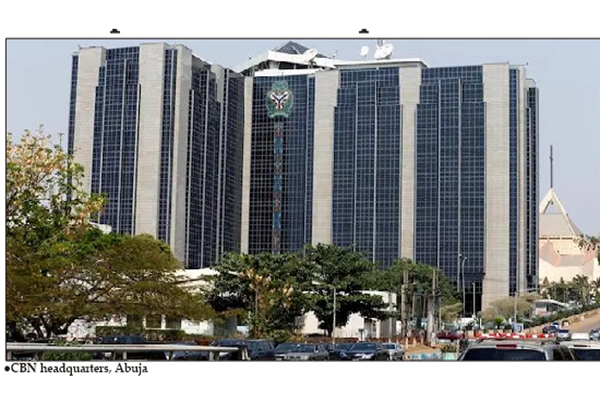
CBN Warns Banks over New Risks as Non-Interest Finance Grows
By Patience Ikpeme
The Central Bank of Nigeria (CBN) has sent out a strong warning to banks and other financial houses offering non-interest services, telling them to be extra careful as the industry expands.
The apex bank noted that as these banks get bigger and more connected to each other, they are facing new types of dangers that could hurt the entire financial system if not handled properly.
The Deputy Governor of Financial System Stability at the CBN, Mr. Philip Ikeazor, delivered this message on Monday during a special meeting in Abuja. The event brought together top experts who advise the CBN on religious financial laws and the internal advisors of various non-interest banks across the country.
According to the CBN, the biggest worries right now include banks not following the rules, problems with how the banks are led, and new risks coming from the use of technology in banking. The bank made it clear that if these issues are not fixed, people might lose trust in the non-interest banking system, which could affect the stability of Nigeria’s money market.
“The goals of today’s meeting include making sure there is a strong and effective system for following Shariah rules within these banks. We also want to provide a place where people can talk, share what they know, and work together,” Mr. Ikeazor said through a representative, Dr. Rita Ijeoma Sike.
He explained that the CBN created special advisory councils to make sure all these banks follow the same high standards. He mentioned that these banks are very important to Nigeria because they provide ethical ways for people to save and borrow money, especially for small business owners who do not want to use regular banks.
The Deputy Chairman of the CBN’s expert council, Prof. Bashir Aliyu Umar, thanked the bank management for bringing back this meeting, which first started in 2014. He said the talk is necessary to make the sector stronger and ensure that experts and the CBN are on the same page.
During the meeting, Dr. Rita Sike also pointed out that because many new companies are now using apps and the internet to provide Islamic financial services, there is a greater need for the CBN to watch things closely. She said that as more products enter the market, the advice from scholars and experts becomes even more important.
Experts at the event discussed several topics, including how failing to follow religious financial rules can hurt a bank’s reputation and how technology can help more Nigerians have access to bank accounts. Many participants talked about the challenges they face on the job and how they can stay independent while making sure their banks do the right thing.
Prof. Abdul-Razzaq Alaro, a member of the expert council, told everyone at the end of the meeting that the real success of the talk will be seen in how much the banks improve their services. He asked everyone involved to take the lessons learned back to their offices and start making changes immediately to protect the money of ordinary Nigerians.
The advisory councils serve as a bridge between regular banking laws and the special rules that guide non-interest finance. Their job is to make sure that these banks are legal, ethical, and safe for everyone who chooses to put their money there.