

West African Nations Urged to Speed Up VAT Digitalization
By Patience Ikpeme
The West African Tax Administration Forum (WATAF) has called for an urgent transition to digital Value Added Tax (VAT) systems across the region, citing current systemic inefficiencies as a major hurdle to revenue mobilization and economic stability.
The appeal came during a high-level regional forum held on April 21, 2026, at the African Development Bank (AfDB) headquarters in Abidjan. The event drew together tax administrators, policymakers, and development partners to evaluate the future of VAT administration across the continent.
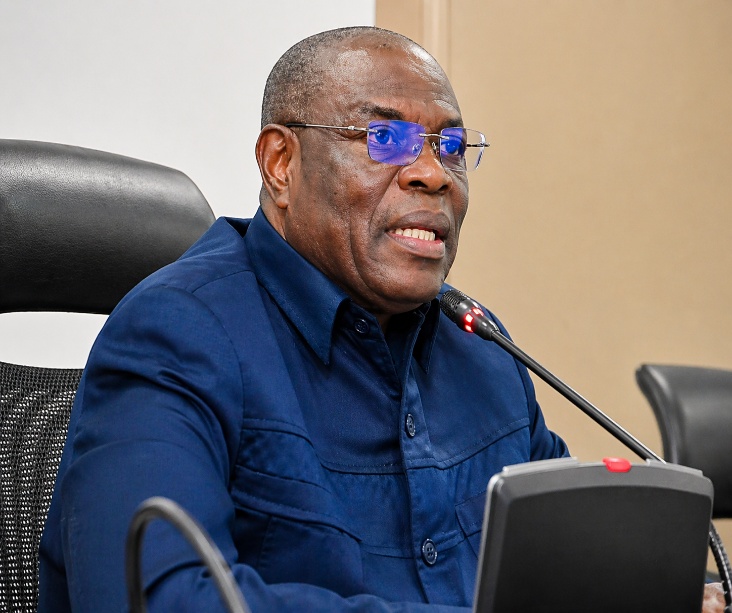
Addressing a panel titled “VAT Digitalization: Pathways, Challenges and Opportunities,” Mr. Jules Tapsoba, Executive Secretary of WATAF, described the shift to digital tools as a vital move for modernizing tax systems.
“Digitalization is the single most transformative lever for improving VAT performance across West Africa,” Mr. Tapsoba stated. “Without it, we will continue to face leakages, inefficiencies, and limited compliance.”
While VAT is a primary source of domestic income for many West African states, its potential is often stifled by a large informal sector, weak digital infrastructure, and a lack of synergy between customs and domestic tax offices. These gaps frequently lead to fraudulent claims, delays in business reimbursements, and a general squeeze on market liquidity.
Mr. Tapsoba pointed to successful pilot programs involving online registration and electronic invoicing but noted that these efforts require a more unified approach. He urged member states to meet the January 2027 deadline for domesticating the ECOWAS Directive on VAT harmonization, which was adopted in July 2023.
“Harmonization, combined with digitalization, will be essential for facilitating a common market, ensuring fair competition, and strengthening regional economic integration,” he added.
Ms. Eline Okudzeto, Chief Governance Officer at the African Development Bank, drew parallels with East Africa’s experience, noting that while progress is evident, cross-border cooperation remains a hurdle. She noted that the AfDB is committed to supporting regional dialogue and technical training to bridge these gaps.
Other key figures at the summit, including Mr. Emeka Nwankwo of the African Tax Administration Forum (ATAF) and Mr. Abou Ouattara Sié, Director General of Taxes for Côte d’Ivoire, shared perspectives on the fiscal necessity of these reforms. They joined Mr. Darlingston Yahkor Talery of ECOWAS in advocating for stronger domestic tax frameworks to replace the region’s traditional reliance on border taxes.
To ensure the success of this transition, WATAF recommended a suite of modernization efforts, including automated audit mechanisms, improved customs valuation, and the creation of regional data systems.
The forum concluded with a call for governments and development partners to move beyond policy discussions and begin the active implementation of these digital tools.