
Reform Agenda Growing Reserves and Investor Confidence-FG
By Patience Ikpeme
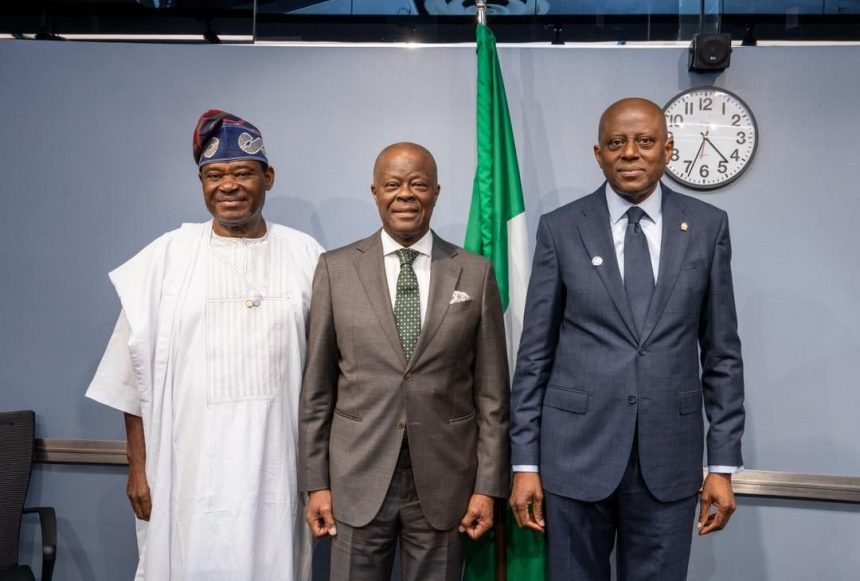
Nigeria’s economic reform agenda is successfully steering the nation away from a cycle of financial vulnerability toward a framework defined by stability and sustainable growth, according to the Minister of Finance and Coordinating Minister of the Economy, Wale Edun.
Speaking at a press briefing during the ongoing Spring Meetings of the World Bank and the International Monetary Fund (IMF), the Minister stated that the policy measures introduced since mid-2023 were crafted as permanent structural changes rather than temporary fixes. These shifts are intended to remain self-sustaining while fortifying the domestic economy against volatile external shocks.
In a statement released on Monday by the Head of Information and Public Relations Unit, Mrs. Efe Ovuakporie, the Minister noted that the global climate remains characterized by high levels of uncertainty. He pointed to export tensions, trade disruptions, and tightening financial conditions as significant factors weighing on global economies. Within this challenging environment, Edun maintained that Nigeria’s strategy relies on credible and disciplined macroeconomic management to foster long-term prosperity.
“The move to a market-reflective foreign exchange system and the deregulation of fuel pricing are beginning to restore balance and reduce long-standing distortions in the economy,” Edun said. He observed that these specific reforms have already enhanced the country’s capacity to manage pressures originating from beyond its borders.
Addressing the issue of inflation, the Minister acknowledged that price pressures persist, primarily fueled by energy costs, food prices, and logistical hurdles. He explained that the government is countering these effects through targeted social protection initiatives and agricultural interventions designed to protect the most vulnerable citizens.
“Fiscal discipline remains central to the reform effort, with a clear departure from inefficient subsidy regimes and a renewed focus on prudent resource management,” Edun remarked. He shared updated economic indicators showing that growth has surpassed four percent, while external reserves have climbed to approximately $50 billion. He also noted that inflation is showing signs of a gradual ease and public debt remains within sustainable boundaries.
The Minister suggested that the impact of these reforms extends beyond statistics, as they are actively unlocking domestic production and reviving private sector confidence. He identified the Dangote Refinery as a primary example of this renewed investor interest and noted that small and medium enterprises are seeing improved incentives.
According to Edun, Nigeria is transitioning from a period of stabilization into a phase of accelerated growth. He identified power, agriculture, infrastructure, and digital innovation as the primary engines for this future expansion. He also informed the briefing that international development partners have expressed their support for Nigeria’s priorities, while interest from global investors continues to rise in the agribusiness and energy sectors.
Furthermore, the Minister stated that Nigeria is advocating for global financial reforms to lower the cost of capital for developing nations, which he described as a major hurdle to growth. He expressed firm confidence that the country’s international standing is rising as its policy efforts gain global recognition.
In a similar vein, the Governor of the Central Bank of Nigeria, Olayemi Cardoso, affirmed the country’s dedication to maintaining the current momentum of reforms. He noted that the Washington meetings provided a vital platform to review progress and strengthen the institutional capacity required for long-term resilience.
Cardoso pointed out that despite geopolitical tensions, Nigeria has successfully contained external shocks through improved exchange rate stability and more robust reserves. “Consistency in reform implementation is critical to building long-term investor confidence,” the Governor said.
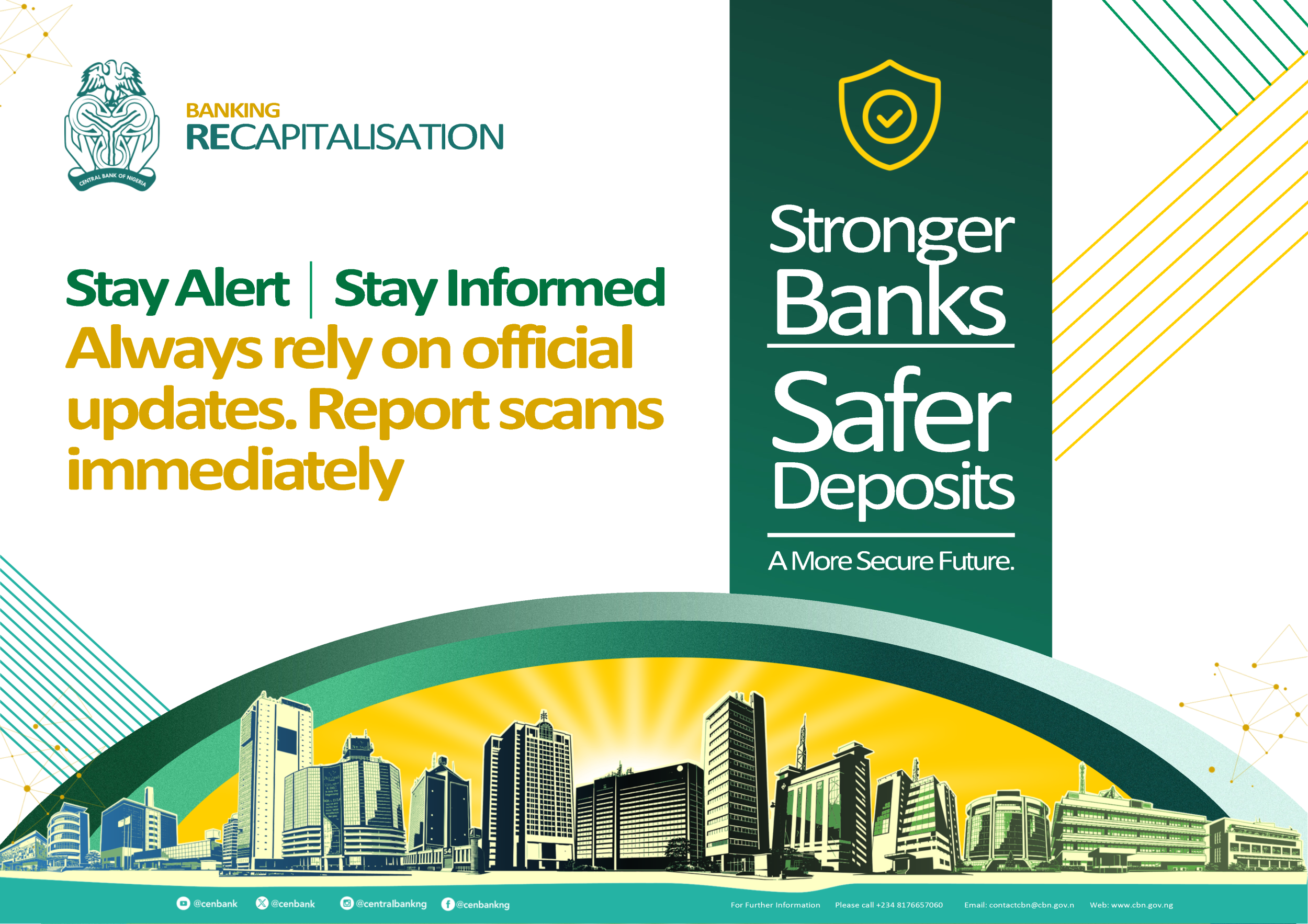
Providing updates on the financial sector, Cardoso stated that the banking sector recapitalization exercise has successfully mobilized 4.65 trillion naira in new capital.
By the March 31 deadline, 33 banks had met the updated requirements, a move he said has significantly bolstered the resilience of the financial system. He concluded by noting that the high level of participation from both local and international investors reflects a deep and sustained trust in the Nigerian banking industry.