
Oyedele Warns Illicit Financial Flows Threaten African Sovereignty
By Patience Ikpeme
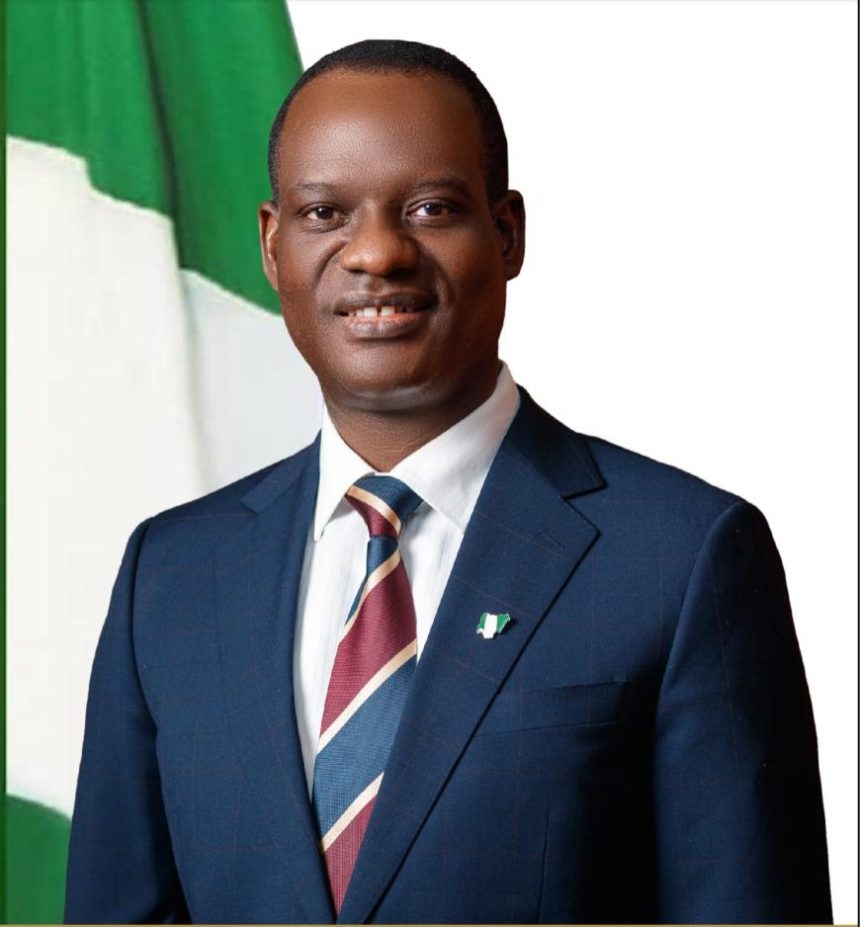
The Minister of State for Finance, Mr. Taiwo Oyedele, has identified illicit financial flows as one of the primary threats to the fiscal sovereignty of the African continent.
Speaking in Abuja at the conclusion of the 5th African Union Special Technical Committee and Sub-Committee on Tax and Illicit Financial Flows, the Minister framed the loss of capital as a direct hit to the social and economic infrastructure of African nations.
According to Mr. Oyedele, the drain on resources has tangible consequences for the continent’s citizens. He stated that “Every naira, every shilling, every rand, every dollar lost to illicit financial flow is a school not built, it’s a hospital not equipped, and it’s job not created.”
He further noted that the problem extends beyond simple tax evasion, describing it instead as “a governance and development issue.”
To combat these leakages, the Minister called for a comprehensive overhaul of transparency systems across the continent. He told gathered African governments and institutions that they must strengthen beneficial ownership registers and improve cross-border cooperation. He also pointed to the effective use of data and the need for credible, consistent enforcement as essential tools for change.
Addressing the complexities of the modern global economy, Mr. Oyedele insisted that African countries should begin taxing value exactly where it is created. He argued that the continent must move away from being a passive participant in the digital economy and instead assert its taxing rights.
This transition, he explained, requires building capacity for digital tax administration and engaging more strategically in global negotiations.
The Minister suggested that the current discussions at the United Nations and other international platforms represent a rare opportunity that African nations cannot afford to waste. He stated that coordination is no longer optional because fragmentation is actively costing the continent. He said that whether it involves tax policy, incentives, treaty negotiation, or enforcement, there must be a move toward greater coordination and harmonization.
A central pillar of this strategy, according to the Minister, is the African Continental Free Trade Area (AfCTFA). He explained that the trade agreement offers a chance to align fiscal systems with trade ambitions, noting that “integration without coordination will not deliver results.”
Mr. Oyedele set out three specific priorities for African nations to execute: the strengthening of domestic systems through investment in tax administration and digitisation; the deepening of collaboration across institutions and regions; and a firm commitment to reform. He acknowledged that while these reforms would be difficult, they are necessary, stating that “reform is not optional. It is the seed for progress. If you don’t plant it, it will be hard for progress to come.”
The three-day session concluded with an appeal for continental unity. Reflecting on a popular African proverb, the Minister said that while going alone might allow for speed, going together is the only way to go far. He concluded that Africa’s future will be defined by the decisiveness of its response to these challenges.
In his final remarks, he tied the success of tax systems directly to the continent’s independence. He stated that “Fiscal strength is not just about revenue; it’s about sovereignty, stability, and sustainable development. If we get our tax systems right, if we close the leakages, if we mobilize resources optimally, and then spend wisely, then we will not only build the Africa we want, we will secure the Africa that we truly deserve.”