

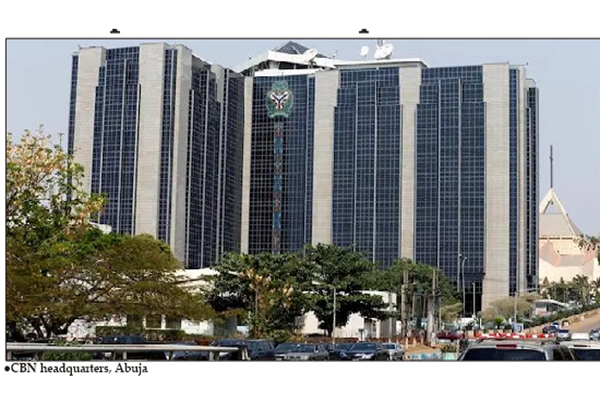
CBN Sets New Rules for Dollar Sales to BDC Operators
By Patience Ikpeme
The Central Bank of Nigeria (CBN) has given the go-ahead for licensed Bureau De Change (BDC) operators to start buying up to $150,000 every week.
This new directive is part of the government’s plan to make sure there is enough foreign currency for ordinary Nigerians who need dollars for their personal and business use.
Under this new arrangement, any BDC that has a valid license from the CBN can now go to a bank of their choice to buy dollars at the current market price. This move is meant to make it easier for people to find dollars to buy for things like travel, school fees, or medical bills without having to go through too much stress.
A circular signed by the Director of the Trade and Exchange Department, Dr. Musa Nakorji, explained that the goal is to make the market work better and ensure that dollars reach every part of the economy.
However, the CBN has put strict rules in place to make sure the process is not abused. Banks have been told they must carefully check the identity and background of any BDC before selling dollars to them. This is to ensure that everything is done legally and according to the rules.
To keep things transparent, all BDCs must report exactly how they used the dollars they bought. They are also required to sell any dollars they have left back to the market within 24 hours. The CBN is very clear on this: BDCs are not allowed to keep the dollars they bought from the official market just to wait for the price to go up.
The new rules also state that most of the business must be done through bank accounts. Paying with cash is restricted, as the CBN now says that only 25 per cent of any transaction can be done with physical cash. The rest must be handled through official bank transfers.
In a statement released on Tuesday, the CBN noted that these steps are designed to keep the financial system safe while making sure there is enough money in the market.
“Overall, the directive reflects the CBN’s broader strategy to balance market access with strong regulatory oversight, ensuring liquidity in the foreign exchange market while safeguarding financial system integrity,” the statement said.