
Corporate Nigeria Mobilizes ₦753bn via Commercial Papers
By Patience Ikpeme
The Nigerian capital market has emerged as a powerhouse for short-term liquidity by mobilizing over ₦753 billion through commercial paper issuances between April and October 2025.
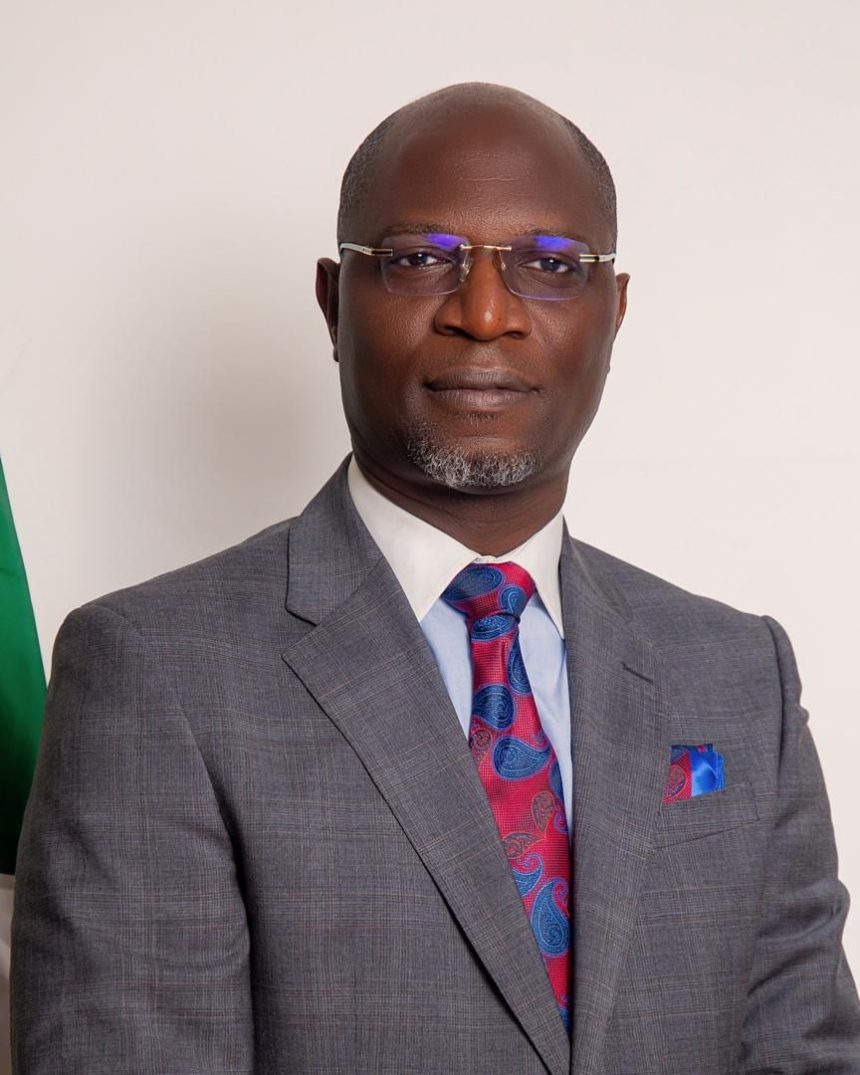
The Director General of the Securities and Exchange Commission (SEC), Dr. Emomotimi Agama, revealed these figures on Sunday, describing the surge as a testament to the robust investor appetite and the structural strength of the nation’s market architecture.
Commercial papers—essentially short-term, unsecured promissory notes used by large corporations to borrow money quickly—have become a preferred alternative to traditional bank loans. Typically maturing within a few months to a year, these instruments provided a vital lifeline for sectors ranging from manufacturing and energy to agriculture during the seven-month review period.
“Commercial paper issuance remained vibrant, with over ₦753 billion raised to support short-term funding needs across diverse sectors,” Dr. Agama stated. He was quick to point out that these results are far more than mere statistics. “These figures represent confidence in our regulatory framework and the resilience of our market architecture.”
Beyond short-term debt, the market witnessed significant milestones in sustainable and long-term investment. Dr. Agama pointed to landmark transactions such as the ₦500 billion Climate Funding Special Purpose Vehicle and the ₦200 billion Elektron Finance bond issuance. These projects reflect a growing hunger for infrastructure and sustainable finance, as Nigeria seeks to address its energy and development gaps through private capital.
Dr. Agama noted that the market has shown “remarkable depth and adaptability,” demonstrating its capacity to mobilize capital for growth even amidst fluctuating economic cycles. “These achievements are essential as we work to position the Nigerian capital market as a catalyst for sustainable economic growth,” he said.
The SEC boss also linked the market’s buoyancy to broader macroeconomic wins, specifically Nigeria’s sovereign credit rating upgrade and its official removal from the Financial Action Task Force (FATF) grey list.
“These achievements are not mere milestones; they signal renewed confidence in our economy,” Dr. Agama observed. He explained that such signals will attract greater investment and enhance capital inflows, reinforcing the stability and prospects of the financial markets.
Despite the general optimism, the market did not escape turbulence. Dr. Agama acknowledged a sharp downturn in November, where the Nigerian Exchange lost approximately ₦6.54 trillion in market capitalization. He linked this volatility to profit-taking ahead of a proposed 30% Capital Gains Tax, global uncertainties, and weak sentiment in banking stocks. However, he maintained that the underlying robustness remains, noting that the exchange stays significantly positive on a year-to-date basis.
One of the most significant reforms highlighted by the Director General is the migration of the equities settlement cycle from T+3 to T+2. This shift means that trades now clear in two business days rather than three, aligning Nigeria with international best practices.
“By shortening the settlement period, we have enhanced liquidity, reduced counterparty risk, and accelerated the reinvestment of capital,” Agama explained. He revealed even more ambitious plans for the future, stating the SEC’s intent to move toward T+1 and eventually T+0 (real-time) settlement.
As inflation shows signs of easing, Dr. Agama urged market operators to seize the moment for innovation. He moved the conversation from policy planning to active execution, warning that “the time for passive observation is over.”
“Innovation cannot remain on paper,” he stressed. “We must translate these frameworks into real products and accessible platforms that meet the needs of today’s investors. Our collective responsibility is to activate these opportunities and position the Nigerian capital market as a true engine of inclusive growth.”
The SEC’s vision is clear: by deepening commodity trading and expanding bond market participation, Nigeria is being groomed to become a premier investment destination across the African continent.