

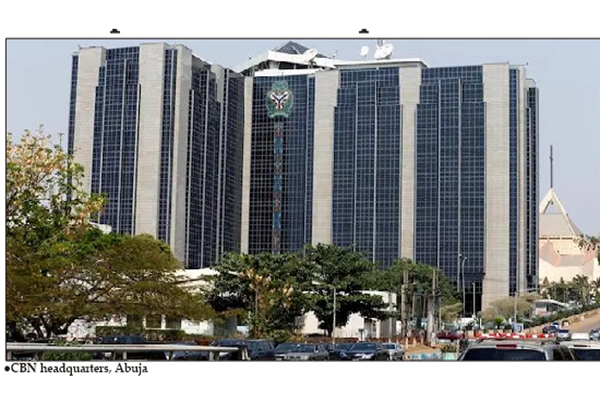
CBN Increases Interest Rate to Tackle Inflation
By Patience Ikpeme
The Central Bank of Nigeria (CBN) has raised the interest rate to 26.75 percent in its latest move to combat inflation and ensure a positive economic future for the country.
Despite concerns over rising food prices and persistent inflation, the CBN Governor, Olayemi Cardoso, expressed optimism about the overall direction of the economy.
During the July Monetary Policy Committee (MPC) meeting in Abuja on Tuesday, the MPC decided to tighten the Monetary Policy Rate (MPR) by increasing the interest rate by 50 basis points to 26.75 percent. This decision was made in response to rising inflation, particularly in food prices, which have been attributed to factors such as insecurity in food-producing areas, high transportation costs, and the activities of middlemen who hoard and export food products.
To address the challenges in the food supply chain, the CBN Governor expressed support for the federal government’s recent measures, including the introduction of a 150-day duty-free import window for certain food commodities. However, the CBN emphasized the need for a defined exit strategy to prevent a reversal of gains in domestic food production.
Cardoso also highlighted positive developments in the foreign exchange market, such as the narrowing spread between different segments and an increase in external reserves. The CBN urged continued efforts to improve foreign exchange inflows, particularly through diaspora remittances and increased domestic refining capacity.
Furthermore, the CBN emphasized the resilience of the banking system, noting improvements in key financial soundness indicators. The CBN called for continued monitoring of the system as the recapitalization exercise progresses.
Addressing concerns raised by manufacturers regarding rising interest rates, Cardoso stated that the CBN is engaging with the business community to explain the reasons behind the measures taken. The CBN governor acknowledged the challenges posed by high interest rates but stressed the importance of bringing inflation under control for the long-term stability of the economy.
Regarding the recent directive to warehouse dormant accounts with the CBN, Cardoso highlighted the need to protect account holders from fraudsters and stated that the policy is meant to ensure the safekeeping of funds. According to him, the central bank will manage the funds within its possession, and when the rightful owner surfaces, the money will be returned with any accrued income.
In conclusion, the CBN’s decision to increase the interest rate and implement measures to address inflation and food supply challenges reflects their commitment to achieving stability and sustained growth in Nigeria’s economy. The central bank remains optimistic about the future, highlighting positive developments in the foreign exchange market and the resilience of the banking system.