

FG Seeks Investment and Trading Relationships with G-24
By Patience Ikpeme

The Federal Government has called on member countries of the G-24 to invest in Nigeria and establish stronger trading relationships.
According to the government, this move is crucial for the country’s growth ambitions and will contribute to a stable and growing economy, thereby bringing stability to the foreign exchange market.
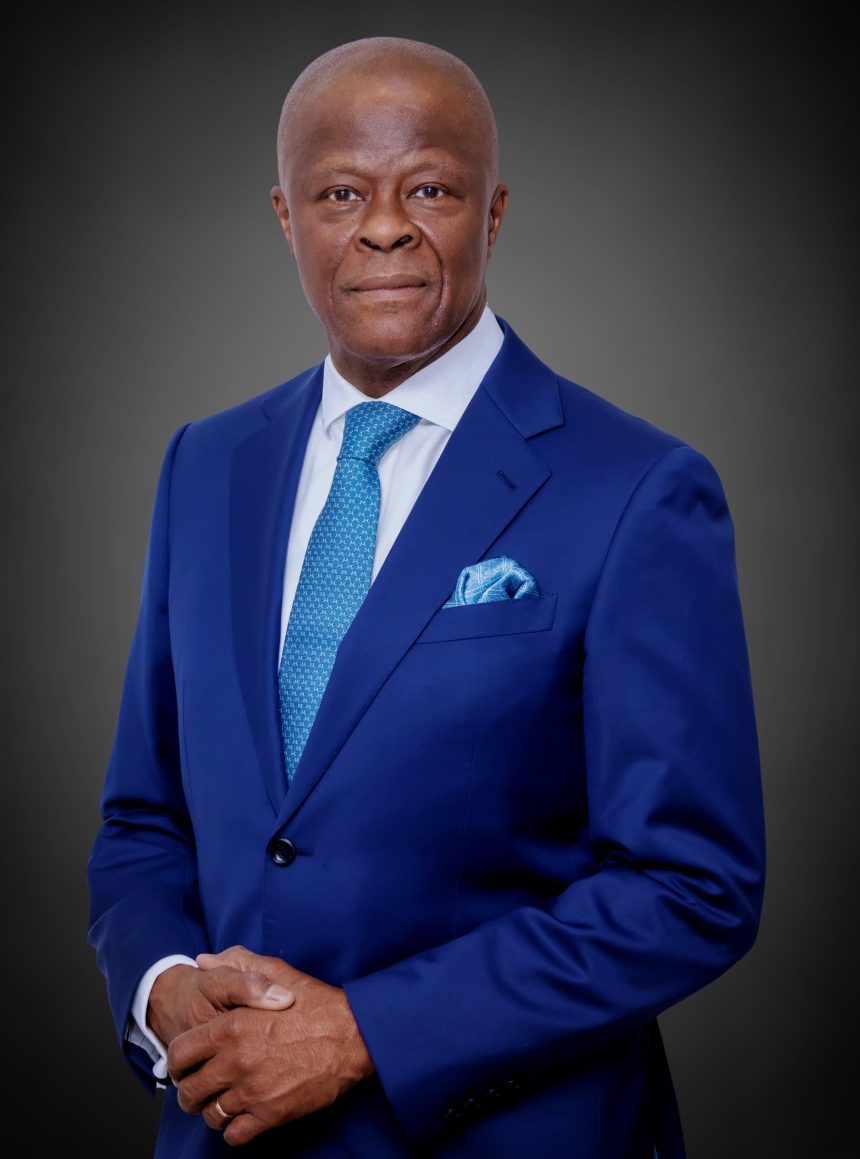
The Minister of Finance and Co-ordinating Minister of the Economy, Mr. Wale Edun, made this request at the ongoing World Bank-IMF Spring Meetings in Washington, D.C.
Represented by the Director General of the Budget Office of the Federation, Mr. Ben Akabueze, Mr Edun informed the G-24, a group of countries working together to coordinate the positions of developing countries on international monetary and financial issues, that Nigeria has already implemented various intervention programmes and potent policies that are yielding positive outcomes.
The minister highlighted the efforts of the President Bola Ahmed Tinubu-led Administration in repositioning the Nigerian economy, which has significantly reduced the gap between the parallel market exchange rates and the official Nigeria Foreign Exchange Market rates.
Furthermore, Mr Edun stated that Nigeria has positioned itself as an attractive investment destination in sectors such as manufacturing, agriculture, oil, and gas, among others.
He emphasized the abundance of arable land in Nigeria, second only to Brazil, which should make Nigeria a net exporter of food, not an importer.
During a Q&A session, a Russian journalist raised a question regarding cooperation between Nigeria and Russia.
Mr Edun pointed out that the last major Russian investment in Nigeria was the Ajaokuta Steel Company, which is currently inactive.
He also noted that the Nigerian government plans to prioritize meeting domestic demand before focusing on exports, citing the example of the Dangote Refinery, which aims to ensure local demands for petroleum products are met before considering export markets.
Mr Edun questioned the logic of Nigeria importing petroleum products from Europe when a refinery within the country can refine and export them.
According to him, “local refining will be encouraged until domestic demand is fully met, and then Nigeria can export products, thereby earning foreign exchange from such exports.
Regarding budget implementation, Edun stated that the capital component of the 2023 supplementary budget is still being implemented and will continue until June.
He emphasized the government’s determination to make an impact in various sectors. Additionally, he assured citizens that the 2024 budget is being implemented as planned and promised that it will bring positive outcomes for the nation.
The Nigerian Federal Government’s appeal for investment and increased trading relationships from the G-24 countries illustrates their commitment to fostering economic growth and stability in the country.
With ongoing efforts to reposition the economy and attract investments in key sectors, Nigeria aims to bridge the gap between parallel and official exchange rates, facilitate domestic demand, and ultimately become a net exporter of various products.


